 Bradenton
 Roof Repair Built for the Whitfield Estates Climate
Whitfield Estates sits in one of the more weather-exposed corners of Manatee County. Homes here deal with the same combination of stressors that wears down roofs all along this stretch of the Gulf Coast: intense year-round UV exposure, sudden hurricane-force wind events, wind-driven rain that finds its way under loose or aging materials, and salt-laden air that accelerates corrosion on metal fasteners, flashing, and vents. None of these show up as a single dramatic failure most of the time. They show up as a slow accumulation of small weak points — a lifted shingle tab here, a cracked pipe boot there, a flashing seam that's opened up a hair too wide. By the time a homeowner notices a stain on the ceiling, the roof has usually been letting water in for a while.
That's the case for repair over guesswork: a roof in this climate needs regular, honest inspection and prompt, correctly executed repairs, not a wait-and-see approach. Bradenton's humidity and heat cycles also mean that once water gets past the roofing layer, it doesn't just sit there — it feeds rot, mold, and insulation damage fast. Catching and fixing problems early is almost always cheaper and less disruptive than dealing with the interior damage that follows a delay.
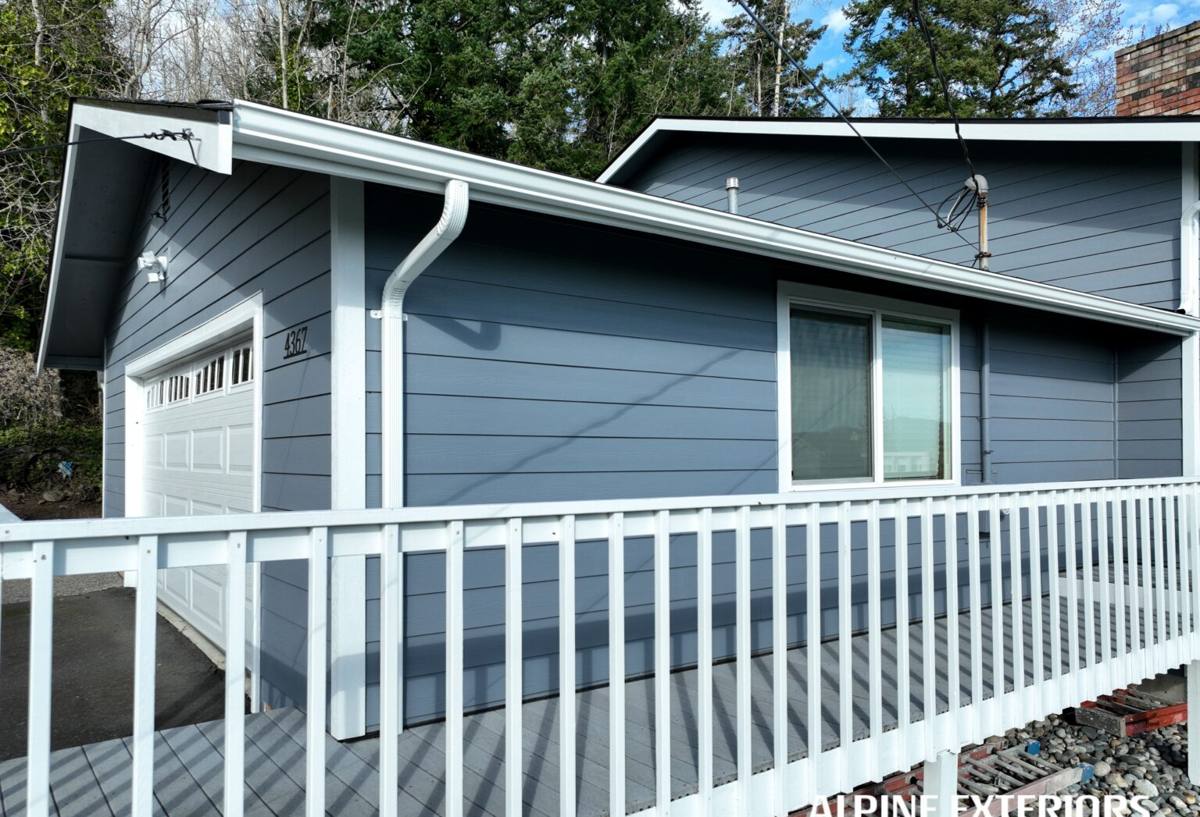
Signs a Whitfield Estates Roof Needs Attention
Some warning signs are obvious from the ground. Others require a closer look, especially after a windy or rainy stretch. Here's what we tell homeowners in this neighborhood to watch for between inspections:
- Shingles that look curled, cupped, or have lost visible granules (often shows as dark or bald patches)
- Any shingle tabs that are lifted, cracked, or missing outright after a storm
- Rust streaks or soft spots around metal flashing, vent boots, or valleys
- Ceiling stains, especially near chimneys, skylights, or where two roof planes meet
- Granules collecting in gutters or at the base of downspouts
- A musty smell in the attic, or visible daylight through the roof deck
- Sagging sections along the roofline, which usually points to deck or structural moisture damage
- Nail pops or fastener heads visibly backing out of shingles
Any one of these on its own might be minor. Several together, or anything paired with an interior stain, means it's time for a real inspection rather than a patch job guessed at from the driveway.
What a Correct Roof Repair Actually Involves
Finding the Real Source of the Leak
Water doesn't always drip straight down from where it enters. It can travel along the underside of the deck or along rafters before showing up on a ceiling several feet away. A repair that just patches the spot above the stain, without tracing the actual entry point, is a repair that fails again the next time it rains hard. Proper diagnosis means checking the roofing material, the underlayment, the flashing, and the penetrations (vents, pipes, chimneys) in the area — not just the surface.
Matching Materials, Not Just Covering the Hole
A patch that doesn't match the existing shingle profile, color, or exposure creates a new weak seam and often looks obviously mismatched. Where matching materials aren't available, we explain that trade-off up front rather than installing something that will stand out or behave differently in wind and rain than the surrounding roof.
Flashing and Penetrations Get the Same Attention as the Field
Most leaks in this climate trace back to flashing and penetration points, not open field shingle damage. Pipe boots dry out and crack under UV exposure faster than the shingles around them. Step flashing and counter-flashing at walls and chimneys can work loose from repeated wind flex. A repair that only replaces shingles and ignores the flashing underneath is treating the symptom, not the cause.
Sealants Are a Backup, Not the Fix
Caulk and roofing cement have their place, but they degrade in Florida sun faster than most other roofing materials. We use them where appropriate — as a secondary seal — not as a substitute for correct flashing, fastening, or shingle work. A roof that's been "fixed" mainly with tubes of sealant is usually a roof that needs a proper repair.
Common Repair Types We Handle in This Neighborhood
| Issue | Typical Cause Here | What the Fix Involves | Urgency |
|---|---|---|---|
| Wind-lifted or missing shingles | Gusts during storms or aging adhesive strips | Remove damaged shingles, replace with matched material, re-seal tabs | High — exposed deck invites water fast |
| Cracked pipe boots | UV breakdown of rubber/plastic collars | Replace boot, check surrounding shingles for secondary damage | Moderate to high |
| Flashing separation at walls/chimneys | Wind flex, thermal cycling, corrosion | Re-set or replace flashing, re-integrate with roofing layer | High |
| Granule loss / surface wear | Cumulative UV exposure over years | Assess remaining service life; spot-repair or plan replacement | Low to moderate, monitor closely |
| Soft or sagging deck sections | Prolonged undetected leak | Cut back to sound decking, replace plywood, then re-roof that section | High — structural concern |
| Valley leaks | Debris buildup or worn valley material | Clear debris, inspect and replace valley lining as needed | Moderate to high |
Our Repair Process
1. Inspection
We walk the roof (or use a camera on steeper or fragile roofs) and check the attic from the inside where accessible. We're looking for the actual source of the problem, not just the visible symptom.
2. Clear, Written Estimate
You get a plain-language explanation of what's wrong, what we recommend, and why — along with a written estimate before any work starts. If a section of the roof is beyond a reasonable repair, we'll say so honestly rather than patching something that needs replacing.
3. The Repair Itself
Work is done with matched materials where possible, proper flashing technique, and attention to the fasteners and sealants appropriate for coastal wind exposure — not the minimum that will pass a quick glance.
4. Cleanup and Documentation
We clear debris and old materials from the property, and walk you through what was done so you have a record for insurance or future reference.
Repair or Replace? What Actually Drives That Decision
Not every roof problem in Whitfield Estates calls for a full replacement, and not every one should be patched indefinitely either. The right call depends on a few honest factors:
| Factor | Leans Toward Repair | Leans Toward Replacement |
|---|---|---|
| Age of roofing material | Well within expected service life | At or past typical lifespan for the material |
| Extent of damage | Isolated to one area or a few penetrations | Spread across multiple sections or slopes |
| Deck condition | Solid, dry decking under the damaged area | Soft, delaminated, or repeatedly wet decking |
| Repair history | First or infrequent repair needed | Recurring leaks in different spots over time |
| Material availability | Matching material still obtainable | Discontinued profile/color, mismatch unavoidable |
We'll always tell you honestly which side of that line your roof falls on, even if the honest answer is a smaller job than you expected.
Why a Crew That Already Works This Neighborhood Matters
Whitfield Estates has a mix of home ages and roofing materials, and the housing stock reflects decades of Florida building practices layered on top of each other. A crew that regularly works in this part of Bradenton has a feel for how local roofs age — how mature tree canopy affects debris and moisture patterns, how older decking and fastening methods compare to current code, and what Manatee County permitting and inspection requirements apply to a given repair. That familiarity shortens the diagnostic phase and avoids the trial-and-error that comes with a crew unfamiliar with the area's typical construction.
It also means realistic scheduling. Roof repairs in coastal Florida often need to happen between weather windows — after a storm passes but before the next one, or during a dry stretch that won't hold forever. A local crew that knows the seasonal patterns here plans around that reality instead of promising timelines that don't account for it.
Maintenance That Extends the Life of a Repair
A good repair lasts longer with a little upkeep in between. For Whitfield Estates homes specifically, we recommend:
- Keeping gutters and valleys clear of leaves and debris from surrounding tree canopy
- A visual roof check after any significant wind event, not just after named storms
- Trimming back branches that overhang the roofline to reduce abrasion and debris buildup
- Having pipe boots and sealant points checked every couple of years, since they're often the first thing UV exposure breaks down
- Addressing small issues promptly rather than letting them accumulate through a full rainy season
None of this replaces a professional inspection, but it reduces how often you need one on an emergency basis.
If you're seeing any of the warning signs above, or just want an honest read on a roof's condition before the next storm season, we're glad to take a look. Fill out the form below for a free, no-pressure estimate — we'll tell you plainly what we find and what it would take to fix it right.