 Bradenton
 A roof is the single most important piece of weatherproofing on a Manatee County home, and it takes more abuse here than almost anywhere else in the country. Between hurricane-force wind events, relentless year-round UV exposure, wind-driven rain that finds every weak seam, and the slow corrosion of salt-laden air off the Gulf, a Bradenton roof is working overtime every single day it's in place. This guide walks through how to tell when repair isn't enough, what your material options really look like, what Manatee County expects from the permitting process, and how to think about cost without getting a number pulled out of thin air.
Signs You Need a Replacement, Not Another Repair
Every roof eventually crosses a line where patching becomes a losing game — you're spending real money to buy a few more months instead of putting that same money toward a system that will actually last. Knowing where that line is saves homeowners from either replacing too early or, worse, waiting until water has already done damage inside the house.
Age and cumulative wear
Most asphalt shingle roofs in this climate are realistically good for 15-20 years, sometimes less if the original installation skipped proper attic ventilation. Tile and metal roofs can outlast that significantly, but the underlayment beneath them doesn't — and underlayment failure is often the real reason an older tile roof starts leaking even though the tiles themselves look fine.
Physical signs worth acting on
- Granule loss showing up in gutters or at the base of downspouts
- Shingles that are curling, cupping, or visibly brittle
- Cracked, slipped, or missing tiles, especially after a storm
- Soft spots or sagging when walked on (a sign of deck damage)
- Daylight visible through the attic roof deck
- Recurring leaks in the same spot despite repeated patch jobs
- A rising number of small repair calls in a short span of time
How Bradenton's Climate Actually Attacks a Roof
It's easy to think of roof damage as something that only happens during a named storm, but the day-to-day climate here does most of the real work over time.
Wind
Manatee County sits in a region where sustained tropical-storm and hurricane-force winds are a realistic annual risk, not a rare event. Wind doesn't just rip off loose shingles — it gets under edges and ridge caps, lifting and flexing material with every gust until fasteners work loose and seals fail long before a storm ever arrives.
UV exposure
Florida's sun angle and year-round intensity break down asphalt oils and cook protective coatings faster than in northern states. This is why a shingle rated for 20 years up north often shows visible wear here well before that mark.
Wind-driven rain
Rain that comes in sideways during a squall line finds its way into laps, vents, and flashing details that would never leak in a straight downpour. Roofs here need underlayment and flashing detailing built for water moving horizontally, not just downhill.
Salt air
Being close to Sarasota Bay and the Gulf means airborne salt accelerates corrosion on exposed metal fasteners, flashing, and vents. Marine-grade or coated hardware isn't a luxury upgrade here — it's a practical requirement for anything installed within a few miles of the water.
Roofing Material Options for Bradenton Homes
There's no single "best" roofing material — the right choice depends on your home's structure, your budget, and how long you want to go before thinking about the roof again.
| Material | Typical Lifespan Here | Wind/Storm Performance | Maintenance | Notes for This Area |
|---|---|---|---|---|
| Architectural asphalt shingle | 15-20 years | Good when rated and installed for high wind, moderate otherwise | Low to moderate | Most common and most affordable; quality varies a lot by underlayment and fastening |
| Concrete or clay tile | 30-50 years | Very good for the tile itself; failures usually happen at underlayment or fastening | Moderate (periodic re-seal, underlayment replacement mid-life) | Heavier structural load; common on Florida-style homes |
| Standing seam metal | 40-plus years | Excellent when properly fastened; handles uplift well | Low | Higher upfront cost, strong long-term value, resists salt air well with proper coatings |
| TPO/flat or low-slope membrane | 15-25 years | Good, dependent on seam quality and attachment | Moderate | Used on additions, lanais, and low-slope sections rather than whole-home roofs |
Wind Mitigation, Building Code, and Why It Matters Here
Florida Building Code requirements
Roof replacements in Manatee County are governed by the Florida Building Code, which sets minimum standards for underlayment, fastening patterns, and — depending on your specific location and structure — wind uplift resistance. These aren't bureaucratic hoops; they exist because Florida learned the hard way what happens when roofs aren't engineered for the wind loads the state actually sees.
Wind mitigation inspections
A wind mitigation inspection documents features like roof shape, roof-to-wall connections, secondary water barrier, and opening protection. These features can significantly lower your windstorm insurance premium, and a full roof replacement is the natural time to upgrade the features that affect that inspection, since the roof deck is already exposed.
Secondary water barrier
Code in Florida generally requires a sealed secondary water barrier under the primary roof covering. This detail — taping or sealing the deck seams before underlayment goes down — is one of the biggest practical upgrades a replacement gives you over patch-and-repair, because it protects the house even if the outer roofing is compromised in a storm.
The Replacement Process, Step by Step
- Inspection and estimate — a contractor evaluates the existing roof, deck condition, and any storm or age-related damage.
- Material and system selection — choosing shingle, tile, or metal, plus underlayment and fastening specs suited to the home.
- Permitting — Manatee County requires a permit for roof replacement, and the job is inspected at key stages.
- Tear-off — removal of the old roofing down to the deck so the deck itself can be inspected and repaired if needed.
- Deck repair — replacing any rotted or damaged sheathing before new roofing goes down.
- Underlayment and secondary water barrier — the layer that does most of the real waterproofing work.
- Flashing detail work — around chimneys, vents, valleys, and walls, where the majority of leaks originate.
- Roofing installation — shingles, tile, or metal panels installed to code and manufacturer wind-rating specifications.
- Final inspection — county sign-off confirming the work meets code.
Insurance, Wind Mitigation Credits, and Roof Age
Homeowners insurance in Florida has become increasingly sensitive to roof age and roof shape, and some carriers now decline or heavily surcharge policies on roofs past a certain age regardless of condition. A documented replacement resets that clock and can also qualify the home for wind mitigation discounts if the new roof includes features like a sealed deck, hip roof geometry, or improved roof-to-wall connections. It's worth requesting the paperwork your contractor provides after the job — the permit, the wind mitigation inspection, and the manufacturer warranty registration — and forwarding it to your insurance agent, since credits generally aren't applied automatically.
What Actually Drives Roof Replacement Cost
Rather than quote a number that won't hold up across different homes, it's more useful to understand what actually moves the price up or down.
| Factor | Why It Matters |
|---|---|
| Roof material | Metal and tile cost more upfront than asphalt shingle but last longer per dollar over time |
| Roof pitch and complexity | Steep slopes, multiple valleys, and dormers add labor and safety requirements |
| Deck condition | Rotted sheathing found during tear-off adds material and labor that can't be known until the old roof is off |
| Square footage | Larger roof area is the most straightforward cost driver |
| Underlayment and secondary barrier upgrades | Better waterproofing detail costs more but pays back in insurance credits and fewer leaks |
| Permit and code requirements | Wind uplift ratings and inspections are non-negotiable and built into any legitimate quote |
If You're Also Considering Siding
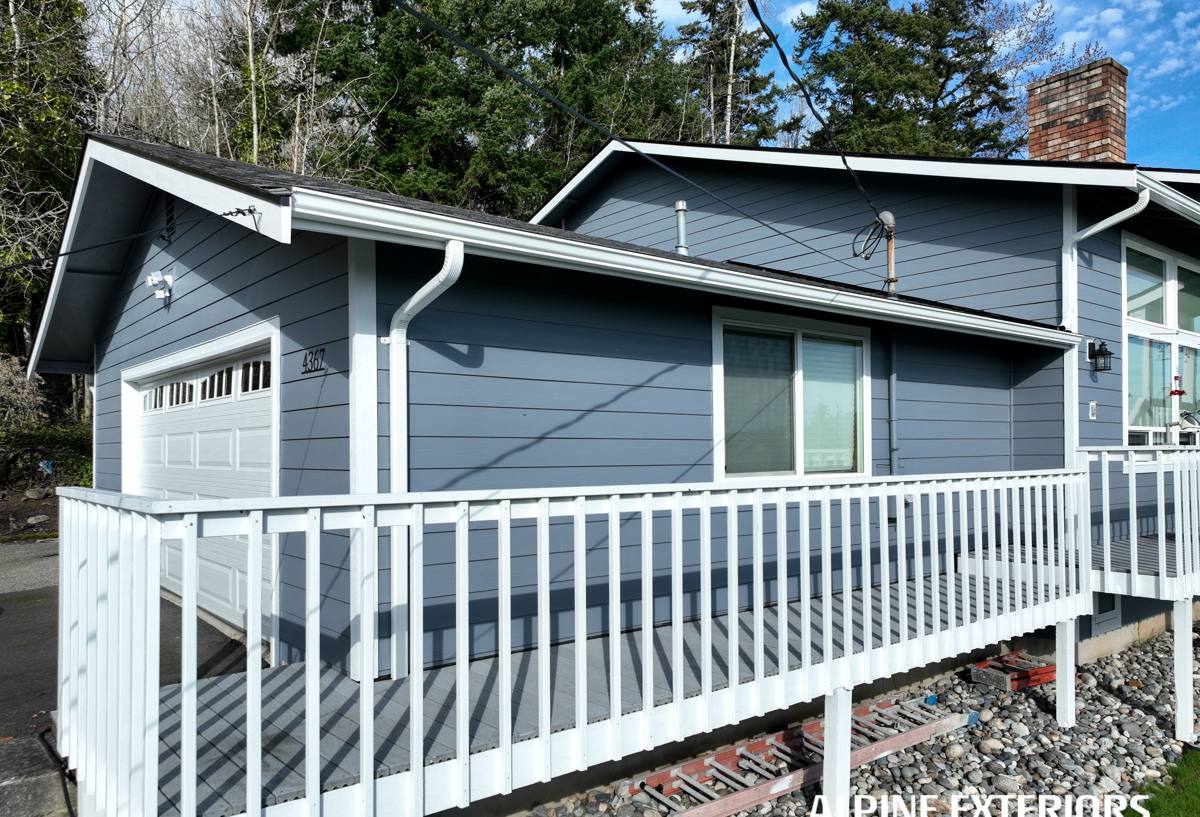
Roof replacement is sometimes the trigger for homeowners to take a harder look at their siding too, especially if both are original to the house and have absorbed the same years of Bradenton sun, wind, and salt air. When that conversation comes up, our recommendation is James Hardie fiber cement siding. It's non-combustible, holds its factory-baked ColorPlus finish far longer than field-painted materials in this UV load, and its HZ product lines are engineered specifically for high-heat, high-humidity climates like ours. We don't install vinyl, LP SmartSide, or other fiber cement alternatives — not because those products have no merit, but because after years of doing this work in this climate, Hardie is the system we're willing to stand behind with a strong transferable warranty.
Choosing a Roofing Contractor: What to Check
- Active Florida roofing license and general liability insurance, verifiable through the state
- Workers' compensation coverage for their crews
- Manufacturer certification for the specific roofing system being installed
- A written scope that specifies underlayment type, fastening pattern, and flashing details — not just "new roof"
- Clear language on who pulls the permit and schedules inspections
- A physical local presence, not just a phone number and a truck
- Willingness to put the wind mitigation and warranty paperwork in your hands after the job
If your roof is showing its age, took a hit in a recent storm, or you're simply trying to plan ahead before insurance renewal, we're happy to take a look and walk you through your options honestly. Reach out below for a free, no-pressure estimate — no obligation, no pressure, just a clear picture of where your roof actually stands.