 Bradenton
 Tara's Exterior Challenge: Sun, Wind, and Salt Air Every Single Day
Tara sits inland enough from Tampa Bay to feel a little removed from the coast, but make no mistake — this is still Manatee County, and the exterior of every home here answers to the same climate that beats up houses all along Florida's Gulf Coast. Intense, near-constant UV exposure bakes paint, siding, and roofing for most of the year. Afternoon storms roll in with wind-driven rain that finds every gap in flashing, trim, and siding laps. And even at a distance from open water, salt-laden air moves inland on sea breezes and slowly works on fasteners, hardware, and anything not built to shrug it off.
Then there's hurricane season. Tara doesn't need to take a direct hit for a storm to cause damage — sustained tropical-storm-force winds and gusts from a system passing well offshore are enough to lift shingles, peel back loose siding, and drive water behind trim that was never properly sealed. Homes here need an exterior system that's built for the whole picture: heat, humidity, wind, and water, all working on the house at once, year after year.
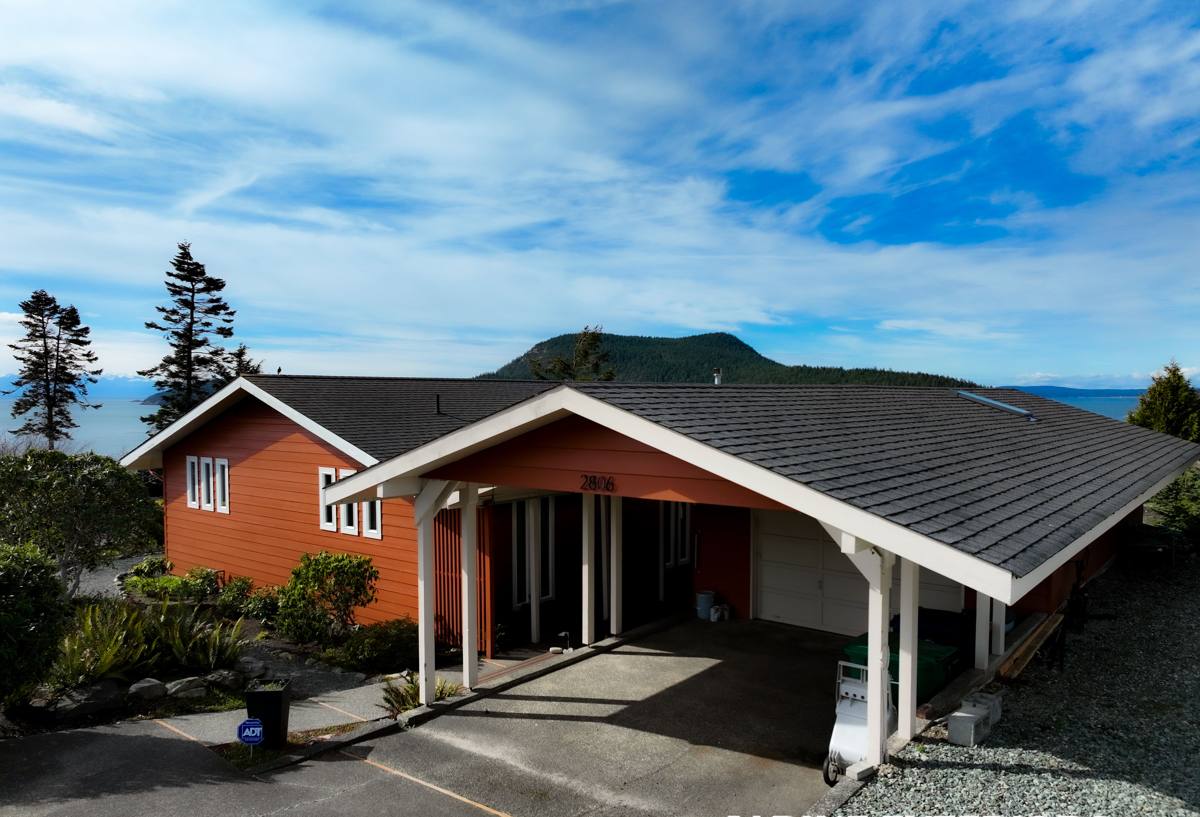
Siding in Tara: Why We Only Install James Hardie
Bradenton Exterior installs one siding product: James Hardie fiber cement. We don't offer vinyl, LP SmartSide, Cemplank, Allura, or primed wood siding as alternatives, and that's a deliberate choice, not an oversight. In a climate like Tara's, the material behind the paint matters as much as the color on top of it.
What we see with the alternatives
Vinyl siding is inexpensive and easy to install, but it's a petroleum-based product that softens and can warp under sustained direct sun, and it's rated for wind resistance well below what a hurricane-prone area like Manatee County can throw at a house. Wood-based products — including engineered wood siding like LP SmartSide — perform fine in drier climates, but Florida's humidity and heavy seasonal rain create constant moisture exposure at seams, edges, and fastener points, which is exactly where wood-based products are most vulnerable to swelling and deterioration over time. Other fiber cement brands, like Cemplank and Allura, are chemically similar to James Hardie, but we've standardized on Hardie specifically because of its factory-applied finish system, its Florida-specific product engineering, and the strength of its transferable warranty — details that matter over a 20- or 30-year ownership horizon, not just at installation.
What James Hardie does differently
James Hardie fiber cement is non-combustible, doesn't absorb water the way wood-based products do, and holds paint far longer than most alternatives because of its factory-cured ColorPlus finish, which is baked on under controlled conditions rather than field-painted. Hardie also makes climate-specific product lines — including HZ5 formulations engineered for high-humidity, high-moisture regions like ours — so the board itself is built for exactly the conditions Tara sees every summer. It won't rot, it resists pests that go after wood siding, and when it's installed correctly — proper clearances, correct fastening, sealed joints — it holds up to wind-driven rain far better than lap siding systems that rely on caulk and paint alone to stay watertight.
| Siding Material | Moisture Behavior | Wind/Impact Durability | Typical Maintenance |
|---|---|---|---|
| James Hardie fiber cement | Does not swell or rot; engineered for humid climates | High, when installed to spec | Occasional wash; repaint cycle measured in decades with ColorPlus |
| Vinyl | Doesn't absorb water, but can warp/deform in heat | Lower wind rating; can crack or blow off in storms | Low, but replacement (not repair) is common after damage |
| Wood / engineered wood | Vulnerable to swelling, rot at seams and edges | Moderate; depends heavily on sealing and upkeep | Regular repainting/resealing required |
| Other fiber cement (Cemplank, Allura) | Similar base material to Hardie | Comparable when installed correctly | Varies by finish system and warranty terms |
Roofing Built for Manatee County Weather
Your roof is the first line of defense against everything Tara's climate throws at a house — sun, wind, and heavy rain, often within the same afternoon. We install and repair roofing systems designed to hold up under Florida's building code requirements for wind uplift resistance, with attention to the details that actually determine how a roof performs in a storm: underlayment quality, proper nailing patterns, flashing at every penetration, and secure attachment at eaves and rakes, where wind uplift starts. A roof that looks fine from the ground can still have failing flashing or aging underlayment that lets water in during the next heavy rain event — which is why we inspect the whole system, not just the shingles, when we're on a roof in Tara.
Windows: Comfort, Efficiency, and Storm Readiness
Older windows in this part of Florida tend to fail in predictable ways: seals break down under UV exposure, frames age and let air and moisture through, and single-pane or outdated double-pane units struggle to keep cooling costs down through a Manatee County summer. We install replacement windows built for this climate — improved energy efficiency to ease the load on your air conditioning, and impact-resistant options for homeowners who want a permanent layer of storm protection instead of relying on shutters or plywood every time a system approaches the Gulf. New windows also tighten up a home's building envelope, which matters just as much for keeping humidity out as it does for keeping cool air in.
Decks That Hold Up to Florida Sun and Rain
An outdoor deck in Tara takes a beating from the same forces that wear down siding and roofing — direct UV exposure most of the year, sudden downpours, and humidity that never fully lets up. We build and repair decks with materials and construction details suited to that reality: proper fastening and structural support, attention to drainage so water doesn't pool against ledger boards or posts, and material choices that resist the fading, splintering, and moisture damage that shorten the life of a poorly built deck in this climate.
Why a Local Crew Matters in Tara
A crew that works Manatee County regularly knows things a large national outfit doesn't always account for: how the building department here reviews permits, what wind-load and impact standards apply to homes in this part of Florida, and how a house built in the 1990s in a Tara subdivision tends to differ from new construction when it comes to flashing details, sheathing, and existing damage that's easy to miss if you're not looking for it. We also don't disappear after installation — if a storm rolls through and you have a concern, you're calling a crew that's local, not a call center.
What to Expect When You Work With Us
- An on-site inspection and honest assessment of what your siding, roof, windows, or deck actually need — repair or full replacement.
- A clear, written estimate that explains material choices and scope, with no pressure to decide on the spot.
- Proper permitting where required, and installation done to manufacturer specifications and local code — not shortcuts that void a warranty.
- A final walkthrough so you know exactly what was done and what to expect going forward.
Cost Factors to Understand Before You Budget
Every home in Tara is different, so exact pricing depends on your specific project, but these are the factors that most influence cost across siding, roofing, window, and deck work:
| Factor | Why It Affects Cost |
|---|---|
| Scope: repair vs. full replacement | Full replacement costs more upfront but resets the clock on the whole system's lifespan |
| Existing damage or hidden moisture issues | Rot, compromised sheathing, or water intrusion found during tear-off adds repair work |
| Home size and roofline/wall complexity | More corners, penetrations, and stories mean more labor and material |
| Material and product line selected | Product tier (siding profile, window impact rating, decking material) changes material cost |
| Permitting and code requirements | Wind-load and impact standards in Manatee County can affect required materials and methods |
Signs Your Home's Exterior Needs a Closer Look
- Paint that's peeling, chalking, or fading unevenly on siding or trim
- Soft spots, warping, or visible gaps in existing siding, especially near ground level or window trim
- Missing, curling, or cracked shingles, or granules collecting in gutters
- Water stains on interior ceilings or walls after heavy rain
- Windows that feel drafty, fog between panes, or are difficult to open and close
- Deck boards that are soft, splintering, or show signs of movement at fasteners
- Rust streaks or corrosion on exterior hardware and fasteners
If any of this sounds like your home in Tara, or you'd just like an honest read on where things stand, we're happy to take a look. Reach out for a free, no-pressure estimate using the form below.