 Bradenton
 Working in Village of the Arts
Village of the Arts sits just west of downtown Bradenton, and it's one of the more distinctive pockets of Manatee County — a neighborhood of older Florida bungalows and cottage-style homes, many of them converted into working studios, galleries, and mixed live-work spaces. That character is part of what makes it special, and it also means the exteriors here carry a different kind of importance than a typical subdivision. A gallery front or studio facade isn't just protecting a house — it's part of how a business presents itself to the street. When siding is failing, paint is peeling, or a roof looks tired, it shows up in foot traffic and first impressions, not just utility bills.
We work throughout Bradenton and Manatee County, and Village of the Arts is a neighborhood we know well — the mix of home ages, the tight lots, the proximity to downtown, and the older building stock that often needs a more careful hand than new construction.
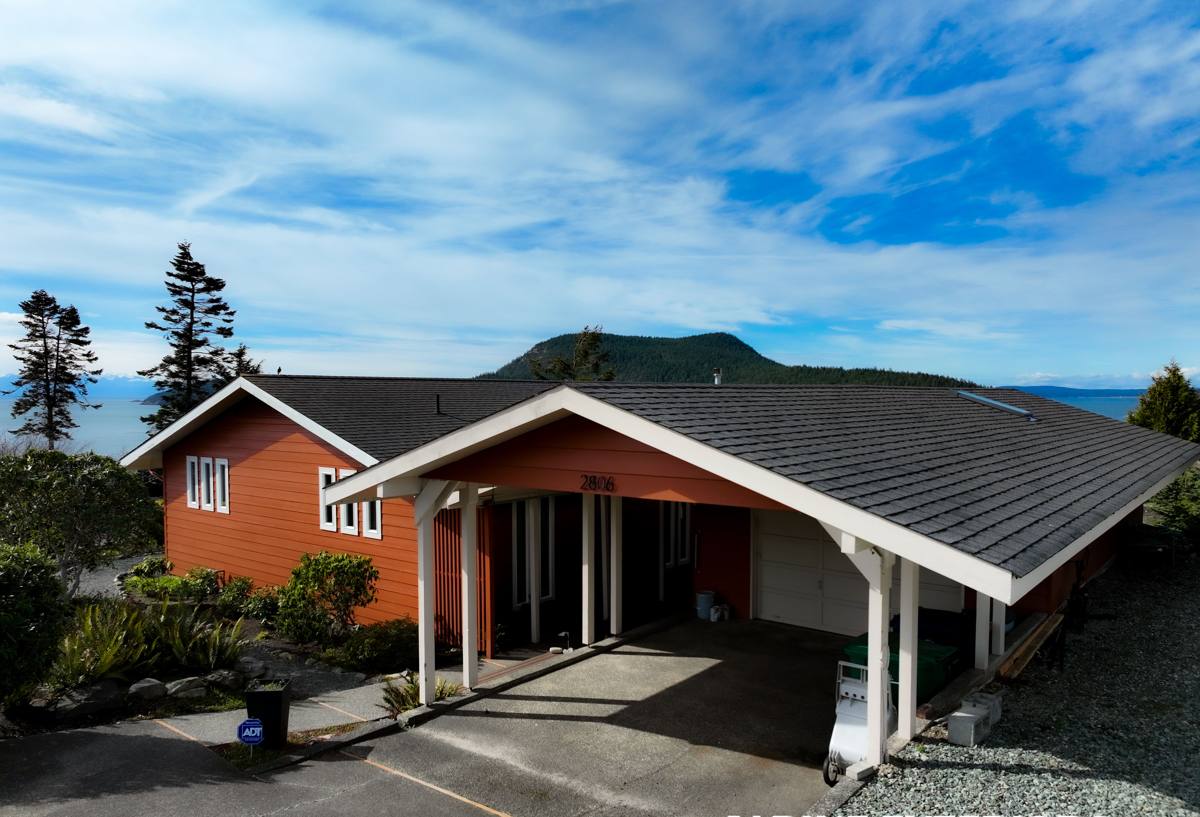
What the Climate Does to Homes Here
Bradenton's exterior conditions aren't gentle, and Village of the Arts isn't exempt from any of it. A few miles from Tampa Bay and well within reach of tropical systems, homes here deal with a combination of stressors that compound over time rather than acting alone.
Hurricane-Force Wind and Wind-Driven Rain
Manatee County sits in a wind-borne debris region, and every storm season brings the risk of sustained high winds paired with rain that doesn't fall straight down — it drives sideways into wall assemblies, soffits, and window frames. Older homes with original siding, aging trim, or windows that have shifted slightly in their frames are the ones most likely to let that water find a way in.
Intense, Year-Round UV
Florida sun doesn't take a season off. UV breaks down paint film, dries out caulking, and causes wood trim and lesser siding materials to fade, chalk, and crack well faster than manufacturers' literature usually suggests. On a bungalow with a lot of exposed trim and horizontal siding runs, that sun exposure adds up across every elevation, not just the south- and west-facing walls.
Salt Air
Even set back from the coast, Bradenton homes sit in a salt-influenced air corridor coming off Tampa Bay and the Gulf. Salt accelerates corrosion on fasteners, flashing, and any metal component on a roof or wall system, and it speeds up the breakdown of materials that aren't built to handle it.
None of these forces are dramatic on their own in a given week. The problem is they never stop, and on older homes with original or aging materials, the cumulative effect is what eventually shows up as buckled siding, soft trim, roof leaks, or windows that no longer seal.
Siding: Why We Only Install James Hardie
Siding is the exterior surface doing the most day-to-day work against sun, wind, and moisture, and it's also the one where material choice matters most in a climate like this. We install James Hardie fiber cement siding exclusively. We don't install vinyl, LP SmartSide, Cemplank, Allura, or primed wood siding, and that's a deliberate standard, not a limitation of what we're capable of installing.
Here's the reasoning, plainly:
- Vinyl can warp and deform in sustained high heat and is more vulnerable to wind uplift and impact damage in storm conditions — a real concern for a wind-borne debris county.
- Wood and wood-based products (including LP SmartSide) are engineered wood products that rely on their outer coating to resist moisture. In a climate with year-round humidity and wind-driven rain, any breach in that coating — a nail pop, a scratch, an unsealed cut edge — becomes an entry point for moisture and, eventually, rot.
- Other fiber cement brands (Cemplank, Allura) compete on the same basic chemistry as Hardie but generally don't offer the same depth of climate-specific engineering, factory finish warranty, or track record in Florida installations specifically.
James Hardie fiber cement is non-combustible, doesn't absorb moisture the way wood-based products do, and holds up to UV and salt exposure without the surface breakdown we see on lesser materials after a few Florida summers. Hardie's ColorPlus Technology bakes the finish on at the factory under controlled conditions, which gives a more consistent, fade-resistant color than field-applied paint — and it comes with its own finish warranty separate from the product warranty. Hardie also engineers regional product lines (HZ5 for our climate zone) specifically for high-humidity, storm-prone areas like ours, rather than selling one generic board nationwide.
We're not going to tell you Hardie is the cheapest option on the shelf, because it isn't always. What we will tell you is that on a Bradenton home — especially an older one in a neighborhood like Village of the Arts where the siding is also the face of a business or a long-term home — the material has to earn its keep for decades against wind, sun, and salt air, and Hardie is what we've seen do that job with the least callback and the fewest surprises.
Siding Material Comparison
| Material | Moisture Behavior | UV/Fade Resistance | Wind/Storm Durability | Our Position |
|---|---|---|---|---|
| James Hardie Fiber Cement | Doesn't absorb/swell like wood | Factory-baked ColorPlus finish resists fading | Engineered HZ5 line for high-wind regions | What we install |
| Vinyl | Doesn't rot, but seams can let water behind panel | Can fade and become brittle over time | Vulnerable to warping in heat, wind uplift | Not installed by us |
| LP SmartSide / Wood-based | Relies on coating; edge/cut exposure risks rot | Moderate; coating degrades with UV | Moderate; sensitive to sustained moisture | Not installed by us |
| Other Fiber Cement (Cemplank, Allura) | Similar base chemistry to Hardie | Varies by finish system | Comparable, less region-specific engineering | Not installed by us |
Roofing for Older and Mixed-Use Homes
A lot of the housing stock in Village of the Arts is older, which means roofs are often past their original service life or have been patched over the years rather than fully replaced. We inspect roofs for the things that matter most in this climate: flashing integrity around chimneys and roof-to-wall transitions, underlayment condition, and whether the roof deck itself has taken on moisture damage that won't be visible from the ground. Wind-driven rain finds the weak points in flashing and valleys long before it finds a weak point in the field of the roof itself, so that's where we look first.
For a converted studio or gallery space, roof leaks are especially costly — water damage doesn't just mean a repair bill, it can mean damaged inventory, artwork, or equipment. We treat roof inspections and repairs on these properties with that in mind.
Windows That Actually Seal Against Wind-Driven Rain
Older bungalow-style homes often still have original or early-replacement windows, and in a wind-borne debris region, that's worth a hard look. Frames shift slightly over decades, seals dry out under UV exposure, and what used to be watertight can now let wind-driven rain past the frame during a heavy storm. We evaluate whether existing windows are still doing their job or whether replacement makes sense, and where replacement is the right call, we install products rated for our wind zone with proper flashing and sealant detail — the installation quality matters as much as the window itself.
Decks Built for Sun, Salt, and Humidity
Outdoor living space matters in this neighborhood, whether it's a small deck off a converted cottage or a patio space used for studio events. Deck materials in a Bradenton climate face constant UV exposure, humidity that never fully lets up, and occasional wind-driven rain that gets underneath boards and framing if drainage isn't handled right. We build and repair decks with attention to ledger board flashing, proper fastener selection for a salt-influenced air corridor, and material choices that hold up rather than needing yearly upkeep just to look presentable.
Why a Local Crew Matters Here
Village of the Arts has narrow lots, mature landscaping, on-street parking constraints, and a mix of residential and small-business use that a crew unfamiliar with the neighborhood can trip over — literally and in terms of project logistics. A local crew that works Manatee County regularly knows how to stage a job here without disrupting a working studio or gallery, understands the age and construction of these homes, and isn't learning Bradenton's wind and moisture demands for the first time on your project.
Local also means accountability. If a flashing detail needs a second look six months after a storm, we're not a name you found in a national directory — we're down the road.
Signs Your Exterior Needs a Look
- Siding that's buckled, cracked, or shows soft spots when pressed
- Paint that's chalking, peeling, or fading unevenly across walls
- Water stains on interior ceilings near roof valleys or chimneys
- Windows that feel drafty or show condensation between panes
- Deck boards that are cupping, graying unevenly, or feel spongy underfoot
- Visible rust streaking from fasteners or flashing
What a Project Looks Like
We start with an on-site assessment — walking the exterior, checking for moisture intrusion points, and being straight with you about what's cosmetic versus what's structural. From there we scope the work, whether that's a full siding replacement, a roof repair, window replacement, or deck work, and give you a clear plan before anything starts. For older homes in a neighborhood like Village of the Arts, we pay particular attention to what's underneath the existing material — old siding or roofing can hide moisture damage that needs to be addressed before new material goes on, not after.
If your home or studio in Village of the Arts is due for an exterior refresh, or you're just not sure whether what you're looking at is a maintenance issue or something bigger, we're glad to take a look. Reach out for a free, no-pressure estimate using the form below.