 Bradenton
 Exterior Work Built for Braden River Homes
Braden River sits along one of Manatee County's defining waterways, and homes in this part of Bradenton live with a specific mix of conditions: high humidity, dense tree canopy in many of the older established neighborhoods, proximity to brackish water, and the same hurricane exposure that every property in this stretch of the Gulf Coast has to plan around. Whether your street backs up to the river itself or sits a mile or two inland in one of the newer subdivisions that have filled in around it, your exterior is doing a job every single day, and that job gets harder here than it does in a lot of the country.
Bradenton Exterior works this area regularly, and we've built our approach around what actually holds up under Manatee County conditions rather than what looks good on a spec sheet in a cooler, drier climate. That means specific product choices, specific installation details, and a crew that already understands the local permitting and inspection process instead of learning it on your project.
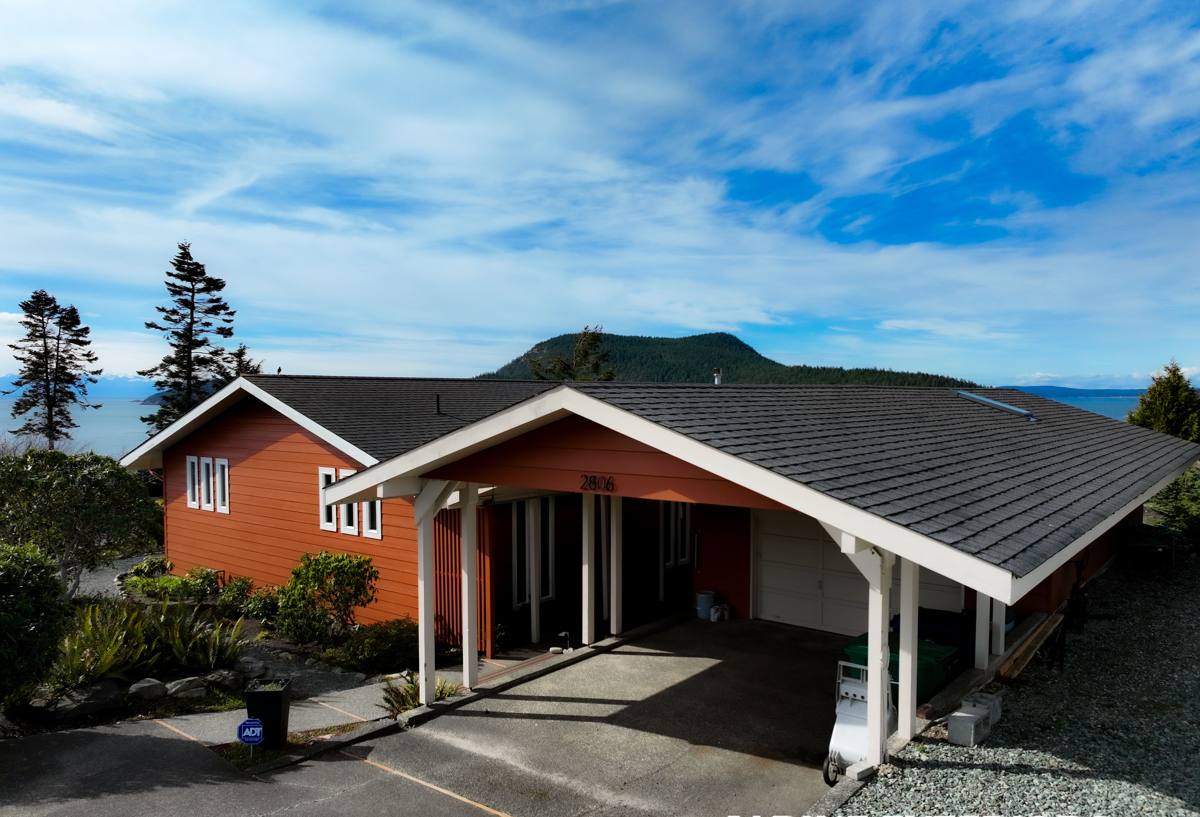
What the Climate Does to a Braden River Home
Four forces do most of the damage to exteriors in this part of Florida, and Braden River gets all four at once.
Hurricane-Force Wind
Manatee County sits in a wind-exposure zone that requires exterior products and fastening schedules rated for high wind loads. Siding, roofing, and window installations here aren't just about appearance — they're about whether the assembly stays attached and watertight when a storm pushes wind-driven rain sideways into the wall. Loose or under-fastened siding, roofing with the wrong nailing pattern, or windows that weren't installed to the frame properly are the failures we see most often after a storm, and nearly all of them trace back to installation shortcuts, not bad luck.
Intense, Year-Round UV
Florida sun doesn't take a season off. Paint film on wood or fiber cement breaks down faster here than almost anywhere else in the continental US, and cheaper siding products chalk, fade, and crack under sustained UV exposure in a fraction of the time they'd last in a milder climate. Roofing materials face the same acceleration — asphalt shingles lose granules and dry out faster under constant heat and UV.
Wind-Driven Rain and Humidity
Even outside of named storms, Bradenton gets frequent, heavy rain events, and the tree cover and water proximity around Braden River keep humidity high for much of the year. Any siding or roofing system that isn't managing moisture correctly — poor flashing, gaps at trim, siding that wicks water instead of shedding it — turns into a rot or mold problem quickly in this environment.
Salt Air
Braden River isn't beachfront, but it's tidal and connects to Sarasota Bay, and salt-laden air travels well inland along the Gulf Coast. Metal fasteners, flashing, and hardware that aren't corrosion-rated will show rust and pitting years before they would in a non-coastal environment. This is one of the most overlooked factors in exterior work here — the visible siding or shingles can look fine while the fasteners underneath are failing.
Siding: Why We Only Install James Hardie
Bradenton Exterior installs James Hardie fiber cement siding exclusively. We don't offer vinyl, LP SmartSide, Cemplank, Allura, or primed wood siding like spruce or cedar, and that's a deliberate standard, not a limitation we apologize for.
Vinyl siding is affordable and easy to install, but it's a petroleum-based product that softens and can warp under sustained high heat, and it has real limits in high-wind exposure — it can crack, buckle, or blow off in storm-force gusts unless installed with unusually tight tolerances. In a wind zone like Manatee County's, that's a real trade-off, not a theoretical one.
LP SmartSide and other engineered wood products use a wood-strand core. They perform reasonably well in many climates, but wood-based cores are more sensitive to sustained moisture exposure than fiber cement, and Bradenton's humidity and rain patterns are exactly the conditions where that sensitivity shows up over time — particularly at cut edges, seams, and any point where the factory sealant gets compromised during installation.
Primed wood siding — spruce, cedar, and similar species — looks great on day one but demands the most ongoing maintenance of any option: regular repainting, caulking, and inspection for rot, especially in a climate that doesn't give wood much of a chance to dry out between rain events.
James Hardie fiber cement is non-combustible, dimensionally stable, and doesn't absorb moisture the way wood or wood-composite products do. It's engineered specifically for climates like ours — Hardie's HZ5 product line is formulated for high-humidity, high-moisture regions, which describes Manatee County exactly. The factory-applied ColorPlus finish is baked on under controlled conditions and holds color and resists UV fading far longer than field-applied paint, which matters enormously given how hard Florida sun is on painted surfaces. It carries a strong transferable warranty, which also helps resale — a real consideration if your Braden River property ever changes hands.
None of this means other products are junk. It means that when we weigh moisture behavior, wind performance, UV durability, and long-term maintenance against what a Gulf Coast home actually experiences, Hardie is the product we're willing to put our name behind and warranty our workmanship on.
Roofing for the Braden River Area
Roofing decisions here come down to wind rating, underlayment quality, and flashing detail — the roofing material itself is only part of the equation. We install roofing systems rated for Florida's wind exposure requirements, with attention to the details that actually determine whether a roof survives a storm: proper nailing patterns (not staples, not under-driven fasteners), correctly lapped and sealed underlayment, and flashing at every penetration and transition, sealed with corrosion-resistant materials given the salt air moving inland from the bay.
A roof replacement or repair also gives us a chance to check attic ventilation, which matters more in Florida than most homeowners realize — poor ventilation traps heat and humidity under the roof deck, which shortens the life of the roofing material from underneath even as UV works on it from above.
Windows: Impact Resistance and Efficiency
Window selection in this part of Manatee County usually comes down to impact-rated glass versus impact-rated glass paired with hurricane shutters or panels — both are viable, code-compliant paths, and which one makes sense depends on your budget and how much manual storm prep you want to deal with each season. Beyond wind and impact resistance, modern windows also cut cooling costs significantly in a climate where air conditioning runs nearly year-round, and proper flashing and sealing around the window frame is just as important as the glass itself for keeping wind-driven rain out.
Decks: Built to Handle Sun, Rain, and Humidity
Outdoor living is a big part of why people choose Braden River, and a deck here needs to handle direct sun exposure, frequent rain, and humidity that keeps wood damp longer than it would inland or up north. We build and repair decks with attention to proper spacing for drainage and airflow, fasteners and hardware rated for the corrosive coastal air, and material choices that match how much maintenance you actually want to take on — from traditional wood that needs regular sealing to lower-maintenance composite decking.
Comparing Siding Options for This Climate
| Factor | Vinyl | Wood/Engineered Wood | James Hardie Fiber Cement |
|---|---|---|---|
| Wind performance | Can crack or detach in high gusts | Moderate, fastener-dependent | Strong when installed to spec |
| Moisture/humidity resistance | Doesn't absorb water, but seams can trap it | Vulnerable at cut edges and seams | Engineered for high-humidity climates (HZ5) |
| UV/color retention | Fades and chalks over time | Needs repainting on a regular cycle | Factory ColorPlus finish resists fading |
| Fire resistance | Combustible | Combustible | Non-combustible |
| Typical maintenance | Low, but limited repair options | High — regular painting and sealing | Low — occasional cleaning and caulk checks |
What We Check Before Any Exterior Work Starts
- Existing moisture damage or rot behind current siding, trim, or roofing
- Flashing condition at windows, doors, roof penetrations, and wall transitions
- Fastener and hardware corrosion, especially on older installations
- Attic and wall ventilation, which affects how materials perform over time in humid conditions
- Current wind-rating compliance versus Manatee County's building code requirements
- Drainage around the foundation and how it affects siding and lower wall assemblies
Why a Local Crew Matters
Manatee County's permitting process, wind-load requirements, and inspection standards are specific to this jurisdiction, and a crew that works here regularly already knows what inspectors look for and what the code actually requires — that saves time and avoids the rework that comes from a contractor guessing at local requirements. Just as important, a local crew has seen how materials and installations in this area actually hold up over years of real Gulf Coast weather, not just how they perform in a manufacturer's climate-controlled test. That local track record shapes every material and installation decision we make on a Braden River property.
If you're weighing a siding replacement, a roof that's showing its age, window upgrades, or deck work, we're glad to take a look and give you a straightforward, no-pressure estimate — fill out the form below and we'll follow up to schedule a time that works for you.