 Bradenton
 Exterior Contracting for Mill Creek Homes
Mill Creek sits inland from the coast but still lives inside everything Manatee County weather throws at a house over the course of a year. That means long stretches of intense UV in the spring and summer, sudden wind-driven downpours that seem to come out of nowhere in the afternoon, and the periodic threat of a tropical system pushing hurricane-force gusts through the neighborhood. Add in the salt-laden air that drifts well inland from Tampa Bay and the Gulf on a breeze, and you've got a climate that is genuinely hard on exterior building materials — siding, roofing, windows, and decking all included.
We're a local exterior contractor based in the Bradenton area, and Mill Creek is part of our regular service territory. That's not a marketing line — it means our crews already know how the sun angle changes what side of a house takes the worst UV damage, how storm drainage behaves on Manatee County lots, and what inspectors and HOAs in this part of the county actually look for on a permit. This page walks through what we see on homes in and around Mill Creek, and how our siding, roofing, window, and deck work is built around those realities rather than a generic national playbook.
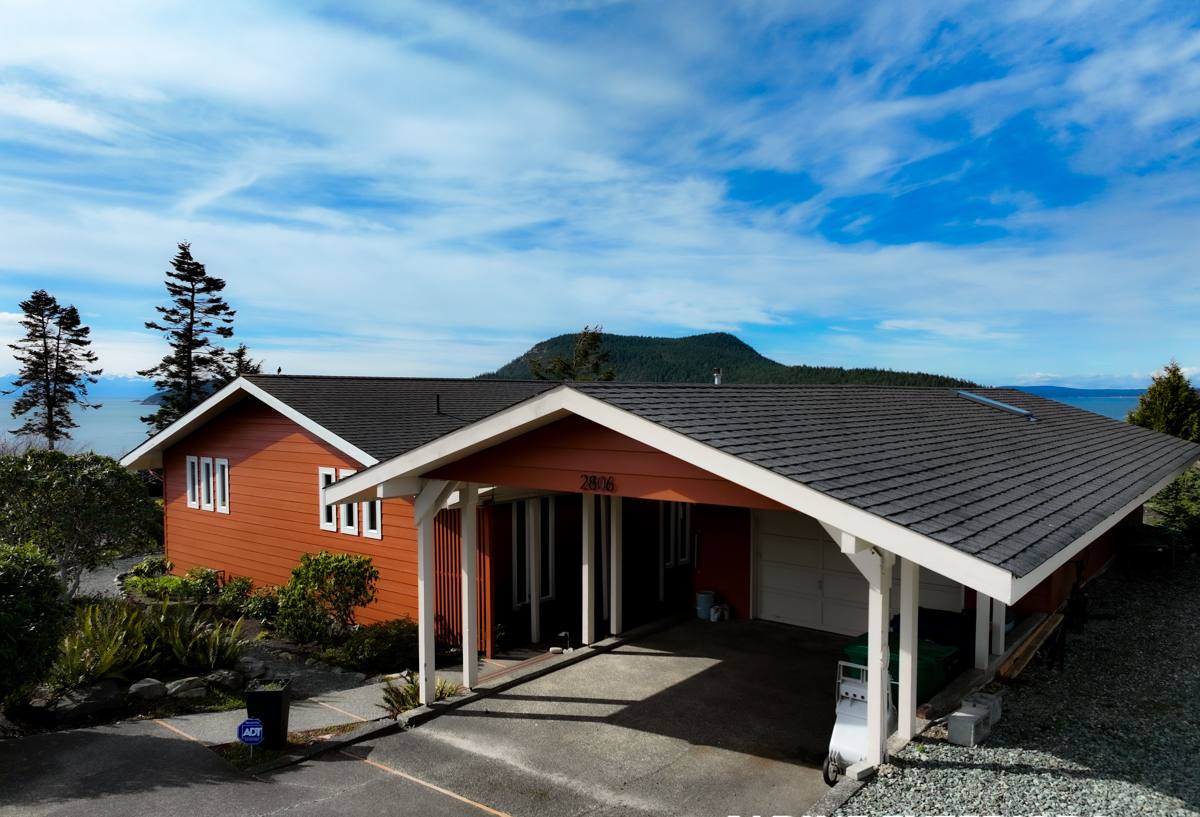
What the Climate Does to a Mill Creek Home
Sun and Heat
Florida sun is relentless, and it's not just about fading paint. UV exposure breaks down the surface chemistry of a lot of exterior materials over time — caulk gets brittle, wood trim checks and cracks, and lower-grade siding products can chalk or delaminate years before their rated lifespan. Roofs take the worst of it, since shingles and underlayment are absorbing direct overhead sun for most of the day, most of the year. Heat cycling — hot days, cooler nights, repeated expansion and contraction — is a slow, steady stress test on every exterior surface.
Wind-Driven Rain
Afternoon storms in this part of Florida rarely fall straight down. Wind pushes rain sideways into wall assemblies, around window frames, and up under roof edges and deck ledger boards. A house doesn't need to take a direct hurricane hit to develop moisture problems — years of ordinary wind-driven summer rain finding a weak seam or an under-flashed penetration will do it gradually, and often invisibly, until there's a stain or soft spot to show for it.
Storm Wind Loads
Manatee County homes are built to Florida Building Code wind requirements, but "built to code" and "aging well after code" are two different things. Fasteners loosen, sealants fail, and older siding or roofing systems that were installed before current wind provisions can be more vulnerable than a homeowner realizes. When a named storm does track through the area, it's usually the weak points — a poorly fastened soffit, an under-sealed window flange, a deck ledger that was never properly through-bolted — that fail first.
Salt Air
Mill Creek isn't beachfront, but Manatee County's proximity to Tampa Bay and the Gulf means salt aerosol travels further inland than people expect, especially with onshore wind patterns. Salt accelerates corrosion on metal fasteners, flashing, and hardware, and it can contribute to the breakdown of certain coatings and sealants over time. It's a slower effect than direct beachfront exposure, but it's real, and it's one more reason material choice matters here.
Siding: Why We Only Install James Hardie
Siding is the single largest exterior surface on most homes, and in this climate it's doing constant work — blocking UV, shedding wind-driven rain, and holding paint or factory finish through repeated heat cycles. We made the decision early on to install exclusively James Hardie fiber cement siding, and we don't install vinyl, LP SmartSide, Cemplank, Allura, or primed wood siding like spruce or cedar. That's a deliberate standard, not a lack of options.
Vinyl siding is affordable and easy to install, but it softens and can distort in sustained high heat, and it's rated for a specific wind-speed threshold that can be exceeded in a strong Florida storm — panels can crack or blow off at their weakest fastening points. Engineered wood products like LP SmartSide perform reasonably well when the factory coating is intact and installation is flawless, but any breach in that coating — a cut edge, a fastener hole, a hairline gap — gives moisture a path into the wood-based core, and once that starts, it doesn't reverse itself. Primed wood siding like spruce or cedar is a real, traditional product with genuine appeal, but it demands a repainting and caulking maintenance schedule that most homeowners underestimate, and in a humid, UV-heavy climate that schedule gets shorter, not longer.
James Hardie fiber cement is non-combustible, dimensionally stable across heat cycles, and resistant to moisture-driven rot in a way wood-based products structurally cannot match, since there's no wood fiber in the core to absorb water. It comes with a factory-applied ColorPlus finish baked on and warranted against fading, rather than a field-applied paint job that starts weathering the day it's rolled on. Hardie also engineers regional product lines — its HZ5 formulation is built specifically for humid, high-moisture climates like ours — so the material isn't a one-size-fits-all product adapted to Florida after the fact.
Hardie Product Lines We Install
- HardiePlank lap siding — the standard horizontal siding profile, available in several exposure widths and textures
- HardieShingle — a shingle-style profile for accent areas or full-home coastal-cottage looks
- HardiePanel — vertical panel siding, often used for board-and-batten style accents
- HardieTrim — matching trim boards for a consistent, factory-finished look around windows, corners, and fascia
Roofing Built for Manatee County Storms
A roof in Mill Creek needs to handle direct UV load, wind uplift, and wind-driven rain infiltration simultaneously, often within the same storm event. We evaluate deck condition, underlayment quality, and flashing detail on every roofing project — not just the shingles or tiles on top — because most roof leaks in this climate trace back to a flashing or underlayment failure, not a failure of the roofing material itself. Proper edge metal, valley flashing, and penetration flashing around vents and stacks matter as much as the field material choice.
We also pay close attention to attic ventilation, since a well-ventilated roof assembly manages the heat buildup that Florida sun creates far better than a sealed, poorly vented one — and that has a direct effect on how long roofing materials last and how much strain is put on the home's cooling system underneath.
Windows: Managing Heat, Glare, and Wind
Windows in a Mill Creek home are doing three jobs at once: keeping UV-driven heat gain manageable, standing up to wind-load requirements, and sealing out wind-driven rain at the frame. We look at low-E glass coatings to cut solar heat gain without darkening a room unnecessarily, and we make sure frame flashing is integrated correctly with the surrounding wall assembly — a window that's a good product but poorly flashed is still a leak waiting to happen. Impact-rated or code-compliant wind-load glazing is worth discussing on any replacement project in this part of the county, particularly on street-facing or storm-exposed elevations.
Decks: Built to Handle Sun, Rain, and Salt
Outdoor living is part of why people choose Florida, and decks in this climate take a beating from constant sun exposure, standing water after storms, and — depending on hardware choice — corrosion from salt-laden air. We focus on proper ledger board attachment and flashing (a common failure point on older decks), corrosion-resistant fastener and connector hardware, and drainage detailing so water sheds off the structure instead of pooling against framing members. Decking material choice — composite versus wood — comes with real trade-offs in UV fade resistance, heat underfoot, and long-term maintenance that we're happy to walk through for your specific setup.
How We Approach a Mill Creek Project
Assessment
We start with an honest look at what's actually happening on the exterior — not just what's visible, but what the visible signs suggest underneath. Cracked caulk, soft trim, or a stained soffit are often symptoms of a moisture path that's been active for a while.
Scope and Material Selection
We walk through material options honestly, including trade-offs, so you're deciding with full information rather than a sales pitch. For siding, that conversation ends at James Hardie, for the reasons above — but for roofing, windows, and decking, there are legitimate choices to weigh based on your home, budget, and priorities.
Permitting and Code Compliance
Manatee County and the applicable local jurisdiction require permits for most siding, roofing, window, and structural deck work. We handle that process as part of the job so the work is inspected and compliant, not just installed.
Installation to Spec
Manufacturer installation specifications exist for a reason — fastener spacing, flashing sequencing, and clearances are what make a product perform the way it's rated to. Hardie siding installed off-spec, for example, can void warranty coverage and behave very differently than the same product installed correctly.
Comparing Common Siding Choices
| Material | Moisture Resistance | UV/Fade Resistance | Maintenance | Wind Performance |
|---|---|---|---|---|
| James Hardie Fiber Cement | High — no wood core to rot | High — factory ColorPlus finish | Low — periodic caulk/paint checks | Strong when installed to spec |
| Vinyl | Moderate | Fades and can soften in heat | Low, but limited lifespan | Can crack/detach at high wind speeds |
| LP SmartSide / Engineered Wood | Vulnerable once coating is breached | Good if coating intact | Moderate — coating integrity matters | Good when new and intact |
| Primed Wood (Spruce/Cedar) | Low — absorbs moisture, prone to rot | Requires repainting cycles | High — regular repainting/caulking | Adequate, condition-dependent |
A Practical Pre-Storm and Maintenance Checklist
- Inspect caulking and sealant joints around windows and siding seams annually, and reseal where cracked or missing
- Check soffit and fascia for soft spots or staining, which often signal a roof or flashing leak
- Have deck ledger boards, hardware, and connectors inspected for corrosion, especially older galvanized fasteners
- Clear gutters and downspouts before storm season so wind-driven rain has somewhere to go
- Look for loosened roofing material, lifted shingle edges, or damaged flashing after any significant wind event
- Confirm attic ventilation isn't blocked, since trapped heat accelerates roofing material wear
Why a Local Crew Matters in Mill Creek
National contractors and out-of-area crews don't always understand the specific interplay of heat, humidity, wind, and salt air that defines exterior work in this part of Florida — or the permitting expectations of Manatee County and the local building department. A local crew shows up knowing the storm history of the area, the drainage quirks of the local lots, and what actually fails first on homes here versus homes in a drier or milder climate. That local knowledge shows up in the details — flashing sequencing, fastener choice, ventilation planning — that don't show up on a spec sheet but make the difference in how a project holds up ten or twenty years down the road.
If you're weighing siding, roofing, window, or deck work on a Mill Creek home, we're glad to come take a look and talk through what we're seeing — no pressure, no obligation. Use the form below to request a free estimate.