 Bradenton
 Lakewood Ranch's Exterior Climate Challenge
Lakewood Ranch has grown into one of the largest master-planned communities in the country, spanning parts of Manatee and Sarasota counties east of Bradenton. New construction sits alongside neighborhoods that are now old enough to be due for their first or second major exterior renovation. Whether a home was built five years ago or twenty, it faces the same basic problem: this part of Florida is hard on exteriors. Hurricane-force wind events, intense year-round UV exposure, wind-driven rain, and salt-laden air all work on a house continuously, not just during named storms. Homeowners who understand what they're actually up against make better decisions about siding, roofing, windows, and decks — and that's the point of this page.
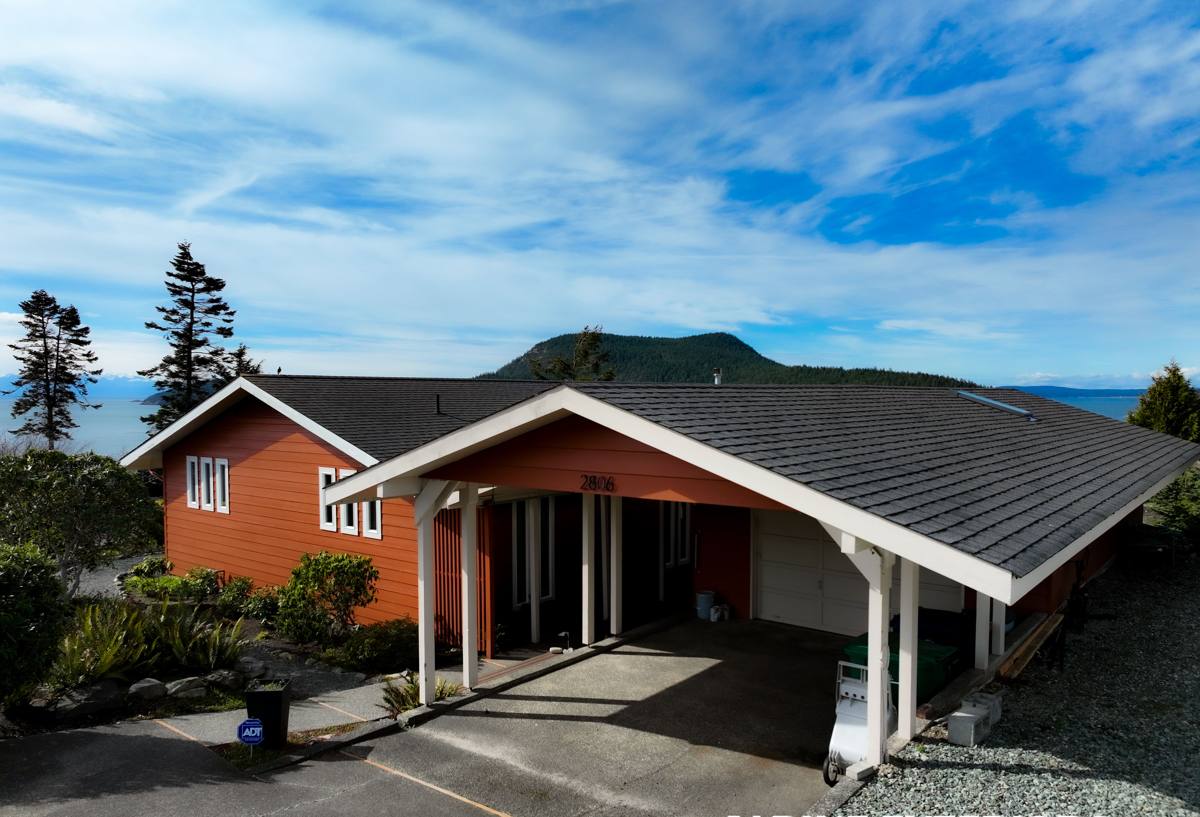
What the Climate Does to Home Exteriors
Hurricane-Force Wind
Manatee County sits in an active hurricane corridor, and Lakewood Ranch — despite being somewhat inland compared to the barrier islands — is not sheltered from wind. Sustained tropical-storm and hurricane-force winds put direct pressure on siding panels, roof coverings, and window assemblies, and they drive debris into exterior surfaces. The bigger issue for most homes isn't a single storm; it's the cumulative fatigue from repeated wind loading over years, which loosens fasteners, works seams open, and finds every weak point in a system that wasn't installed correctly the first time.
Year-Round UV
Florida doesn't get a real off-season for sun exposure. Unlike siding and trim in northern climates that get a break for several months, exterior surfaces here take direct, intense UV essentially twelve months a year. That accelerates fading, chalking, and breakdown of paint films and coatings, and it's one of the main reasons factory-applied, baked-on finishes hold up so much better here than anything hand-painted or field-applied.
Wind-Driven Rain
It's rarely the rain itself that causes damage — it's rain pushed sideways under pressure during wind events. Wind-driven rain finds gaps around windows, penetrates poorly lapped siding, and works behind trim that isn't properly flashed. Once moisture gets behind an exterior surface in a hot, humid climate like this one, it doesn't dry out quickly, and that's when rot, mold, and structural damage start.
Salt Air
Lakewood Ranch is inland relative to Anna Maria Island or Longboat Key, but salt air still travels well beyond the immediate coastline, especially carried on onshore winds off Tampa Bay and the Gulf. Salt exposure accelerates corrosion of fasteners and metal components and adds another layer of stress to any material that isn't built to handle it. It's a slower, quieter form of damage than wind or rain, but it adds up over the life of a house.
Siding in Lakewood Ranch: Why We Install Only James Hardie
We install James Hardie fiber cement siding exclusively. We don't install vinyl, LP SmartSide, Cemplank, Allura, or primed wood products like spruce or cedar. That's a deliberate standard, not a sales pitch, and it's worth explaining honestly.
What Hardie Gets Right for This Climate
Fiber cement is non-combustible, which matters in a state where wildfire risk and code requirements are both taken seriously in some jurisdictions. Hardie's ColorPlus factory finish is baked on under controlled conditions and holds color far longer under constant UV than field-applied paint, which reduces one of the biggest maintenance headaches Florida homeowners deal with. Hardie also engineers specific product lines (their HZ5 designation, for example) for high-humidity, storm-exposed climates, which is a meaningful difference from a generic siding product not built with any particular climate in mind. It doesn't rot, it resists moisture damage far better than wood-based products, and it carries a strong transferable warranty when installed to the manufacturer's specifications.
Products We Don't Install and Why
Vinyl siding can soften, warp, or blow off in high wind, and it depends heavily on correct installation clearances that are easy to get wrong. LP SmartSide, Cemplank, Allura, and primed wood or cedar all carry moisture-related trade-offs — from wood-based products that are more vulnerable to rot and pest damage if any water gets behind them, to finishes that require more frequent homeowner upkeep to look good in constant sun. None of these are "bad" products across every situation, but in a climate that delivers hurricane wind, year-round UV, and moisture pressure in the same package, we've standardized on the one system that handles all three consistently. That's why our crews only carry Hardie.
Roofing for Lakewood Ranch Homes
Roofing takes the most direct hit from wind and UV of any exterior component. A roof system needs proper fastening patterns rated for the wind speeds this area can see, underlayment that actually sheds wind-driven rain if the primary covering is compromised, and flashing details around penetrations and valleys that are done correctly the first time — most roof leaks trace back to flashing, not the field material itself. Ventilation matters too: a roof deck that can't breathe traps heat and moisture, which shortens the life of everything above it. We evaluate the whole system, not just the shingles or tiles on top.
Windows Built for Florida Conditions
Windows are a common weak point during wind events because they combine a large surface area with moving parts and seals that degrade over time. In this region, impact-rated or properly protected windows matter for both storm performance and insurance considerations. Just as important as the window unit itself is the installation: correct flashing and sealing around the rough opening is what actually keeps wind-driven rain out, regardless of how good the window itself is rated. An excellent window installed with a shortcut around the flange is still a leak waiting to happen.
Decks That Hold Up in Sun, Rain, and Salt Air
Outdoor living is a big part of why people choose Lakewood Ranch, and decks here take a beating from the same forces as the rest of the exterior: constant UV that fades and dries out surface materials, humidity and rain that stress fasteners and framing, and salt air that accelerates corrosion of hardware. Framing and ledger connections need to be sized and fastened for local wind and moisture conditions, not built to a generic national spec. Material choice, fastener grade, and proper drainage detailing all matter more here than in a milder climate.
Cost Factors to Understand Before You Budget
Exterior project costs in this area vary based on a handful of real factors, not just square footage. The table below outlines what typically moves the number up or down.
| Factor | Why It Matters Here |
|---|---|
| Home size and complexity | More corners, gables, and trim detail mean more labor and material, especially for siding and roofing tie-ins |
| Wind exposure of the lot | Open lots and homes near larger water features may need higher fastening schedules or upgraded window ratings |
| Existing damage or rot | Hidden moisture damage found once old siding or roofing is removed adds real cost — and it's common in homes with wood-based products |
| Product line selected | Hardie's various siding profiles and HZ product lines differ in price; roofing and window materials range from mid-tier to premium |
| HOA and design review requirements | Lakewood Ranch's established HOAs often have color and material approval processes that can affect timeline and product selection |
Choosing a Local Contractor in Lakewood Ranch
A crew that works this area regularly understands things a national installer or out-of-town subcontractor won't: HOA approval processes, how homes in this specific area tend to be built, what inspectors in Manatee and Sarasota counties actually look for, and what real wind and moisture exposure looks like here versus a generic Florida spec sheet. Before hiring anyone for siding, roofing, window, or deck work, it's worth checking a few things.
- Confirm active state licensing and insurance, and ask to see the actual certificate, not just a claim
- Ask specifically which siding, roofing, and window products they install and why — and whether they install more than one siding brand and how they decide which to recommend
- Ask how they handle wind-driven rain detailing around windows, doors, and penetrations, not just the field material
- Ask whether they've pulled permits and passed inspections for similar projects in Lakewood Ranch or nearby Manatee County neighborhoods
- Get manufacturer warranty details in writing, including what installation errors can void coverage
- Be cautious of bids far below others — in this climate, corners cut on flashing, fastening, or moisture barriers don't show up until years later
If you're weighing siding, roofing, window, or deck work on a Lakewood Ranch home, we're happy to take a look and talk through what actually makes sense for your property and budget. A free, no-pressure estimate is a good first step — there's a simple form below to get started.