 Bradenton
 Living on the Water in Cortez
Cortez sits right where Manatee County meets the Gulf, a working waterfront community wedged between Sarasota Bay and the barrier islands. That location is part of what makes it special, and it's also exactly why homes here take a beating that inland Bradenton properties never see. Salt-laden air rolls off the water daily, humidity sits high nearly year-round, and when a tropical system tracks anywhere near the coast, Cortez is in the direct path of wind-driven rain and sustained gusts. Any exterior product installed on a Cortez home has to survive all of that at once, not just one or two of those stressors in isolation.
We've worked on homes throughout this part of Manatee County long enough to know that what holds up in a drier, more inland climate often fails early here. Salt air accelerates corrosion in fasteners and trim. UV breaks down coatings and caulks faster than manufacturers' generic warranty language usually accounts for. And wind-driven rain finds every gap in flashing, siding laps, and window seals that a calmer climate would never expose. That's the lens we bring to every siding, roofing, window, and deck job in Cortez.
Siding That Can Take Salt Air and Wind
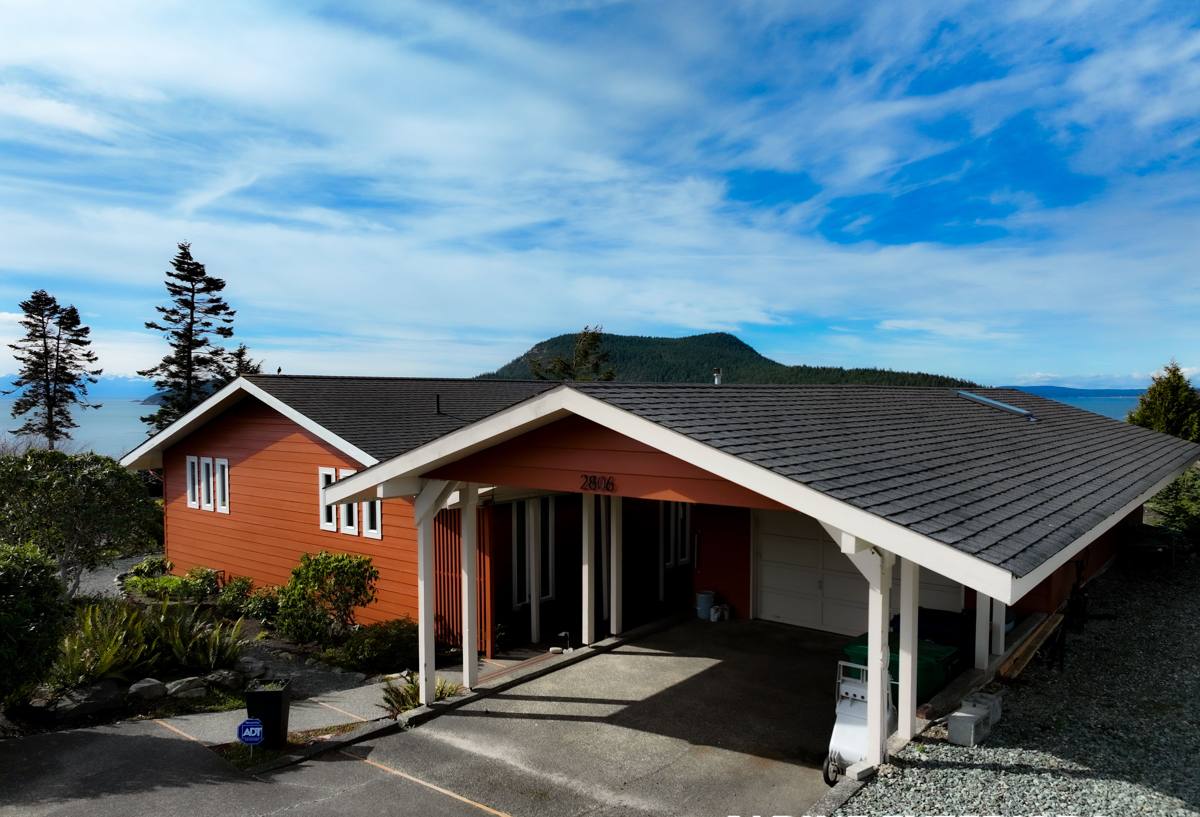
Siding on a Cortez home is doing more work than it would almost anywhere else in the state. It's the first line of defense against wind-driven rain, it's absorbing direct salt spray on days when the wind comes off the bay, and it's baking under intense sun the rest of the time. Materials that aren't built for that combination tend to show it early — fading, warping, soft spots, or fastener corrosion bleeding through the finish.
Why We Install James Hardie Fiber Cement — And Nothing Else
We made a deliberate decision as a company to install only James Hardie fiber cement siding. We don't install vinyl, LP SmartSide, Cemplank, Allura, or unprimed wood siding like spruce or cedar. That's not a marketing position — it's a standard we hold because of what we've seen these products do over time in coastal Florida conditions specifically.
Vinyl siding is affordable and easy to install, and in a lot of the country it performs fine. But it's a petroleum-based product that softens and can warp under sustained high heat, and in a direct hurricane-force wind event it's more prone to being torn off the wall than a product engineered for wind resistance. Engineered wood products like LP SmartSide use a wood-strand core with a resin coating; that coating has to stay intact to keep moisture out, and in a high-humidity, salt-air environment any breach in that coating opens the door to swelling and rot at a faster pace than most homeowners expect. Unprimed or field-primed wood siding is honest, traditional, and beautiful — but it demands a repainting and caulking schedule that most homeowners underestimate, and salt air shortens that maintenance interval further.
James Hardie fiber cement is cement, sand, and cellulose fiber — it doesn't have a plastic skin to soften in the heat and it doesn't have a wood core to absorb moisture and swell. It's non-combustible, which matters for insurance conversations as much as safety. And Hardie's ColorPlus factory finish is baked on under controlled conditions with a warranty structure built around the coastal Florida climate specifically, not a generic national average. When it's installed to Hardie's specifications — correct fastening, proper clearances, sealed cut edges — it holds paint and color far longer than field-applied finishes on other materials, which matters enormously when your siding is fighting salt air and UV simultaneously.
Roofing for Hurricane-Force Wind and UV
A roof in Cortez has two jobs that are in some tension with each other: it needs enough wind uplift resistance to survive a direct hit from tropical-storm or hurricane-force gusts, and it needs a surface that can shrug off relentless UV exposure for years between storms. Roofing systems that aren't rated and installed for Florida's High-Velocity Hurricane Zone standards (or aren't installed with the fastening patterns those standards call for) are the ones that lose shingles or tiles in the first serious blow.
We pay close attention to underlayment, flashing details around penetrations, and edge and ridge fastening — the places where wind actually gets a roof system started tearing. Underlayment quality matters just as much as the visible roofing material, because it's the layer doing the work if wind-driven rain gets past the top surface during a storm, which happens even on well-installed roofs in a bad enough event.
Windows: Impact Resistance and Water Intrusion
Windows are one of the more common weak points we find on older Cortez homes. Two separate issues show up: wind-borne debris impact resistance, and water intrusion around the frame during wind-driven rain. Older aluminum single-pane windows with original caulking and flashing are frequently the first place a home takes on water in a storm, well before the roof or siding fail.
Impact-rated windows address the debris side of that equation, and proper flashing and sealant details at installation address the water intrusion side — you genuinely need both done correctly, because an impact-rated window installed with poor flashing will still leak. We also look at window placement relative to prevailing wind and sun exposure when we're advising on replacements, since west- and southwest-facing openings in this area tend to take the harshest combination of UV and wind-driven rain.
Decks in a Salt-Air, High-Humidity Environment
Outdoor living is a big part of why people choose to live in a place like Cortez, and decks here face their own version of the same problems as siding: constant humidity, salt exposure near the water, and intense sun. Fastener selection matters enormously — standard fasteners corrode faster in salt air and can streak or stain deck boards as they degrade. Ledger board attachment and flashing at the house connection are also critical, since that's the joint most likely to trap moisture against the structure if it's not detailed correctly. We build decking systems with corrosion-resistant hardware and drainage details that account for how much humidity this part of Manatee County holds onto, even on days without rain.
Comparing Siding Options in a Coastal Manatee County Climate
| Material | Salt Air / Humidity Behavior | UV & Heat Behavior | Typical Maintenance |
|---|---|---|---|
| James Hardie Fiber Cement | Non-combustible, doesn't rot or absorb moisture like wood | Factory ColorPlus finish resists fading better than field-applied coatings | Periodic caulk/inspection; no repainting on the standard cycle other materials need |
| Vinyl | Doesn't rot, but seams and fasteners can be vulnerable in wind | Can soften, warp, or fade under sustained heat and direct sun | Low, but replacement (not repair) is often the only fix for storm or heat damage |
| LP SmartSide (Engineered Wood) | Resin coating must stay intact; breaches lead to swelling | Coating can degrade over time with UV exposure | Coating and caulk inspection is important; repainting on a defined cycle |
| Unprimed/Cedar or Spruce | Absorbs moisture readily; higher rot risk in humid coastal air | UV breaks down unprotected wood surface fibers | Regular repainting and sealing, shorter cycle in salt air |
What to Ask Before You Hire an Exterior Contractor in Cortez
Because Cortez sits in a demanding coastal microclimate, the contractor you choose matters more here than it might inland. A few things worth checking before you sign anything:
- Are they licensed and insured to work in Manatee County, and will they show you proof without being asked twice?
- Do they install to the manufacturer's written specifications (fastener type, spacing, clearances), or just "how it's always been done"?
- Can they explain why they use the specific siding, roofing, and window products they use — in terms of this climate, not generic sales language?
- Do they pull the required permits and coordinate inspections, rather than asking you to skip that step?
- Will they put warranty terms in writing, including what's covered by the manufacturer versus their own labor warranty?
- Do they have local references or a local presence you can verify, rather than a crew passing through from out of the area?
Why a Local Manatee County Crew Matters
A lot of exterior problems in Cortez aren't visible until you know what you're looking for — the way salt air concentrates on a bayfront-facing wall, the way certain roof penetrations catch wind-driven rain in a way that inland homes never experience, the way humidity here keeps materials damp longer after a storm than they'd stay in a drier climate. That's the kind of judgment that comes from working this specific stretch of coastline repeatedly, not from a general contractor's checklist. A crew that knows Cortez and the surrounding Bradenton area knows which details actually matter here and which manufacturer guidance is written for a different climate entirely.
Local presence also matters after the installation is done. Warranty claims, storm follow-up, and periodic inspections are a lot more useful when the company that did the work is still down the road and familiar with your specific home, rather than a name that only shows up once.
Getting Started
If you're weighing siding, roofing, window, or deck work on a Cortez property, we're happy to walk the exterior with you, point out what the salt air and sun have already done, and lay out straightforward options — no pressure, no hard sell. Reach out for a free estimate and we'll give you an honest read on what your home actually needs.