 Bradenton
 Building on a Barrier Island: Why Anna Maria Is a Different Job
Anna Maria Island sits out past the mainland edge of Manatee County, and that position changes what an exterior has to survive. Homes here take a steadier, saltier wind off the Gulf than houses just a few miles inland in Bradenton, and they take it year-round, not just during storm season. Add near-constant UV exposure, sudden wind-driven rain squalls, and the humidity that never really lets up in this part of Florida, and you get an environment that is genuinely harder on siding, roofing, windows, and decking than most of the country ever deals with.
A lot of the housing stock on the island is older — beach cottages, raised coastal homes, and mid-century construction that has been added onto and repaired more than once. That means every exterior project here is at least partly a diagnostic job: figuring out what the salt air and sun have already done before deciding what goes back on. We approach Anna Maria Island work the same way we'd want a contractor to approach our own house — look closely, be honest about what's failing and why, and use materials that are actually suited to a barrier island rather than whatever is cheapest to truck out.
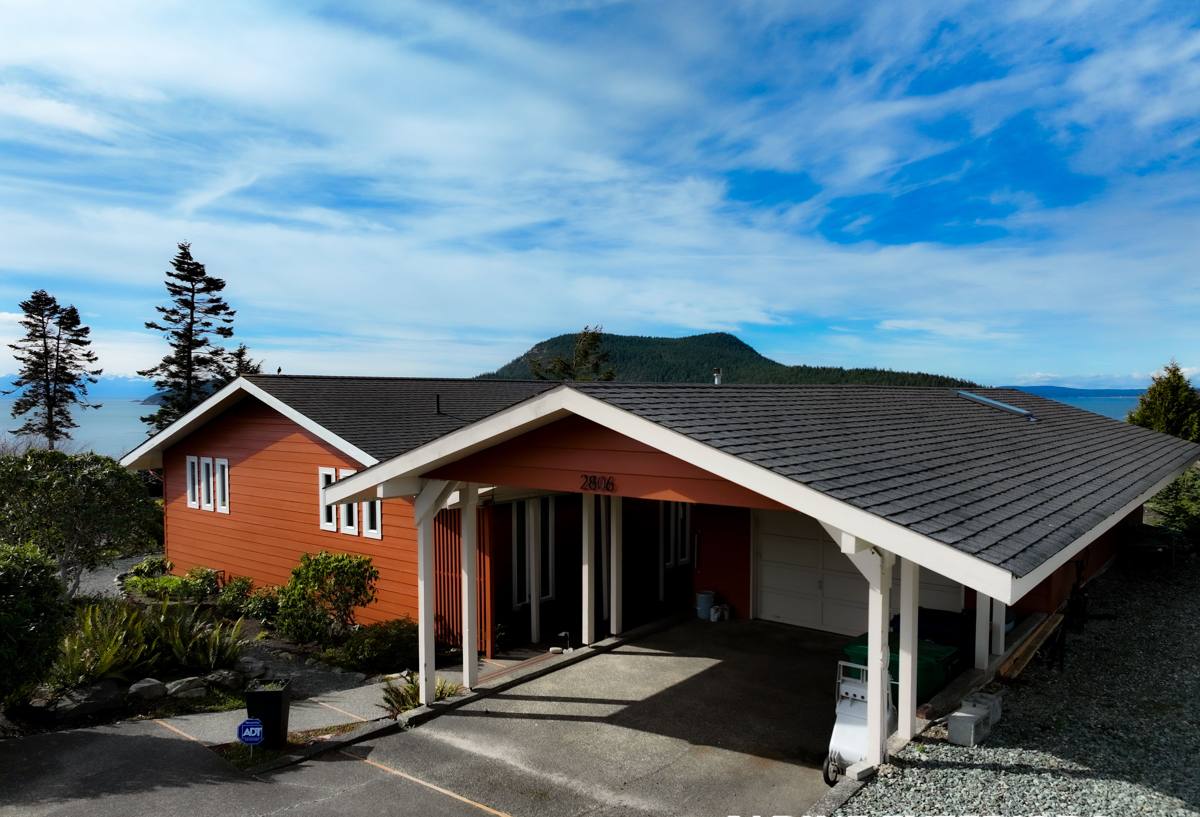
What Salt Air, Sun, and Wind Actually Do to a House
Salt and Corrosion
Airborne salt settles on every exterior surface and accelerates corrosion of fasteners, flashing, and any metal trim that isn't rated for a marine environment. It also degrades paint and caulk faster than the same products would fail a few miles inland, which is why exterior finishes on Anna Maria Island tend to chalk, fade, or crack years ahead of a similar house in a non-coastal neighborhood.
UV and Heat
Florida sun is intense for most of the year, and constant UV breaks down pigments and surface coatings over time. Paint film thins, caulk joints get brittle, and some siding materials — especially wood and wood composites — start to check and cup once the surface coating can no longer protect the substrate underneath.
Wind-Driven Rain and Storms
Even outside of a direct hurricane hit, wind-driven rain on a barrier island finds every gap in flashing, trim, and window seals. Over years, that's how water gets behind siding and into wall assemblies without anyone noticing until there's visible damage. Hurricane-force wind events, when they do come through, put a premium on how well siding, roofing, and windows are actually fastened — not just what material they're made of.
Siding for Anna Maria Island
We install James Hardie fiber cement siding exclusively — it's the only siding system we put on homes, and coastal Manatee County is exactly the kind of environment that explains why. Hardie's fiber cement doesn't rot, and because it's non-combustible, it doesn't feed insects or take on water the way wood-based sidings can. Hardie also builds specific HZ10 product lines engineered for high-humidity, high-moisture climates like ours, and finishes them with a factory-applied ColorPlus coating that's designed to hold color and resist fading better than field-applied paint under intense UV.
We don't install vinyl, LP SmartSide, Cemplank, Allura, or primed wood siding, and we're upfront about why. Vinyl can warp and become brittle under sustained heat and UV, and its seams and fastening system are less forgiving in sustained high-wind exposure. Wood-based composite sidings depend heavily on maintaining an intact factory coating — once that's compromised by sun or moisture, the substrate underneath is vulnerable in a way fiber cement simply isn't. These aren't bad products in every setting, but a barrier island exposed to salt air, constant sun, and wind-driven rain is a demanding test, and it's not one we're willing to gamble a homeowner's siding job on.
Installation Details That Matter Here
- Corrosion-resistant, coastal-rated fasteners — not standard interior-grade hardware
- Correct clearances above roof lines, decks, and grade so moisture can't wick into the bottom edge of the siding
- Properly lapped and sealed flashing at every window, door, and penetration
- Manufacturer-specified gaps and sealants sized for real-world expansion and contraction
- Attention to fastening patterns rated for the wind exposure category of the specific property
Roofing for Wind and Salt Exposure
Roofing on Anna Maria Island has to hold up to the same combination of factors as the siding — sustained wind loads, salt-laden air, and intense UV breaking down shingle granules and sealants faster than inland roofs experience. We pay close attention to underlayment quality, fastening patterns, and edge and ridge details, since those are usually where a roof fails first in a coastal wind event, well before the field of the roof gives out. Flashing around chimneys, vents, and roof-to-wall transitions gets the same scrutiny — it's a small percentage of the roof's surface area but a disproportionate share of where leaks actually start.
For a barrier island home, we also look at how the roof interacts with the rest of the exterior envelope — soffit and fascia condition, gutter attachment, and whether ventilation is adequate for Florida's humidity. A new roof installed without addressing a moisture problem in the soffits or attic just moves the problem, it doesn't solve it.
Windows: Wind Rating, Impact Resistance, and Energy Performance
Windows on Anna Maria Island need to do double duty: hold up structurally in high-wind events and keep salt-laden humid air from working its way into frames and seals over time. Impact-resistant windows rated for the local wind zone reduce the risk of storm damage and, in many cases, help with insurance costs. Beyond the storm-performance side, modern window systems also cut down on the heat gain that a west- or south-facing beach home takes on all day, which matters for both comfort and cooling costs in a climate where the air conditioner runs most of the year.
As with siding, correct installation is as important as the product itself. A well-rated window installed with poor flashing or sealant will still leak; a mid-tier window installed correctly, with proper integration into the surrounding wall assembly, often performs better in practice. We treat window replacement as part of the whole exterior envelope, not an isolated swap.
Decks in a Marine Environment
Outdoor living is a big part of why people choose to live on Anna Maria Island, and decks here take abuse from every direction — salt spray, standing humidity, direct sun, and, for elevated or waterfront properties, direct exposure to storm surge and wind-driven rain. Fastener corrosion is one of the most common issues we see on older decks in this area, along with ledger board connections that were never properly flashed against the house. When we build or repair a deck here, corrosion-resistant hardware and proper flashing at the house connection aren't upgrades — they're the baseline.
Cost Factors for Anna Maria Island Exterior Projects
Every property is different, but a few factors consistently move the price on island projects more than they would on a similar mainland Bradenton home:
| Factor | Why It Affects Cost on the Island |
|---|---|
| Access | Narrow lots, limited staging area, and elevated or piling-supported homes can add labor time |
| Existing damage | Older coastal homes often have hidden moisture or fastener corrosion that isn't visible until removal begins |
| Wind rating requirements | Higher wind-zone products and fastening schedules typically cost more than standard-zone materials |
| Flashing and detail work | Proper coastal flashing takes more time and material than a basic inland installation |
| Permitting | Coastal construction and flood-zone considerations can add review time before work starts |
We walk through these factors on-site before giving a number, rather than quoting a flat per-square-foot price that doesn't reflect what a specific island property actually needs.
Choosing and Vetting a Local Contractor
Anna Maria Island work isn't the same job as a subdivision house a few miles inland, and it's worth confirming a contractor actually has experience with barrier-island conditions before hiring. A few things worth checking:
- Current Florida contractor licensing and insurance, verifiable directly rather than taken on faith
- Familiarity with the wind zone and flood requirements that apply to island properties
- A clear explanation of fastener and flashing specifications, not just a material brand name
- Willingness to walk the property and explain what they find before quoting
- A warranty structure that's explained clearly, including what's covered by the manufacturer versus the installer
A crew that works this area regularly should be able to talk specifically about salt exposure, wind ratings, and moisture behavior without hesitation — it's part of the job here, not an afterthought.
What to Expect When You Work With Us
We start with an on-site inspection, not a phone estimate, because so much of what matters on an island property — existing moisture damage, fastener condition, flashing details — can't be assessed from a photo or a square-footage number. From there we give a straightforward explanation of what we found, what we recommend, and why, including the trade-offs behind our material choices. We're a Manatee County-based crew, which means we're familiar with the permitting process for coastal and flood-zone work in this area and we're not commuting in from out of the region for a single job.
If you're weighing siding, roofing, window, or deck work on Anna Maria Island, we're happy to come take a look and give you a straight answer about condition, options, and cost — no pressure, no obligation. Request a free estimate below and we'll schedule a time to walk the property with you.