 Bradenton
 Exterior Work Built for Parrish, Florida
Parrish has grown fast over the past decade, and that growth has brought a mix of brand-new subdivisions, mid-2000s developments, and older rural homesteads scattered across the eastern edge of Manatee County. Whatever era your home was built in, it's dealing with the same Gulf Coast climate that shapes every exterior decision in this part of Florida: long stretches of intense UV, wind-driven rain during the summer storm season, and the periodic threat of hurricane-force winds. Even this far inland from the immediate coastline, moisture-laden salt air still moves in with onshore winds off Tampa Bay and the Gulf, especially during the wetter months. That combination is hard on siding, roofing, windows, and decks alike, and it rewards homes built with materials and installation practices matched to the environment rather than generic, one-size-fits-all approaches.
We work throughout the Bradenton area, and Parrish is part of our regular service territory. That matters more than it might sound like it does — a crew that only shows up once for a bid and never again doesn't get to know how a neighborhood's homes actually age. We do.
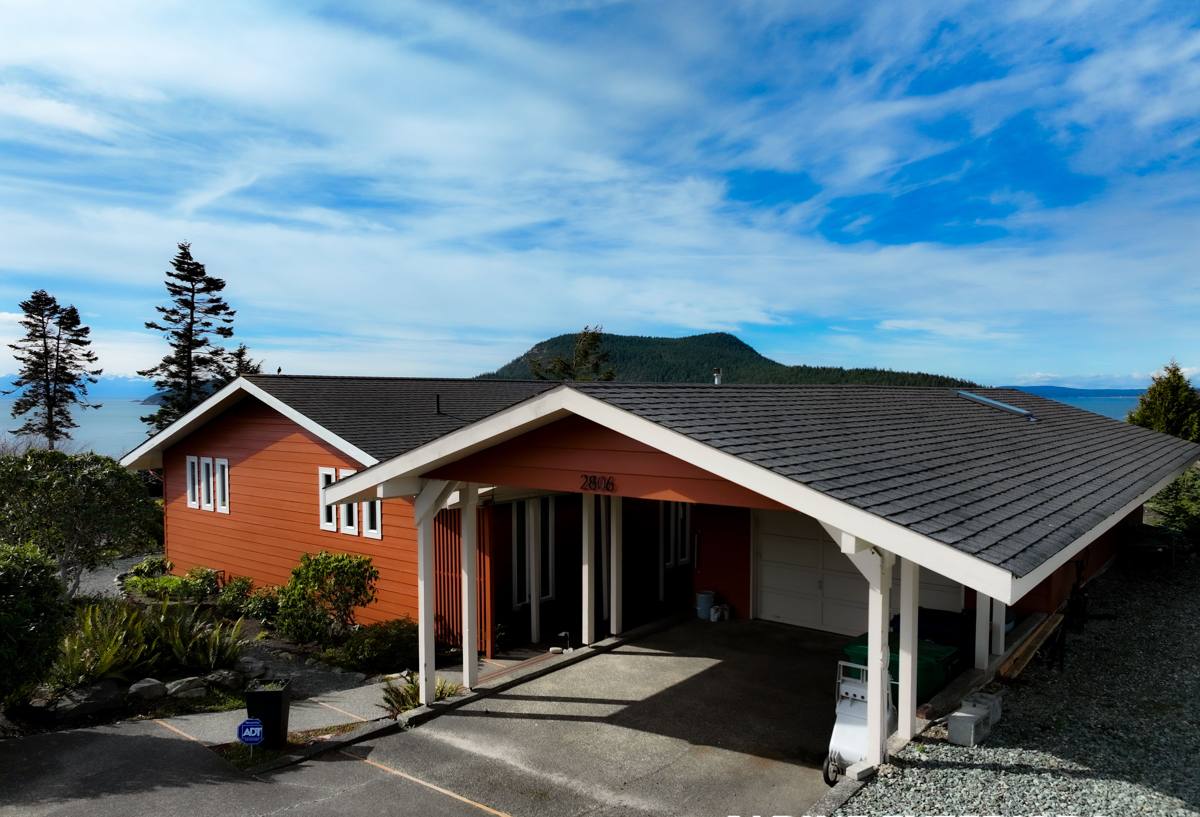
What Parrish Homes Are Up Against
Heat and UV Exposure
Florida sun is relentless almost year-round. On exterior materials, UV breaks down pigments and binders over time, which is why so many homes in this area show chalky, faded siding trim and sun-baked, brittle caulk within just a few years of a paint job. Roofing takes a similar beating — shingles and coatings that aren't rated for the intensity of Florida sun degrade faster than their national warranty numbers might suggest.
Humidity and Wind-Driven Rain
Summer storms in Manatee County don't just fall straight down — wind pushes rain sideways into walls, under eaves, and around window and door openings. Materials and flashing details that work fine in a drier climate can let moisture in here, and once moisture gets behind siding or trim in a humid environment, it doesn't dry out quickly. That's when you start seeing soft trim, bubbling paint, or mold staining.
Hurricane-Force Wind Events
Manatee County sits in a hurricane-exposed part of the state, and Parrish is not exempt. Even when a storm's worst winds pass to the north or south, the outer wind bands can still be strong enough to lift poorly fastened siding, pull loose roofing, or drive debris into windows and deck structures. Exterior work here needs to be installed to withstand real wind loads, not just look good on a calm day.
Salt Air and Corrosion
Parrish isn't beachfront, but it's not far removed from Tampa Bay either, and salt-bearing air travels well inland on a steady breeze. Over years, that salt exposure accelerates corrosion on fasteners, hardware, and any metal components on the exterior of a home — another reason material and hardware choices matter more here than in a landlocked climate.
Siding: Why We Only Install James Hardie
Siding takes the brunt of everything described above — sun, humidity, wind, and salt — for decades without a break. We made the decision to install James Hardie fiber cement exclusively, and we did it because of how the product performs under exactly these conditions, not because of marketing.
- Non-combustible material — fiber cement doesn't contribute fuel to a fire, which matters as more of Manatee County's dry-season brush and grass fires push into developed areas.
- Factory-applied ColorPlus finish — baked-on color resists the fading and chalking that plagues field-painted siding under intense Florida UV, and it holds up longer between repaints.
- HZ5 climate-engineered formulation — Hardie's HZ product line is engineered specifically for high-humidity, moisture-prone climates like Florida's, rather than a generic national formulation.
- Dimensional stability — fiber cement doesn't swell, warp, or rot the way wood-based products can when they take on repeated moisture exposure.
- Strong transferable warranty — backed by a manufacturer with decades of track record in coastal and hurricane-prone regions, not a newer or thinner warranty structure.
We don't install vinyl, LP SmartSide, Cemplank, Allura, or primed wood species like spruce or cedar. Each of those products has legitimate uses and loyal customers elsewhere, but none of them hold up to the specific combination of UV intensity, humidity, and storm exposure that Manatee County homes face as consistently as Hardie fiber cement does when installed correctly. That's a professional standard we hold to, not a knock on every homeowner who's chosen otherwise.
Roofing for Local Conditions
A roof in Parrish needs to do two jobs well: shed wind-driven rain without letting water find its way under the shingles, and survive direct, sustained sun exposure without prematurely aging. We pay close attention to underlayment quality, flashing details around penetrations and valleys, and proper ventilation — a poorly ventilated attic traps heat and moisture, which shortens the life of the roofing above it and can drive up cooling costs below it.
Common Roofing Issues We See in the Area
- Granule loss and shingle brittleness from years of direct UV exposure
- Flashing failures around chimneys, skylights, and roof-to-wall transitions after wind-driven rain events
- Inadequate attic ventilation accelerating heat damage to roof decking
- Fastener corrosion on older roofs from long-term humidity and salt air exposure
Windows That Handle Wind and Heat
Windows are a home's most vulnerable opening during a wind event and its biggest source of unwanted heat gain during a Florida summer. We look at both when we talk windows: proper impact-rated or wind-rated glazing and framing for storm resistance, and low-E coatings or glazing packages that cut down on solar heat gain so air conditioning isn't working overtime. Correct flashing and sealing around the window opening matters just as much as the window unit itself — a great window installed with sloppy flashing will leak regardless of its rating.
Decks Built for Outdoor Living, Year-Round
Outdoor living is a big part of why people choose Florida, and Parrish's larger lots and newer developments have made decks and outdoor structures common additions. A deck here faces sun exposure that fades and dries out lesser materials, humidity that invites rot and mildew at ground contact and fastener points, and occasional high winds that stress railings and structural connections. We build and repair decks with attention to proper fastener selection (corrosion resistance matters given the salt air factor), adequate ventilation underneath the structure, and materials chosen for how they'll hold up over years of Florida weather, not just how they look on installation day.
Why a Local Crew Matters
Exterior work isn't one-size-fits-all, even within a single county. A crew that mainly works drier, milder climates will make different assumptions about flashing details, fastener specs, and material tolerances than a crew that works Gulf Coast weather every day. Being local to the Bradenton area means we've seen how homes in Parrish specifically age over time — which details tend to fail first, which products underperform their marketing once they've spent a few summers under Florida sun, and which installation practices actually hold up through hurricane season after hurricane season. That local track record informs every bid and every install we do here.
Cost Factors to Expect
Exact pricing depends on your home's size, current condition, and the scope of work, but these are the main factors that move the number up or down on most Parrish projects:
| Factor | Why It Matters |
|---|---|
| Home size and complexity | More linear footage of siding, more roof planes, or more window openings means more material and labor |
| Current exterior condition | Hidden moisture damage, rotted sheathing, or failed flashing found during tear-off adds repair scope |
| Material selection | Hardie board profile, roofing product, and window glazing package all affect cost and long-term performance |
| Access and site conditions | Larger lots, landscaping, or multi-story sections can affect labor time and equipment needs |
| Permitting and code requirements | Manatee County wind-load and building code requirements factor into materials and installation methods |
What to Ask Before Hiring an Exterior Contractor in Parrish
- Are you licensed and insured to work in Manatee County?
- Do you pull permits and schedule inspections, or expect the homeowner to handle that?
- What specific siding, roofing, and window products do you install, and why those?
- How do you handle flashing and moisture protection around penetrations and openings?
- Can you explain your warranty — both manufacturer and workmanship — in plain terms?
- Do you have ongoing presence in this area, or is this a one-time job for you?
If your Parrish home's siding, roofing, windows, or deck are showing signs of age, or you're planning ahead of the next storm season, we'd be glad to take a look. Reach out for a free, no-pressure estimate — we'll walk the exterior with you and give you a straight answer about what it actually needs.