 Bradenton
 Window Installation in Lakewood Ranch Isn't a Generic Job
Lakewood Ranch sits inland from the Gulf, but that doesn't mean the climate goes easy on windows here. Manatee and Sarasota County homes still take the full brunt of Florida's building-code wind requirements, near-constant UV exposure, and the wind-driven rain that comes with every summer storm system and the occasional hurricane. Add in humidity that never really lets up, and window failures in this area tend to follow a predictable pattern: seal failure between glass panes, frame corrosion or pitting on older aluminum units, sticking or warped sashes, and water finding its way in around openings that were never properly flashed to begin with.
A lot of Lakewood Ranch's housing stock was built during the community's major growth phases from the 1990s through the 2020s, which means we see everything from original builder-grade single-pane aluminum windows in the older sections to newer double-pane vinyl and impact glass in more recent phases. Each generation of construction has its own quirks, and knowing what you're dealing with before you start pulling out old windows matters more than most homeowners expect.
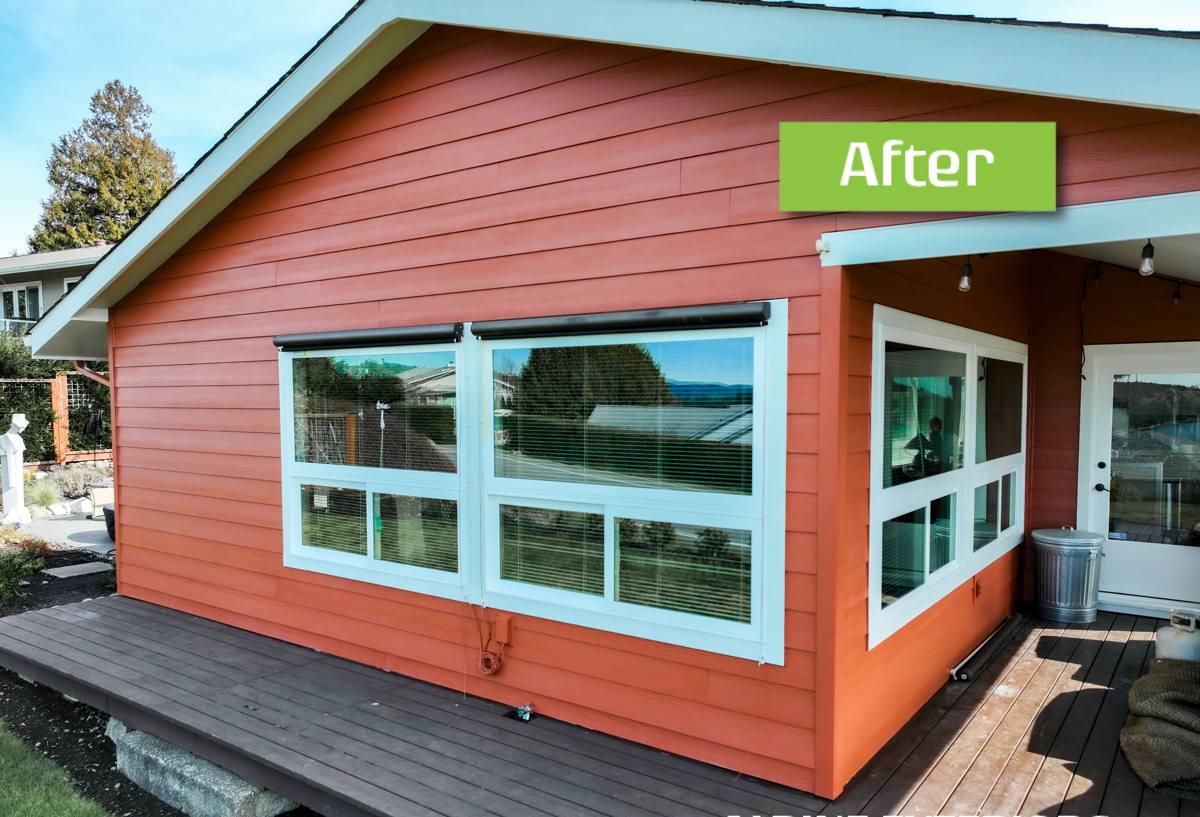
What a Correct Window Installation Actually Involves
It's Not Just the Window
The window unit itself is maybe half the job. The other half is everything around it: flashing that directs water away from the rough opening, sealant that's rated for exterior exposure and applied in the right locations (not just smeared everywhere), proper shimming so the frame isn't racked or twisted, and weep holes left clear so any water that does get past the outer seal has somewhere to drain. Skip any one of these steps and you can end up with a window that looks fine for a year or two and then starts leaking, fogging, or letting in drafts.
Fastening and Structural Attachment
Florida Building Code requires windows in our wind-borne debris region to carry a product approval number (often referred to as an FL or Miami-Dade NOA approval) that matches how the unit is actually installed — fastener type, spacing, and embedment into structural framing or masonry all have to match the tested and approved installation instructions for that specific product. This isn't paperwork for its own sake; it's the difference between a window that stays in the opening during a wind event and one that doesn't.
Impact-Rated Glass vs. Standard Glass with Shutters
Florida code gives homeowners in wind-borne debris regions two paths to compliance: install impact-rated windows, or install standard windows with code-approved shutters or panels that get deployed before a storm. Both are legal. They're not equivalent in day-to-day living, though, and the right call depends on the home, the budget, and how much you want to think about storm prep every hurricane season.
| Option | Storm Protection | Everyday Living | Maintenance |
|---|---|---|---|
| Standard glass + code shutters/panels | Good, but requires deploying panels before every storm | Normal clear glass, no visual difference day to day | Shutters need storage, hardware upkeep, and someone available to install them in time |
| Impact-rated laminated glass | Permanent — no action needed before a storm | Slightly heavier sash, marginal light/sound differences depending on interlayer | None beyond normal window care |
| Impact-rated + Low-E or tinted glass package | Same permanent protection as standard impact glass | Reduced glare and heat gain, helps with UV-driven fading indoors | None beyond normal window care |
We're upfront with clients: shutters cost less upfront but shift the ongoing burden onto whoever's home when a storm is approaching. Impact glass costs more at install but removes that dependency entirely — the protection is built into the window whether anyone's home or not. Neither choice is wrong; it's a trade-off between upfront cost and ongoing effort.
Laminated Impact Glass vs. Tempered Glass
These two get confused often enough that it's worth spelling out. Tempered glass is heat-treated to break into small, relatively dull pebbles instead of sharp shards — it's a safety glass standard, but it does not meet impact window requirements on its own because it still breaks and comes out of the frame. Laminated glass sandwiches a plastic interlayer between two panes; when it's struck, the glass can crack but the interlayer holds it together and keeps it in the frame. Impact-rated windows use laminated glass specifically because the opening has to stay covered even after the glass is compromised.
Frame Material Considerations for This Climate
Vinyl
Vinyl frames don't corrode and handle humidity well, which makes them a common, cost-effective choice. The trade-off is that vinyl can expand and contract more with heat than other materials, so quality of manufacture and installation tolerances matter more than with some alternatives.
Aluminum
Aluminum is strong and holds up structurally, which is why it's been used in Florida construction for decades. Its weak point is that older aluminum, especially anything closer to salt-influenced air along the coastal side of the county, can pit and corrode over time if the finish isn't maintained. Newer aluminum products with better coatings hold up considerably better than what was common in older builder-grade installs.
Fiberglass and Composite
These generally offer the best dimensional stability in heat and the least maintenance, at a higher price point. For homeowners planning to stay long-term, the lower lifetime maintenance can offset the higher initial cost.
We don't push one material as universally "better" — we walk through what each one means for your specific home, budget, and how long you plan to own it, and let you make the call with real information instead of a sales pitch.
Our Installation Process
- On-site assessment. We inspect existing openings, framing condition, and any signs of past water intrusion before recommending anything.
- Product and glass package selection. We walk through frame material, glass options, and impact vs. shutter strategy based on your home and goals.
- Permitting. Window replacement in Manatee County requires a permit and inspection — we handle the paperwork and schedule inspections as part of the job.
- Careful removal. Old units come out without unnecessary damage to surrounding stucco, drywall, or trim.
- Opening prep and flashing. Any rot, gaps, or old failed sealant gets addressed before the new window goes in — this step gets skipped by rushed crews more often than homeowners realize.
- Installation to product approval specs. Fasteners, shimming, and sealant applied to match the tested installation method for that specific window.
- Final inspection and walkthrough. We confirm proper operation, check for square and level, and walk the homeowner through anything they should know about care or warranty.
Permits, Codes, and HOA Approval in Lakewood Ranch
Window replacement isn't a project you can quietly do over a weekend in this county — it requires a Manatee County permit, and the installed product has to carry a valid Florida product approval matching the wind-borne debris requirements for the area. On top of the county process, Lakewood Ranch's many planned neighborhoods and villages often have their own homeowners association architectural review requirements covering things like frame color, grid pattern, and exterior appearance. Getting an HOA submission wrong or skipped can delay a project by weeks, so it's worth confirming what your specific community requires before ordering product.
Signs Your Current Windows Are Due for Replacement
- Fogging or a hazy film between the panes of a double-pane window — the seal has failed and it can't be cleaned out
- Visible pitting, chalking, or corrosion on aluminum frames
- Windows that stick, won't stay open, or are difficult to lock
- Water staining or soft drywall/trim around the interior of the window opening
- Noticeably higher cooling bills with no other explanation
- Frames or glass that were never rated for wind-borne debris protection and still rely on plywood or improvised covering before storms
- Any window installed before current Florida Building Code wind requirements took effect in your area
Cost Factors Worth Understanding
Every job is different, so we won't quote a number without seeing the home, but the honest range for window projects is driven by a handful of factors: how many openings are involved, frame material, whether you're going with impact-rated glass or standard glass with shutters, window size and configuration (a large sliding or picture window costs more than a standard single-hung), accessibility (second story or hard-to-reach openings take more labor), and whether the existing opening needs repair work before a new unit can go in. Homes with rot, past water damage, or out-of-square openings will cost more than a straightforward like-for-like swap. We give a firm number after we've actually looked at the job, not before.
Why a Bradenton-Based Crew That Works Lakewood Ranch Specifically Matters
A crew that regularly works in Lakewood Ranch already knows the county permitting process, has a working relationship with local building inspectors, and understands the HOA architectural review patterns common across the community's various villages. That familiarity translates directly into fewer delays and fewer surprises mid-project. It also means we're a short drive away if a warranty question or adjustment ever comes up after the job is done — not a crew that installed once in the area and moved on. For a job that has to hold up against real hurricane-force wind and years of Gulf Coast sun, that ongoing accountability matters as much as the install itself.
Before You Hire, Ask
- Are you licensed and insured in Florida, and can you show proof?
- Will you pull the Manatee County permit, or is that left to me?
- What product approval number applies to the windows you're proposing, and does the install method match it?
- How do you handle flashing and sealing around the opening, not just the window itself?
- What's covered under warranty, and for how long — both the product and your labor?
If your Lakewood Ranch home has windows that are fogging, sticking, letting in water, or simply aren't rated for what Florida storms bring, we're happy to take a look and give you a straight, no-pressure estimate. Fill out the form below and we'll get in touch to schedule a time to assess your windows in person.