 Bradenton
 Exterior Work in Southgate: What Makes This Corner of Bradenton Different
Southgate sits inside Manatee County's inland-to-coastal transition zone, close enough to Sarasota Bay and the Gulf that salt air, humidity, and storm bands off the water all reach these blocks, but far enough in that homes also take the full brunt of Florida sun with less tree canopy break than some of the older bayfront neighborhoods. That combination — salt-laced air, high humidity, intense UV, and the real chance of hurricane-force wind and wind-driven rain during storm season — is hard on every exterior surface a house has: siding, roofing, window seals, and any deck or porch structure attached to the home.
We work this area regularly, which matters more than it sounds like it should. A crew that only shows up in Southgate once a year treats it like any other job site. A crew that works Manatee County week in and week out knows which streets flood first in a heavy afternoon storm, which older homes still have original single-pane windows that were never built for today's wind codes, and which siding and roofing choices actually hold up here versus which ones look fine for the first two or three years and then start showing problems.
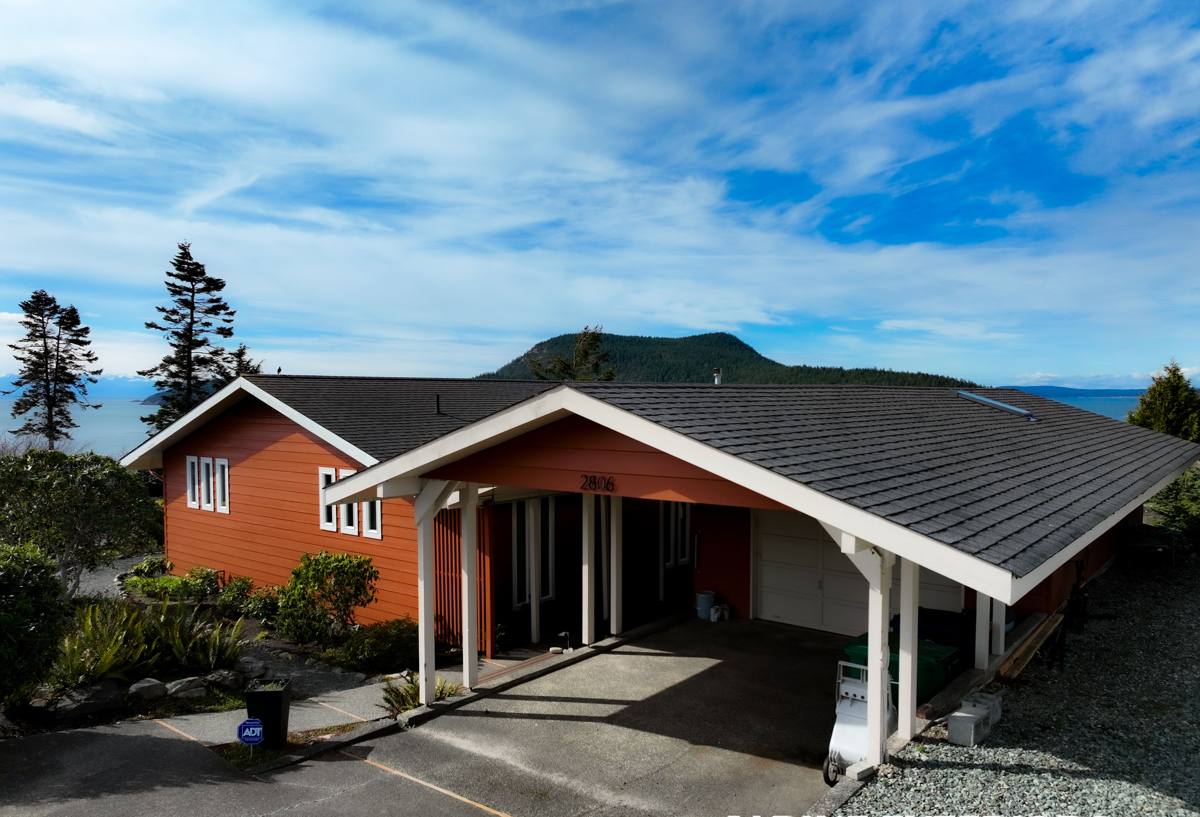
What Southgate Homes Are Up Against
Salt Air and Humidity
Even a few miles from open water, airborne salt accelerates corrosion on fasteners, flashing, and any exposed metal, and it works its way into porous or poorly sealed siding materials over time. Combined with Bradenton's humidity, which rarely drops much even in winter, this is an environment where anything that can absorb or trap moisture eventually will.
Year-Round UV Exposure
Florida sun is relentless on painted and unpainted exterior surfaces alike. UV breaks down pigments, dries out caulk and sealants, and is a major reason why paint jobs on wood or lower-grade siding fail faster here than they would in a milder climate. Roofing materials and window frames face the same exposure, all day, every day, all year.
Hurricane Winds and Wind-Driven Rain
Wind is the obvious threat during named storms, but wind-driven rain is often the more damaging factor for a home's exterior envelope. Rain forced sideways under pressure finds every gap in flashing, every under-caulked window frame, and every seam in siding or roofing that wasn't detailed correctly. Homes in Southgate don't just need materials rated for wind resistance — they need an installation that actually seals the envelope against water intrusion when wind is pushing rain horizontally.
Siding: Why We Only Install James Hardie Fiber Cement Here
We install James Hardie fiber cement siding exclusively. We don't install vinyl, LP SmartSide, Cemplank, Allura, or primed wood species like spruce or cedar, and in a climate like Bradenton's, that's a deliberate standard rather than a brand preference.
Vinyl siding can soften, warp, or crack under sustained heat and doesn't hold up as well against wind-borne debris impact as fiber cement. Engineered wood products like LP SmartSide use wood strand cores that, however well-treated, remain a wood-based material — and wood-based products carry an inherent moisture and rot vulnerability that's harder to fully engineer around in a humid, salt-air coastal climate. Other fiber cement brands such as Cemplank or Allura are legitimate cement-based products, but we've standardized on Hardie specifically for its ColorPlus factory-applied finish, its HZ5 product engineering for high-humidity zones, and the depth of its installation network and warranty backing in Florida. Primed spruce or cedar siding requires ongoing repainting and sealing that most homeowners underestimate until the maintenance bills start arriving.
What James Hardie Gets Right for This Climate
- Non-combustible fiber cement construction — a real advantage in wind-driven ember or wildfire-adjacent exposure, and a point some insurers factor into premiums.
- ColorPlus finish is baked on at the factory under controlled conditions, which resists UV fade far better than field-applied paint.
- HZ5 formulation is specifically engineered for high-humidity, moisture-prone climates like ours, rather than a one-size-fits-all national product.
- Doesn't rot, doesn't attract termites, and won't soften or deform in extreme heat the way some vinyl products can.
- Backed by a strong transferable limited warranty, which matters to resale value in a market where buyers increasingly ask about exterior materials.
None of this means other products are junk — it means that after years of installing and repairing exterior siding on Gulf Coast homes, we decided we'd rather stand behind one system we trust completely than offer a menu of options with different long-term risk profiles.
Siding Material Comparison
| Material | Moisture/Rot Resistance | UV Fade Resistance | Wind-Driven Rain Performance | Typical Maintenance |
|---|---|---|---|---|
| James Hardie Fiber Cement | Excellent | Excellent (factory finish) | Strong when properly flashed | Occasional wash, repaint on long cycles |
| Vinyl | Good (won't rot, can trap moisture behind it) | Fair to good, can fade over time | Can be a weak point if panels loosen in high wind | Low, but replacement needed if cracked/warped |
| Engineered Wood (LP SmartSide) | Fair — wood-based core is moisture-sensitive | Good with maintained finish | Vulnerable if edges/seams aren't sealed and maintained | Regular inspection and resealing of cut edges/seams |
| Primed Wood (spruce/cedar) | Poor to fair without diligent upkeep | Fair, prone to sun-driven paint failure | Weak without frequent recaulking and repainting | High — repainting and sealing on a short cycle |
Roofing for Bradenton's Storm Exposure
A roof in Southgate has to do two jobs at once: shed intense, near-daily sun without breaking down prematurely, and stay fully sealed against wind uplift and wind-driven rain when a tropical system rolls through. We look at underlayment quality, fastening patterns, flashing at every penetration and valley, and ventilation just as closely as we look at the shingle or roofing material itself, because most roof leaks in this climate start at a flashing or seam failure, not a shingle failure.
What We Check On Every Roofing Job
- Deck condition underneath the existing roofing before anything new goes on
- Underlayment type and coverage, especially at valleys and low-slope transitions
- Flashing around chimneys, vents, skylights, and wall intersections
- Fastening schedule appropriate for current Florida Building Code wind zones
- Attic and ridge ventilation, which affects both energy cost and long-term deck life
Windows: Sealing the Envelope Against Wind-Driven Rain
Older homes in the Southgate area may still have original windows that predate current Florida wind-load and impact requirements. Even where the glass itself is intact, aging frames, dried-out weep systems, and degraded perimeter sealant are common sources of water intrusion during storms — long before a window ever fails structurally. When we replace windows, we're not just swapping glass; we're rebuilding the seal between the window unit and the wall assembly so wind-driven rain has nowhere to get in.
Impact-rated windows also reduce the pressure differential inside a home during high wind, which is part of what protects roofing and siding from the inside out during a storm — a detail that's easy to overlook when homeowners think of windows as a separate system from the rest of the exterior.
Decks: Built for Sun, Humidity, and Salt Air
Outdoor decks and porches in this part of Manatee County take a beating from the same three forces as everything else on the exterior: UV that dries and cracks wood or composite decking over time, humidity that accelerates rot at ledger boards and fastener points, and salt air that corrodes hardware faster than inland installations. Structural connections — ledger attachment, post bases, and joist hangers — matter more here than the decking surface itself, since a beautiful deck board is meaningless if the frame underneath is corroding or the ledger connection was never properly flashed against the house.
Deck Longevity Factors We Prioritize
- Corrosion-resistant fasteners and hardware rated for coastal/salt-air exposure
- Proper ledger board flashing where the deck meets the house wall
- Adequate spacing and drainage to prevent standing water and trapped humidity
- Material selection matched to sun exposure and expected maintenance tolerance
Why a Local Bradenton Crew Matters
Exterior work isn't just about the materials — it's about installation details that a crew only gets right through repetition in this specific climate. A local crew that works Manatee County consistently already knows the wind-load requirements that apply here, has relationships with local suppliers who stock the right materials, and can respond quickly if a storm damages an exterior system we installed or if a warranty issue needs a site visit. That local accountability is worth more than a lower bid from a crew that's passing through the area for one job and won't be easy to reach a year later.
Choosing a Contractor for Exterior Work in Southgate
Whether you're comparing us to another company or just trying to vet exterior contractors in general, a few questions separate a serious operation from a risky one.
- Are they licensed and insured to work in Manatee County, and will they provide proof without being asked twice?
- Do they pull the required permits, or do they suggest skipping that step?
- Can they explain, in plain terms, how their materials and installation methods handle wind-driven rain and salt air specifically — not just generic weather?
- Do they stand behind one product system with a real manufacturer warranty, or offer a wide menu without a clear recommendation?
- Do they have an established, reachable local presence, or a phone number and address that could belong to any city?
What to Expect When You Work With Us
We start with an on-site inspection of the specific exterior system you're asking about — siding, roofing, windows, or decks — and give you a straightforward assessment of condition and options. There's no upsell script and no pressure to bundle services you don't need. If your siding is fine but your roof flashing is failing, we'll tell you that. If your windows are the actual source of a water intrusion problem you thought was a roof leak, we'll tell you that too.
If you're in Southgate and dealing with aging siding, a roof that's due for attention, windows that leak during storms, or a deck that needs structural work, we're glad to come take a look. The estimate is free, there's no pressure attached to it, and you'll get a straight answer about what your home actually needs.