 Bradenton
 Building on a Barrier Island Isn't Like Building Inland
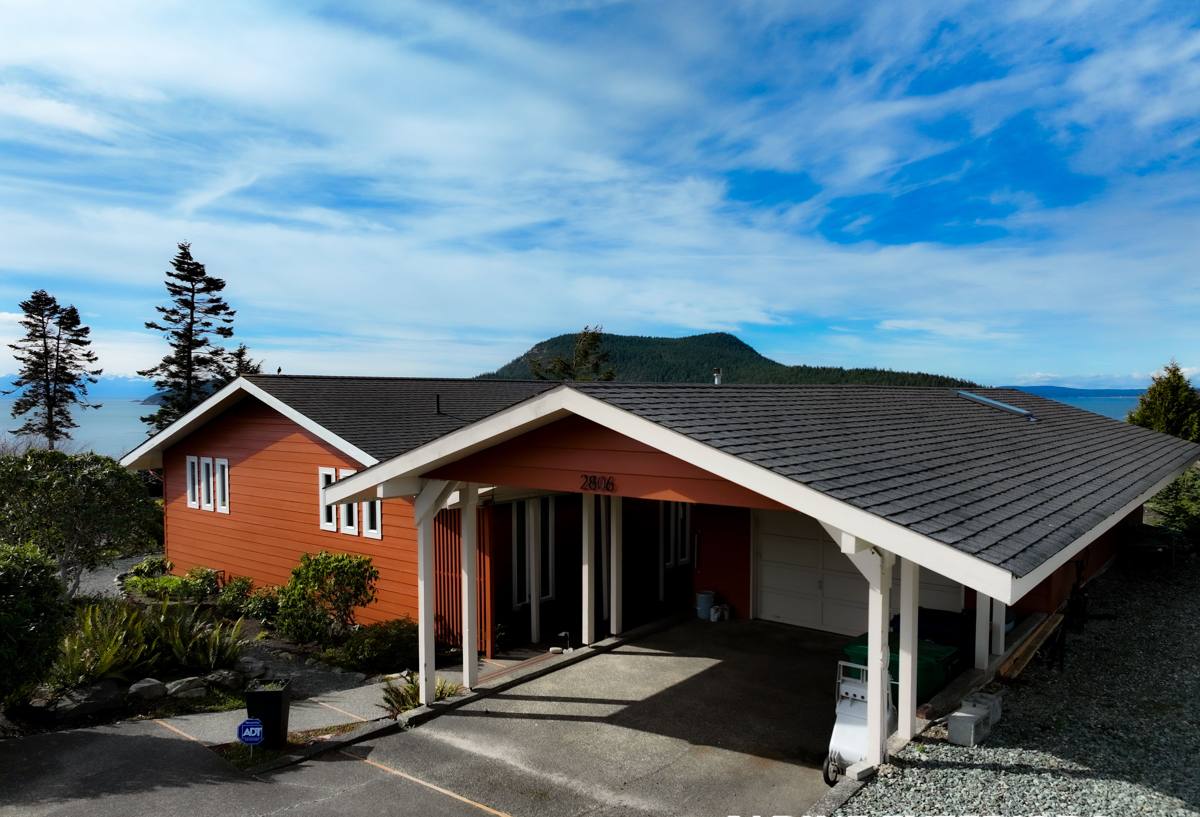
Bradenton Beach sits out on the Gulf, closer to open water than most of Manatee County ever gets. That changes what a house needs from its exterior. Homes a few miles inland deal with regular Florida weather. Homes here deal with that same weather plus a steady dose of salt air, wind coming almost straight off the water, and humidity that never really lets up. Materials that hold up fine in Bradenton proper can wear out noticeably faster once they're a block from the beach.
None of this means a home here has to look weathered or high-maintenance. It means the materials and installation details matter more, and there's less room for shortcuts. That's the lens we bring to siding, roofing, windows, and decks on this stretch of coast.
What Bradenton Beach Homes Actually Face
Salt Air, Every Single Day
Salt in the air isn't an occasional thing on a barrier island — it's constant, and it settles on every exterior surface. Over years, it accelerates corrosion on fasteners and hardware, breaks down finishes that weren't built to handle it, and leaves a film that traps moisture against siding and trim if it's never rinsed off.
Wind and Wind-Driven Rain
Manatee County sits squarely in Florida's hurricane exposure zone, and Bradenton Beach's position on the water puts it closer to the leading edge of any storm coming off the Gulf. Beyond named storms, everyday thunderstorm season pushes rain sideways under normal circumstances — meaning water gets forced into seams, laps, and flashing details that would stay dry in a calmer climate.
Relentless UV
South Florida sun is intense nearly year-round, and a home this close to open water gets full exposure with almost nothing to block it. UV breaks down paint films, dries out and cracks cheaper trim materials, and fades colors faster than most homeowners expect.
Humidity and Moisture Cycling
Warm, humid air combined with afternoon storms means exterior materials are constantly swelling and drying. Products that aren't dimensionally stable — meaning they expand and contract a lot with moisture — eventually show it through cracked caulk lines, popped fasteners, or warped boards.
Siding: Why Fiber Cement, and Why Hardie Specifically
We install James Hardie fiber cement siding exclusively. That's a deliberate standard, not a default. We used to see, and still see on other properties, what wood-based and vinyl products do in a coastal environment like this one over a decade or two, and it shaped how we think about what belongs on a home near the Gulf.
Why We Don't Install Vinyl Siding Here
Vinyl is affordable and easy to install, and it has a place in plenty of markets. But it's a thin plastic product that softens and can warp in sustained high heat, and it's rated for wind resistance well below what a coastal Manatee County property should plan for. In direct sun and salt air, colors fade faster than fiber cement, and there's no repainting it — once it fades or cracks, replacement is the only fix.
Why We Don't Install LP SmartSide or Wood-Based Products
Engineered wood siding and traditional wood or cedar products depend entirely on an intact protective coating to keep moisture out. That's a fine system inland where things dry out between storms. On a barrier island, with humidity that rarely drops and rain that gets driven sideways into seams, any gap in that coating — a nick, a poorly sealed cut edge, a joint that opens up — gives moisture a path into the wood fiber underneath. Once that starts, it doesn't reverse itself.
Why We Don't Install Cemplank, Allura, or Primed Spruce
Cemplank and Allura are also fiber cement, and fiber cement as a category is the right call for this climate. Where we part ways is the finish system and the manufacturer backing behind it. We standardized on Hardie's ColorPlus factory-applied finish and the warranty structure behind it, rather than mixing installation standards across multiple fiber cement brands. Primed spruce carries the same core problem as other wood siding: a coating that has to stay perfect, indefinitely, to keep the substrate dry.
What James Hardie Gets Right for This Location
- Fiber cement is non-combustible, which matters for insurance and for peace of mind
- It doesn't feed on moisture the way wood-based products do — it's engineered to resist the swell-and-dry cycling that's constant here
- The HZ5 product line is engineered specifically for high-humidity, storm-prone climates like Florida's Gulf Coast
- ColorPlus factory finish is baked on under controlled conditions, so it holds color and resists the fading that intense year-round UV causes in field-painted products
- Hardie backs its siding with a strong, transferable limited warranty — useful if you ever sell
Fiber cement siding isn't invincible, and it isn't maintenance-free. It still needs to be installed to Hardie's specifications — correct fastening, proper clearances, sealed joints — because installation quality is what actually determines how a product performs in a place like Bradenton Beach.
Roofing for Wind, UV, and Salt
A roof here does more work than a roof almost anywhere else in the country. It's the first thing hurricane-force gusts hit, it takes the brunt of year-round UV, and it has to shed wind-driven rain that doesn't fall straight down the way it does inland.
We pay close attention to the details that actually determine how a roof performs in a storm — underlayment, fastening patterns, flashing at every penetration and edge, and how the roof ties into the rest of the building envelope. A roof that's rated well on paper but installed loosely is still a weak point. On the material side, we talk homeowners through options rated for Florida's wind zones and help weigh upfront cost against expected lifespan in this specific environment, not a generic one.
Windows: Where Wind and Water Meet
Windows are one of the more vulnerable points on any coastal home, because they're a manufactured assembly set into a wall opening, and every seam around that opening is a potential path for wind-driven rain. On a barrier island, standard residential windows and standard installation practices often aren't enough.
We look at impact resistance ratings, proper flashing and sealing around the frame, and how the window ties into the surrounding siding or wall assembly — because a window that's rated well but flashed poorly will still leak in a sideways rain event. Salt air also degrades cheap window hardware and frame finishes faster than it does inland, so material choice matters here too.
Decks: Built for Salt Spray and Sun
Outdoor living is a big part of why people choose to live this close to the Gulf, and a deck here takes a beating that an inland deck never sees — salt spray, constant UV, and humidity that keeps wood-based decking damp longer after every rain. We build and repair decks with attention to fastener corrosion resistance, structural connections rated for coastal wind exposure, and decking material choices that actually hold up to salt air rather than just looking good on day one.
Cost Factors to Understand Before You Budget
| Factor | Why It Matters Here |
|---|---|
| Proximity to the water | Homes directly on or near the Gulf face heavier salt exposure, which affects material and hardware choices |
| Wind rating requirements | Manatee County's coastal wind zones often call for higher-rated materials and fastening than inland construction |
| Existing substrate condition | Moisture-damaged sheathing or framing found during a siding or roofing tear-off adds cost, but skipping the fix costs far more later |
| Product line chosen | Hardie's HZ5 climate-engineered line and ColorPlus finish cost more upfront than base-grade materials but reduce long-term maintenance and repainting |
| Scope of the project | A single-trade repair versus a full exterior refresh across siding, roofing, windows, and a deck changes both price and scheduling |
We give straightforward, itemized estimates so you can see exactly what's driving the number, rather than a single lump figure.
Why a Local Crew Matters on a Barrier Island
Working on Bradenton Beach and the surrounding coastline day in and day out teaches a crew things that don't show up in a general training manual — how fast salt air actually degrades different materials here, which flashing details fail first in wind-driven rain, and what permitting and wind-load requirements apply in Manatee County's coastal zones. That's different knowledge than a crew that mostly works inland and takes the occasional coastal job.
A local crew also means someone answers the phone quickly if a storm rolls through and you need an inspection or a repair, rather than waiting on a company that has to travel in.
What to Look for When Vetting a Contractor Here
- Proper Florida contractor licensing and insurance, verifiable before work starts
- Experience specifically with coastal or barrier island properties, not just general Florida work
- Clear, written scope and pricing — not a verbal estimate
- Manufacturer-specific installation training for the products they're proposing, especially fiber cement siding
- Willingness to explain wind ratings and flashing details, not just colors and price
- Local references or a local physical presence, not just a phone number with an out-of-area company behind it
Our Process, Start to Finish
We start with an honest look at what's actually going on with your exterior — not just what's visible, but what a tear-off or closer inspection is likely to reveal, especially on an older coastal home. From there we walk through material options with real trade-offs explained, not just upsold. Once a scope is agreed on, we handle permitting where required, protect the property during work, and install to manufacturer specification rather than cutting corners that won't show up until years later.
If you're weighing siding, roofing, windows, or a deck for a home in Bradenton Beach, we're happy to take a look and give you a straightforward, no-pressure estimate — no obligation, just an honest read on where things stand and what your options are.