 Bradenton
 Why Parrish Roofs Take a Different Kind of Beating
Parrish sits in the fast-growing northern reach of Manatee County, a mix of newer subdivisions and older homes on larger lots that have watched the area change around them. Whatever the age of the house, the roof over it deals with the same regional weather pattern every year: tropical systems and hurricane-force wind gusts in season, near-constant high UV exposure, wind-driven rain that finds its way under anything not properly sealed, and a steady dose of salt-laden air pushing in off Tampa Bay and the Gulf. None of those factors act alone. Wind loosens fasteners and lifts shingle edges, UV bakes out the oils that keep asphalt flexible, and once a shingle is cracked or lifted, wind-driven rain has an open door. Salt air accelerates corrosion on any exposed metal — nails, flashing, drip edge — which is often the quiet failure point behind a leak that seems to "come from nowhere."
A single named storm rarely destroys a roof outright. More often it's the accumulation — one storm loosens a ridge cap, the next one finishes the job. That's why storm damage repair in Parrish needs to be treated as both an immediate fix and a chance to catch the smaller problems a storm exposed before they become the next leak.
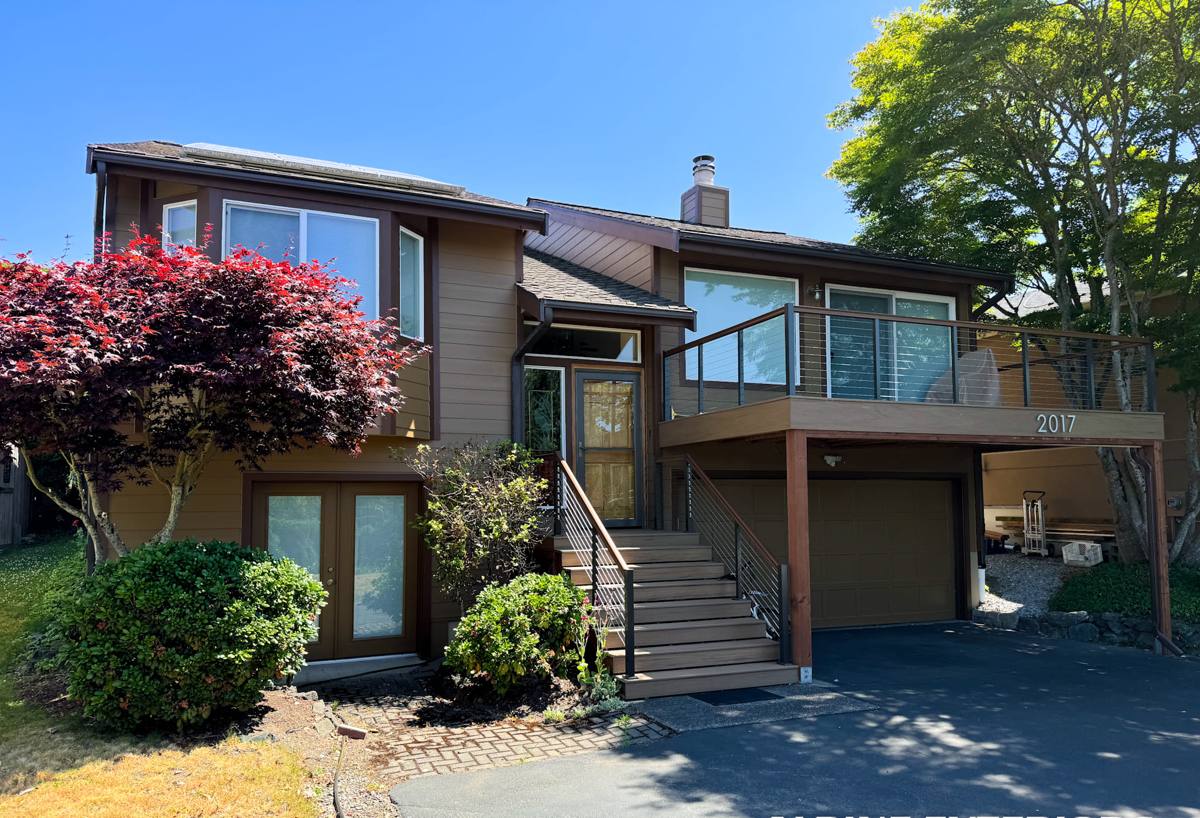
Recognizing Storm Damage Before It Becomes a Bigger Problem
Some storm damage is obvious — missing shingles, a tarp-worthy hole, water actively coming through a ceiling. Most of it isn't. The damage that costs homeowners the most is usually the kind that sits quietly for months, letting water into the decking and framing long before it shows up indoors. After any significant wind event, it's worth checking for:
- Shingles that look lifted, curled, or slightly out of alignment with the rest of the field
- Granules collecting in gutters or at the base of downspouts
- Soft spots, sagging, or discoloration on interior ceilings, especially near exterior walls
- Bent, lifted, or missing flashing around chimneys, skylights, and roof-to-wall transitions
- Visible daylight through the attic decking, or a musty smell in the attic space
- Dented or creased metal on vents, caps, or accessories after a hail-producing storm
- Debris impact marks — branch strikes, dented gutters, or displaced ridge caps
If any of these are present, the roof needs a real inspection, not just a patch on the visible problem. A shingle that's missing is easy to spot; the fastener that backed out three feet away and is now letting water track sideways under the field is not.
What a Correct Storm Damage Repair Actually Involves
A rushed repair replaces what's visibly broken and stops there. A correct one treats the damaged area as a system: the shingles, the underlayment beneath them, the decking beneath that, and the flashing at every transition, all working together to shed water. Repairing shingles without checking the decking underneath — or checking the decking without confirming the underlayment is intact — leaves the door open for the same leak to return after the next storm.
Matching matters too. Asphalt shingles fade with UV exposure over time, so a patch using new shingles next to older, sun-bleached ones will stand out and, more importantly, may not seal the same way against wind-driven rain if the profiles don't match closely. We treat matching as a functional issue first and a cosmetic one second — a properly sealed repair that blends in is the goal, not a repair that merely covers the hole.
Our Process for Storm Repairs in Parrish
1. Stabilize First
If a storm has left an active leak or exposed decking, the first priority is stopping further water intrusion — typically with a proper tarp-and-secure job, not a quick patch that blows off in the next round of wind. This buys time to do the actual repair correctly instead of under pressure.
2. Full Roof Inspection
We inspect the entire roof, not just the area that was reported as damaged. Storms rarely damage only one spot, and a full inspection catches secondary issues — lifted flashing on the far side of the house, granule loss that signals aging shingles nearing the end of their service life, or fastener back-out that hasn't leaked yet but will.
3. Documentation and Estimate
Every finding gets documented clearly — what's damaged, what's simply aged, and what's still sound. This documentation is written to be useful whether you're paying out of pocket or filing an insurance claim, so you're not scrambling to reconstruct what happened after the fact.
4. The Repair
Repairs address the full system: decking replaced where it's compromised, underlayment restored, flashing resealed or replaced, and shingles matched as closely as possible to the existing roof. Fasteners and flashing get extra attention given how quickly salt air corrodes exposed metal in this area.
5. Final Walkthrough
We walk the completed repair with you, explain exactly what was done and why, and make sure you know what a properly sealed repair should look like going forward.
Repair or Replace? How We Help You Decide
Not every storm-damaged roof needs a full replacement, and not every roof is worth repairing again. The right call depends on the roof's age, how much of it was affected, and how many prior repairs it's already had.
| Factor | Leans Toward Repair | Leans Toward Replacement |
|---|---|---|
| Roof age | Under 12–15 years | Nearing or past expected shingle lifespan |
| Extent of damage | Isolated to one section or slope | Spread across multiple slopes |
| Decking condition | Sound, no rot found | Soft spots or rot in multiple areas |
| Prior repair history | First or second repair | Multiple past patches in different spots |
| Shingle match availability | Close match still available | Discontinued or badly faded, mismatch unavoidable |
We'll give you a straight answer on which side of that table your roof falls on, including when a repair is genuinely the right call — we're not in the business of upselling a full replacement when a solid repair will hold.
Working With Your Insurance Company
Storm damage claims move faster and smoother when the documentation is thorough from day one. Adjusters are working through a high volume of claims after any regional storm event, and a clear, itemized inspection report — with the cause of damage and its extent laid out plainly — helps your claim get evaluated on its actual merits rather than getting stuck in back-and-forth. We provide documentation you can hand directly to your insurer or adjuster, and we're available to walk the roof with them if that's helpful. What we won't do is inflate a scope of work to chase a bigger payout — an honest scope protects you if the claim gets reviewed later and keeps your premium history clean.
Materials We Use and Why
Storm repair material choices come down to how well something holds up to Florida's specific combination of UV, wind, and salt air — not just what's cheapest to install today.
| Material | Where It Fits | Trade-Off to Know |
|---|---|---|
| Architectural asphalt shingles | Standard repairs matching existing asphalt roofs | Match quality depends on how faded the existing roof is; UV shortens lifespan over time |
| Metal flashing (corrosion-resistant) | All flashing replacement — valleys, chimneys, wall transitions | Higher upfront cost than standard flashing, but resists salt-air corrosion far longer |
| Synthetic underlayment | Any area where decking or underlayment is exposed during repair | Requires correct installation sequencing to perform as intended |
| Sealed ridge cap systems | Ridge and hip lines, common failure points in high wind | Needs proper fastening pattern — this is where a lot of storm damage originates |
We hold to these standards because a repair is only as good as its weakest component, and in coastal-influenced counties like Manatee, the flashing and fasteners fail long before the shingles do if lower-grade materials are used.
Why a Crew That Already Works Parrish Matters
Storm repair isn't just a technical job — it's a local one. A crew already working in Parrish and the surrounding Bradenton area knows the typical roof types and ages in the area's older homes versus its newer subdivisions, understands Manatee County permitting requirements for repair work, and can often respond faster after a regional storm event simply because they're not driving in from across the region. Local experience also means recognizing what's normal wear for this climate versus what's genuine storm damage — a distinction that matters both for your wallet and for an accurate insurance claim.
After the Repair: Keeping Your Roof Storm-Ready
A good repair is the start, not the finish. A few habits go a long way toward catching the next issue early, before it becomes another storm-damage claim:
- Have gutters cleared before hurricane season so water has somewhere to go
- Do a visual check from the ground after any significant wind event
- Trim back tree limbs that hang over or near the roofline
- Schedule a roof inspection annually, not just after damage is suspected
- Keep a copy of your repair documentation in case you need it for a future claim or a home sale
If you're dealing with storm damage on a Parrish home right now, or you just want a second set of eyes on your roof before the next system moves through, we're happy to take a look. Fill out the form below for a free, no-pressure estimate — we'll tell you plainly what we find and what it actually needs.