 Bradenton
 Exterior Work Built for Ellenton's Climate
Ellenton sits along the Manatee River corridor just north of Bradenton, and homes here deal with the same demanding mix of conditions that defines exterior construction across this part of the Gulf Coast: long stretches of intense UV exposure, humidity that rarely lets up, wind-driven rain that finds every gap in a poorly sealed exterior, and salt-laden air moving in off the water. None of these factors are dramatic on their own, but stacked together year after year, they wear down materials that weren't built to handle them. That's the lens we bring to every siding, roofing, window, and deck project we take on in Ellenton.
A lot of exterior damage in this area doesn't happen in a single storm. It happens slowly — a caulk joint that dries and cracks under UV, a fastener that starts to corrode, a seam that lets moisture behind the cladding where it can sit and do damage nobody sees until a wall starts to feel soft. Building for Ellenton means building for that slow attrition, not just the occasional named storm.
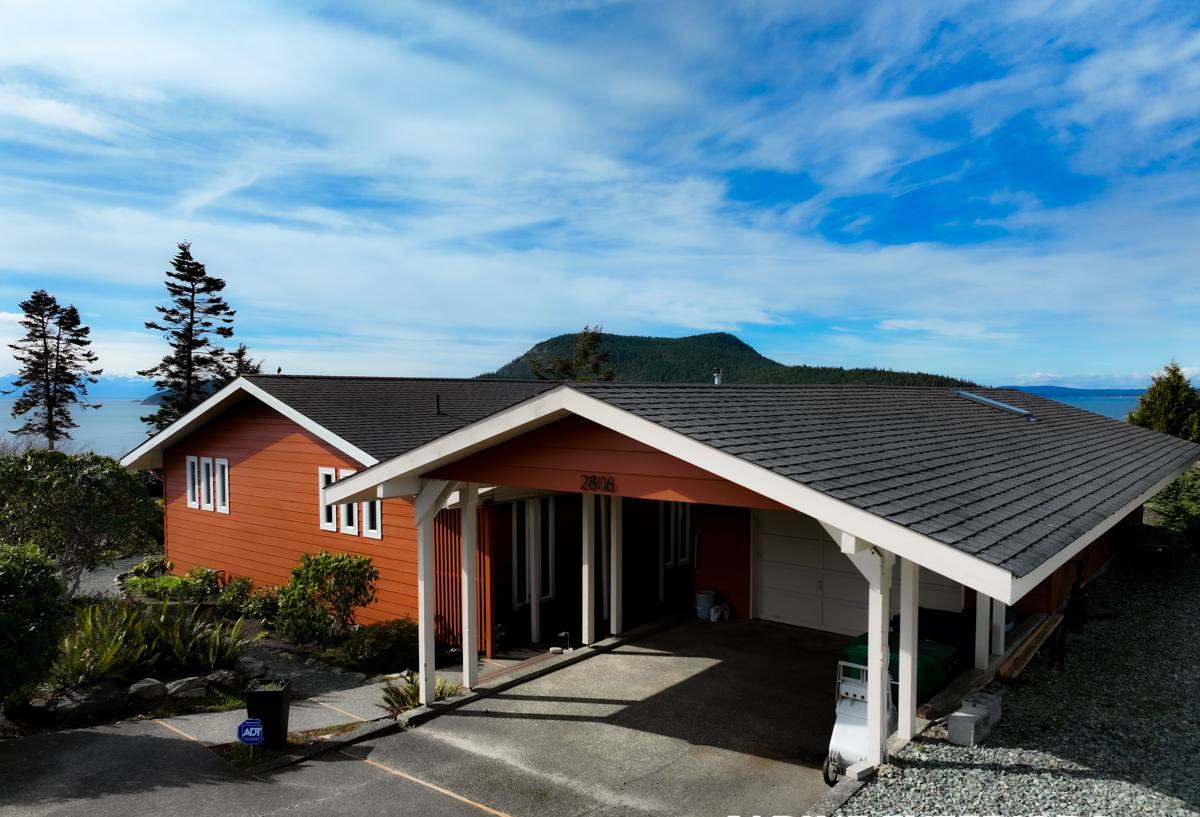
What Ellenton Homes Actually Face
Heat and UV Load
Central Florida sun is relentless on painted and coated surfaces. Cheaper coatings chalk, fade, and become brittle faster than most homeowners expect, and once a protective layer breaks down, whatever is underneath is exposed to moisture intrusion. This is true for siding, trim, and roofing alike.
Wind-Driven Rain
Manatee County doesn't need a hurricane to get punishing rain events — summer storms routinely bring heavy, sideways rain that tests every joint, flashing detail, and seam on a home's exterior. Products and installation methods that aren't specifically engineered for wind-driven moisture tend to show problems first around windows, doors, and butt joints in siding.
Salt Air and Humidity
Even away from the immediate waterfront, the Gulf Coast's humid, salt-influenced air accelerates corrosion of fasteners and metal components, and it keeps organic material like untreated wood damp longer than in drier climates — which is exactly the environment mold, rot, and pest damage need to take hold.
Storm Wind Exposure
Hurricane season puts sustained high winds and windborne debris into the equation. An exterior system is only as strong as its weakest attachment point, and that includes siding fastening patterns, roofing underlayment and nailing schedules, and window and door impact ratings.
Siding: Why We Only Install James Hardie
We install James Hardie fiber cement siding exclusively. We don't install vinyl, LP SmartSide, Cemplank, Allura, or primed wood products like spruce or cedar, and that's a deliberate professional standard, not a sales preference.
Vinyl siding is affordable and easy to install, but in a climate like ours it softens and can warp under sustained heat, and its color is baked all the way through the material rather than factory-finished with a UV-resistant topcoat, which means fading over time is built into the product. Engineered wood products like LP SmartSide perform reasonably well when installation and maintenance are followed to the letter, but they rely on a wood-strand core that is vulnerable if moisture ever gets past the coating — and in a humid, storm-prone area, that margin for error is thinner than we're comfortable with. Other fiber cement brands like Cemplank and Allura are legitimate fiber cement products, but we've standardized on one manufacturer so we can guarantee consistent installation training, consistent trim and accessory compatibility, and one warranty structure across every job. Primed spruce or cedar siding requires more diligent, more frequent maintenance than most homeowners realize going in, and in wind-driven rain and high humidity, gaps in that maintenance schedule show up as rot.
James Hardie fiber cement is non-combustible, dimensionally stable in heat and humidity, and finished with ColorPlus Technology — a factory-applied, baked-on finish that resists fading and chipping far better than field-applied paint. Hardie also engineers specific product lines (its HZ5 formulation) for high-humidity, high-moisture climates like Florida's, and backs the product with a strong, transferable limited warranty. When it's installed to Hardie's specifications — correct fastening, proper clearances, sealed joints — it holds up to the exact conditions Ellenton throws at a home's exterior year after year.
Hardie Product Lines We Work With
- HardiePlank lap siding — the most common choice, available in multiple textures and exposures
- HardiePanel vertical siding — often used for accent walls, gables, or modern architectural styles
- HardieShingle siding — a shingle-style look without the maintenance burden of real wood shakes
- HardieTrim boards — matched trim for window and door surrounds, corners, and fascia
Roofing Built to Take the Season Seriously
A roof is the first line of defense against wind-driven rain, and it's the component most directly tested by every summer storm and tropical system that passes through Manatee County. We evaluate the whole system, not just the shingles or tiles on top — underlayment quality, flashing at every penetration and valley, and proper attachment all matter as much as the surface material. A roof that looks fine from the ground can still have a compromised nailing pattern or degraded underlayment that only shows itself when a serious storm arrives.
Regular inspection matters here more than in milder climates. UV exposure and heat cycling break down roofing materials faster in Florida than in most of the country, and catching a small issue — a cracked tile, a lifted shingle edge, deteriorating sealant around a vent — before it becomes a leak is far cheaper than repairing interior water damage after the fact.
Windows That Handle Wind and Heat Together
Windows have to do two jobs at once in this climate: keep wind-driven rain and storm pressure out, and keep cooling costs down against near-constant heat. Impact-rated windows are worth serious consideration for homes in this area, particularly for anyone who wants to reduce shutter dependence during storm season. Beyond impact resistance, proper installation — correct flashing and sealing around the window opening — is what actually determines whether a window keeps water out during a wind-driven rain event. A high-quality window installed poorly will leak; a modest window installed correctly often won't.
Decks That Survive Sun, Rain, and Salt Air
Outdoor living is a big part of why people move to this part of Florida, and decks here take a beating from the same conditions as the rest of the exterior — UV breakdown on decking surfaces, moisture cycling in and out of fasteners and structural framing, and humidity that keeps wood-based materials damp longer than they'd like. Material choice, proper spacing for drainage and airflow, and corrosion-resistant fasteners all matter more here than they would in a drier climate. We build decks with that reality in mind rather than treating this as a mild-weather region.
Cost Factors to Understand Before You Budget
| Factor | Why It Affects Cost |
|---|---|
| Home size and siding square footage | Larger wall area means more material and labor hours |
| Number of stories | Multi-story homes require scaffolding or lift equipment, increasing labor cost |
| Existing exterior condition | Rot repair or substrate replacement adds cost beyond the siding itself |
| Trim and architectural detail | Complex trim, gables, and accent areas add labor time |
| Product line and finish | Textures, colors, and specific Hardie product selections vary in price |
| Roofing material and pitch | Steeper or more complex rooflines take longer to install correctly |
| Window impact rating | Impact-rated glass costs more upfront but reduces storm prep needs |
Why a Local Crew Matters
Exterior work in Ellenton isn't generic exterior work — it's work that has to account for this specific stretch of Manatee County's weather pattern, humidity level, and storm exposure. A crew that primarily works in a different climate may not default to the fastening patterns, flashing details, or moisture-management practices that matter most here. We work in this region regularly, which means we're not guessing at how a product or installation method holds up locally — we've seen what performs and what doesn't over repeated storm seasons.
Local presence also matters after the installation is done. If a question comes up, a warranty item needs attention, or a storm causes damage that needs a fast assessment, a crew that's actually based in the area can respond without the delays that come with a company operating far from the job site.
What to Look for When Hiring an Exterior Contractor
- Proper licensing and insurance for exterior construction work in Florida
- Manufacturer training or certification for the specific products being installed
- A clear, written scope of work — not a vague verbal estimate
- Willingness to explain why they use the products they use, not just what they cost
- References or a track record specific to this region's climate conditions
- A warranty that's explained clearly, including what's covered by the manufacturer versus the installer
If you're weighing siding, roofing, window, or deck work for a home in Ellenton, we're happy to take a look and talk through what actually makes sense for your property. Reach out for a free, no-pressure estimate using the form below.