 Bradenton
 Windows Built for a Barrier Island, Not Just a Warm Climate
Anna Maria Island sits out in front of everything the Gulf throws at it. Homes here take a different kind of beating than houses ten miles inland in Bradenton — more salt in the air, more direct sun reflecting off open water, more exposure to wind-driven rain that finds its way through the smallest gap in a window frame or the smallest crack in old glazing. Replacing windows on the island isn't the same job as replacing windows in a subdivision away from the coast, and it shouldn't be treated that way.
A window that's a good fit for a home a few miles inland can be the wrong choice a few blocks from the beach. The frame material, the glass package, the fasteners, and even the sealant all need to be selected with that exposure in mind. This page covers what Anna Maria Island homes actually need from a window replacement, what a correct installation looks like, and what to expect when you work with a crew that's used to island conditions.
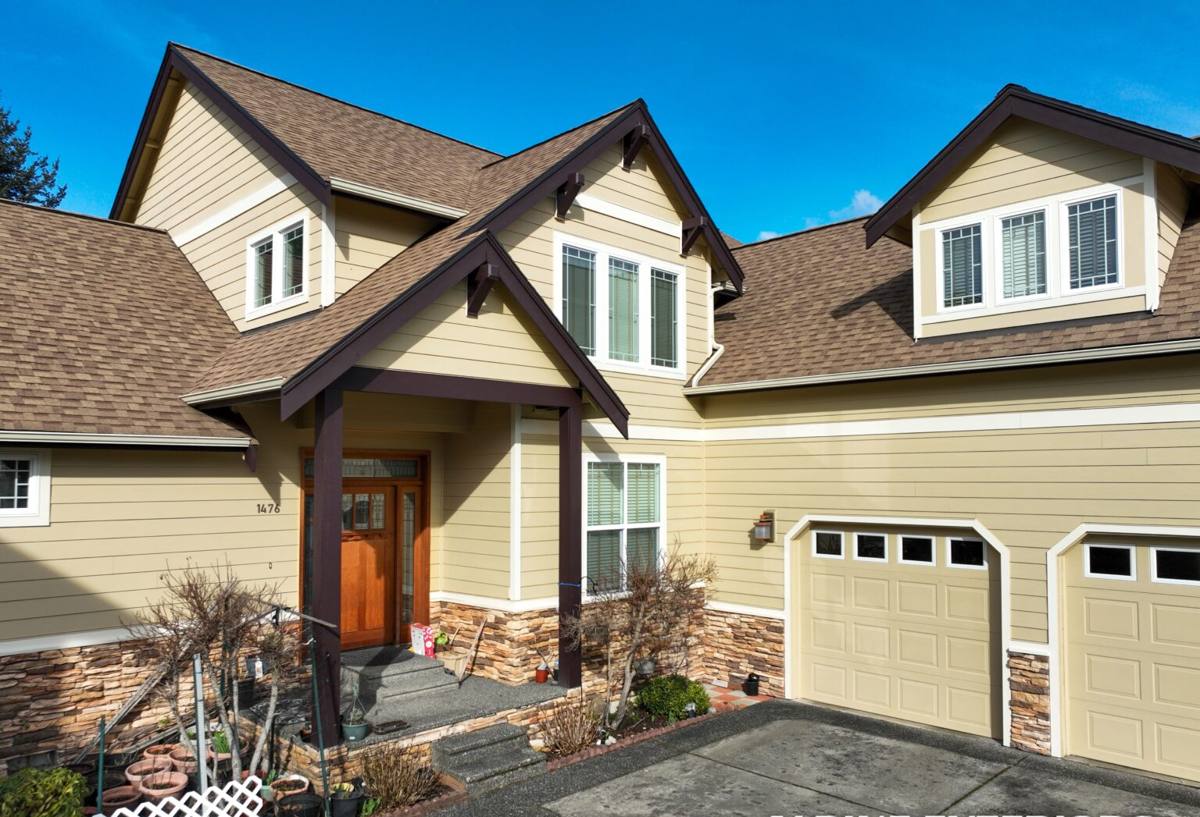
What the Island's Climate Actually Does to Windows
Salt Air and Corrosion
Salt carried in off the Gulf settles on everything — including window frames, hardware, and fasteners. Over years, that salt exposure corrodes weaker metals, pits hardware, and can cause some frame materials to pit, chalk, or degrade faster than the manufacturer's warranty literature assumes for a non-coastal install. This is one of the biggest reasons frame material selection matters more on Anna Maria Island than it does a few miles inland.
Wind-Driven Rain
Standard rain falls straight down. Wind-driven rain during a Gulf storm or a strong summer squall gets pushed sideways and upward, which means it tests parts of a window and its flashing that ordinary weather never touches. A window that's watertight in a light rain can still leak under wind pressure if it wasn't flashed and sealed correctly, or if the sealant has broken down with age.
Year-Round UV Exposure
Florida sun is intense most of the year, and homes with southern or western exposure on the island get very little relief from it. UV breaks down vinyl, degrades seals, and fades interior finishes near windows that don't have adequate glass coatings. Over time this shows up as brittle weatherstripping, discolored frames, and higher cooling bills as older glass loses its ability to block heat.
Wind-Borne Debris Rules and What They Mean for Your Replacement
Anna Maria Island falls within Florida's coastal wind-borne debris region under the Florida Building Code. In practical terms, that means replacement windows in this area generally need to either be impact-rated (able to resist debris impact and hold up under the wind pressures common to coastal exposure) or be paired with code-compliant shutters or protection. New installations also need to meet the design pressure ratings appropriate to the home's location and height, which can vary block to block depending on exposure.
This isn't a box to check — it affects what products are even eligible for your home, and it affects permitting. Manatee County and the island's local municipalities each handle permitting for exterior work, and a replacement window project on Anna Maria Island typically requires a permit and inspection, not just a swap-and-go install. A contractor who pulls permits regularly on the island already knows which documentation and product approvals the local building department expects, which keeps your project from stalling in review.
Choosing the Right Frame and Glass for Coastal Exposure
There's no single "best" window for every home — the right choice depends on your home's exposure, your budget, and how much long-term maintenance you're willing to take on. Here's how the common frame materials compare for a barrier island environment specifically:
| Frame Material | Salt Air Resistance | Wind Performance | Maintenance | Relative Cost |
|---|---|---|---|---|
| Vinyl (impact-rated) | Good — won't corrode, but lower-grade vinyl can chalk or degrade under intense UV | Strong when properly reinforced and rated | Low | $ |
| Aluminum | Fair — prone to pitting and corrosion near salt spray unless coated and maintained | Very strong; common in impact-rated coastal products | Moderate — coatings need occasional attention | $$ |
| Fiberglass/Composite | Excellent — highly resistant to corrosion and UV degradation | Strong | Low | $$$ |
Glass matters as much as frame material. Impact-rated windows use laminated glass — two panes bonded around an interlayer that holds the glass together if it's struck, rather than shattering outward. Beyond impact resistance, look at the glass coating (low-E coatings cut UV and heat transfer, which matters on a home with year-round sun exposure) and the spacer system between panes, which affects how well the unit resists fogging and seal failure over time in a humid, salty environment.
What a Correct Installation Actually Involves
The window product itself is only part of the equation — how it's installed determines whether it performs the way it's rated to. A poorly installed impact window can still leak or underperform in wind, while a well-installed mid-range window will often outlast a premium window that was rushed in. On Anna Maria Island specifically, we pay close attention to:
- Removing the old window and inspecting the rough opening and surrounding framing or substrate for hidden water damage before anything new goes in
- Installing a proper sill pan and flashing sequence so any water that gets past the window sheds outward, not into the wall cavity
- Using fasteners and anchoring rated for the home's actual wind design pressure, not just a generic screw pattern
- Sealing with coastal-grade sealants suited to salt exposure and UV, applied in the correct order relative to flashing
- Tying the new window into the existing exterior finish — stucco, siding, or hardieboard — cleanly, so the seam doesn't become a future leak point
- Confirming the finished install meets the product's tested design pressure rating and local code, not just that it "looks sealed"
Every one of these steps matters more on the island than it would on a home set back from the coast, because the margin for error under wind-driven rain and salt exposure is smaller.
Our Process for Anna Maria Island Window Projects
- On-site assessment. We look at your home's exposure, existing window condition, framing, and any signs of past water intrusion — not just take measurements.
- Product selection. We walk through frame material, glass package, and design pressure requirements for your specific home and location on the island.
- Permitting. We handle the permit application with the appropriate local building department and make sure the selected product has the required approvals on file.
- Installation. Removal, inspection of the opening, proper flashing and sealing, and correct anchoring for the home's wind rating.
- Final inspection and walkthrough. We confirm the work passes required inspections and walk you through operation, hardware, and basic care.
Why It Matters That We Already Work on the Island
Getting a crew and materials to Anna Maria Island takes planning — bridge traffic, limited parking, and tighter lots than you'll find on the mainland all affect how a job gets staged and scheduled. A contractor who already works the island regularly has that logistics figured out, along with a working relationship with the local permitting offices and a feel for how different blocks and exposures on the island vary in wind and salt intensity. That familiarity translates into fewer surprises and fewer permitting delays for you.
It also means we're not guessing at what fails first in this environment. We see the same patterns repeatedly on island homes — corroded hardware, degraded sealant, UV-brittle weatherstripping — and that shapes which products and installation details we recommend rather than defaulting to whatever is standard for an inland Bradenton or broader Manatee County home.
Protecting Your Investment After Installation
Even a correctly installed, properly rated window benefits from basic upkeep in this environment. A few habits go a long way on Anna Maria Island specifically:
- Rinse frames and hardware periodically with fresh water to reduce salt buildup, especially after storms with onshore wind
- Check exterior sealant lines annually for cracking or separation, particularly on southern and western exposures
- Operate locks and hardware regularly so corrosion doesn't get a chance to set in on parts that go unused
- Have screens and weep holes checked periodically so water has a clear path to drain away from the frame
None of this replaces a correct installation — it just protects the investment once the work is done.
If you're weighing a window replacement for a home on Anna Maria Island, we're happy to take a look and talk through what your specific exposure calls for. Fill out the form below for a free, no-pressure estimate — no obligation, just an honest assessment of what your windows need.