 Bradenton
 Why Siding Quotes Vary So Widely
Ask three contractors to price a siding job on the same Bradenton house and you'll often get three very different numbers. That's not because someone is padding the bill or someone else is lowballing to win the job — it's because siding replacement has more moving parts than most homeowners realize going in. Material, labor scope, wall condition, and local code requirements all stack together, and each one can swing the total by thousands of dollars.
This page walks through what actually drives the price of a siding replacement in Manatee County, so you can read a quote and understand what you're paying for instead of just comparing bottom-line numbers.
The Core Cost Factors
Before any material gets nailed to a wall, several variables are already shaping the price. Here's how they typically stack up.
| Factor | Why It Matters |
|---|---|
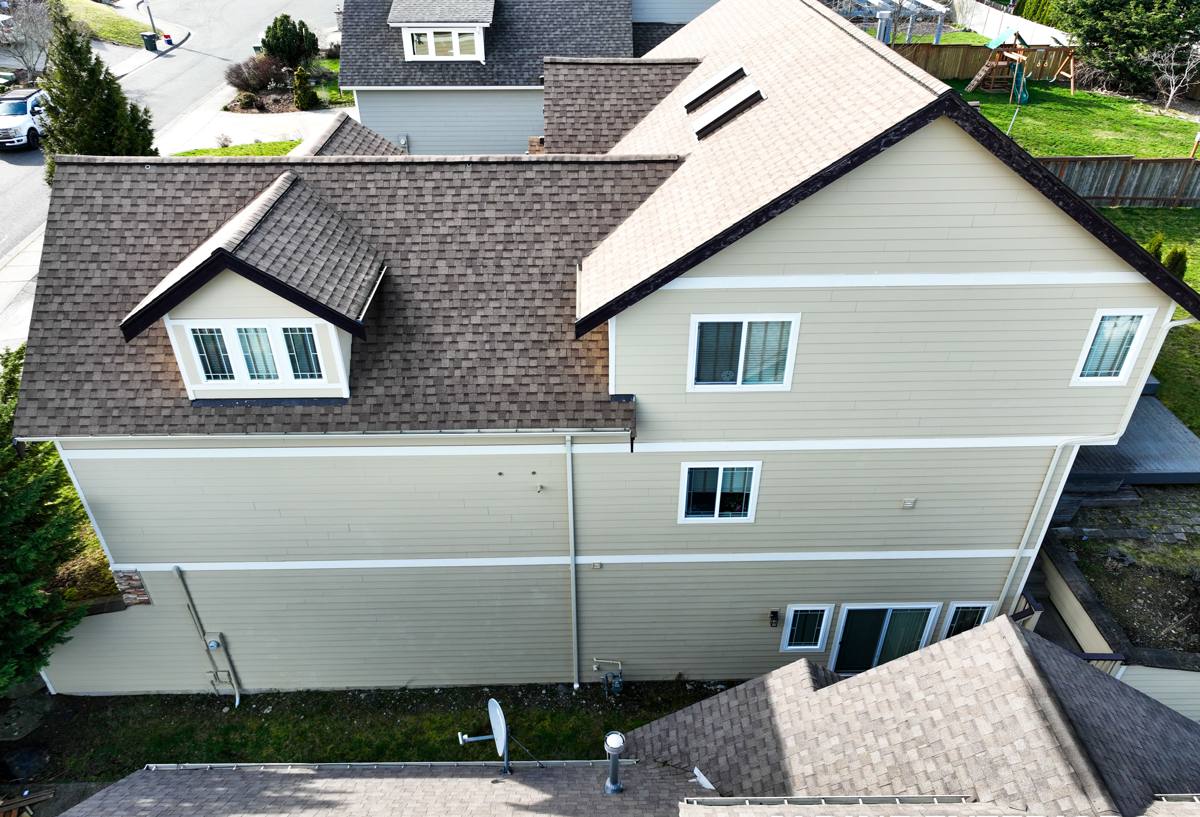
| House size and shape | More square footage means more material and labor hours, but a simple rectangular footprint installs faster per square foot than a house with lots of corners, gables, and dormers. |
| Number of stories | Two-story and three-story homes require scaffolding or lift equipment, more safety setup, and slower, more careful work at height. |
| Tear-off vs. install over existing siding | Removing old siding, disposing of it, and inspecting the wall underneath adds labor and dump fees that a straightforward re-side over sound sheathing doesn't. |
| Substrate condition | Rotted sheathing, water-damaged framing, or old stucco cracks found once the old siding comes off require repair before new siding goes up — and you often can't know the full extent until demo starts. |
| Material choice | Vinyl, engineered wood, and fiber cement have different material costs per square foot and different labor requirements to install correctly. |
| Trim and detail work | Window and door trim, corner boards, fascia, and soffit work are often priced separately and can add up fast on a detailed elevation. |
| Finish | Factory-applied finishes cost more upfront than field-painted siding but eliminate a painting line item and last significantly longer. |
| Permits and code requirements | Manatee County's wind-load and fastening requirements affect what installation methods are allowed and how much labor a compliant install takes. |
Material Choice Moves the Number More Than Anything Else
Of everything on that list, material selection has the single biggest effect on both the upfront price and what you'll be dealing with ten and twenty years down the road.
Vinyl Siding
Vinyl is the least expensive material to buy and among the fastest to install, which is why it shows up so often in budget quotes. The trade-off is durability in this climate: vinyl softens and can distort in sustained high heat, it's more vulnerable to impact damage from wind-driven debris, and its color is baked into the panel rather than a separate finish layer, so fading over years of intense Florida UV exposure isn't something you can simply repaint over without replacing panels.
Engineered Wood (LP SmartSide and Similar Products)
Engineered wood siding sits in the middle of the price range and has a wood-grain look that some homeowners prefer. It's a wood-based product, though, which means it depends heavily on caulking, flashing, and paint maintenance staying intact to keep moisture out. In a coastal, high-humidity environment with frequent wind-driven rain, any gap in that maintenance schedule creates an opening for moisture to reach the wood fiber core.
Fiber Cement
Fiber cement costs more than vinyl and is generally priced similarly to or above engineered wood, but it's a cement-and-cellulose composite rather than a wood or plastic product. It doesn't burn, it doesn't soften in heat, and it holds paint and factory finishes far longer than vinyl holds its color. It's also heavier and requires correct fastening and clearances to perform as designed, which is why installation labor and installer experience matter more with this material than with vinyl.
This is the material we install exclusively. We don't offer vinyl, LP SmartSide, or unfinished wood siding options — not because they don't have a place in the market, but because after years of servicing homes on the Gulf Coast, we've standardized on James Hardie fiber cement as the product that holds up best against what this region actually throws at a house: hurricane-force wind events, relentless UV, wind-driven rain, and salt air working on a home year-round.
What "Price Per Square Foot" Doesn't Tell You
Siding quotes often get compared on a simple price-per-square-foot basis, but that number can be misleading if you don't know what's included. A quote that looks cheaper per square foot might exclude tear-off and disposal, price trim and corner work as separate add-ons, use a thinner or shorter-warranty product line, or skip housewrap and flashing details that a more thorough installer includes as standard. The only way to compare quotes accurately is to ask exactly what scope is covered — material, tear-off, disposal, trim, house wrap, flashing, and paint or finish — and get that broken down in writing rather than relying on the headline number.
Tear-Off and Substrate Repair: The Hidden Cost Surprise
The most common reason a siding project costs more than the original estimate isn't a change in material or design — it's what gets found once the old siding comes off. Sheathing behind old vinyl or aging wood siding can be soaked, delaminated, or rotted in spots, especially around windows, doors, and lower wall sections where water tends to collect. A contractor can give you a reasonable estimate based on visible condition and the age of the home, but nobody can guarantee what's under the surface until it's exposed.
The honest way to handle this is a clear per-square-foot or per-sheet repair rate agreed on before work starts, so if rotted sheathing does turn up, you already know the cost rather than negotiating it mid-project. Be wary of any quote that doesn't address this possibility at all — it usually means either the contractor hasn't done many tear-off jobs, or the repair cost is going to be a surprise later.
Labor and Installation Quality
Labor is often the largest single line item in a siding job, and it's also the easiest place for corners to get cut without a homeowner noticing until years later. Correct fiber cement installation involves specific nail patterns, gaps at butt joints for expansion, proper flashing at every window and door, and correct clearance from the roofline and ground. Skipping these details doesn't show up on installation day — it shows up as cracking, moisture intrusion, or premature finish failure years down the road, often after the labor warranty has expired.
This is part of why two quotes for the "same" fiber cement job can differ by a meaningful margin. A lower labor price sometimes reflects a faster crew cutting corners on flashing and fastening detail rather than genuine efficiency.
Regional Factors That Affect Cost in Bradenton
Manatee County's building code and climate both play into what a compliant, durable installation actually requires here.
- Wind resistance: Florida's wind-load requirements affect fastening schedules and, in some cases, the specific siding profile or installation method allowed — compliant installation takes more attention than a similar job in a low-wind-zone state.
- Salt air: Homes closer to the coast see accelerated wear on fasteners, trim, and unprotected finishes, which is part of why corrosion-resistant fasteners and a factory-baked finish matter more here than inland.
- UV exposure: Bradenton gets intense sun essentially year-round, which fades and breaks down lower-quality finishes faster than in milder climates.
- Wind-driven rain: Storms here don't just fall straight down — rain gets pushed sideways into wall assemblies, which makes flashing and water-management detail behind the siding as important as the siding material itself.
None of these factors change dramatically from one Bradenton neighborhood to the next, but they do mean a siding system engineered and tested for hot, humid, storm-prone climates generally performs more predictably here than a general-purpose product built for a milder region.
Warranty Terms and What They're Actually Worth
Warranty length gets mentioned in almost every siding sales pitch, but the terms matter more than the number of years printed on the brochure. Key questions to ask about any warranty: Is it transferable if you sell the home? Does it cover the finish separately from the substrate material? Is it prorated, meaning the payout shrinks over time? And is the manufacturer still a company that's likely to exist and honor claims decades from now? A strong warranty with clear, non-prorated terms and a track record of manufacturer stability is worth more than a longer warranty with vague exclusions.
A Practical Checklist for Comparing Siding Quotes
When you're collecting quotes for a siding replacement, use this list to make sure you're comparing the same scope of work:
- Does the quote include tear-off and disposal of existing siding, or is that separate?
- What is the per-square-foot or per-sheet rate for unexpected sheathing repair?
- Is trim, corner board, fascia, and soffit work included or itemized separately?
- Is housewrap or a water-resistive barrier included, and is it specified by brand?
- Is the finish factory-applied or field-painted, and what does that finish's warranty cover?
- What fastener type is specified, and is it corrosion-resistant for coastal exposure?
- Are permits and code-required inspections included in the price?
- What does the labor warranty cover, and for how long?
Getting a Number You Can Actually Trust
The most reliable way to understand what your specific project will cost is a walk-through of your home, not a phone estimate or a generic square-footage calculator. Wall condition, trim complexity, and access all vary house to house, and those details are exactly what separates an accurate quote from a guess that grows once work begins.
If you're weighing a siding replacement on your Bradenton home, we're happy to walk the property, look at what's actually going on with your current siding and substrate, and put together a clear, itemized estimate — no pressure, no obligation. Use the form below to request a free estimate.