 Bradenton
 Building on a Barrier Island
Longboat Key sits between the Gulf of Mexico and Sarasota Bay, and that position shapes everything about how a home's exterior ages here. Homes on the island are closer to salt spray, direct sun, and open-water wind than almost anywhere else in the Bradenton area. That's part of why people love living here — and it's exactly why exterior materials and workmanship that hold up fine a few miles inland can fail early once they're facing the open Gulf.
We work throughout Manatee County, and Longboat Key gets treated as its own case every time. A roof, siding job, window install, or deck here has to be specified and installed with barrier-island exposure in mind from the start, not as an afterthought.
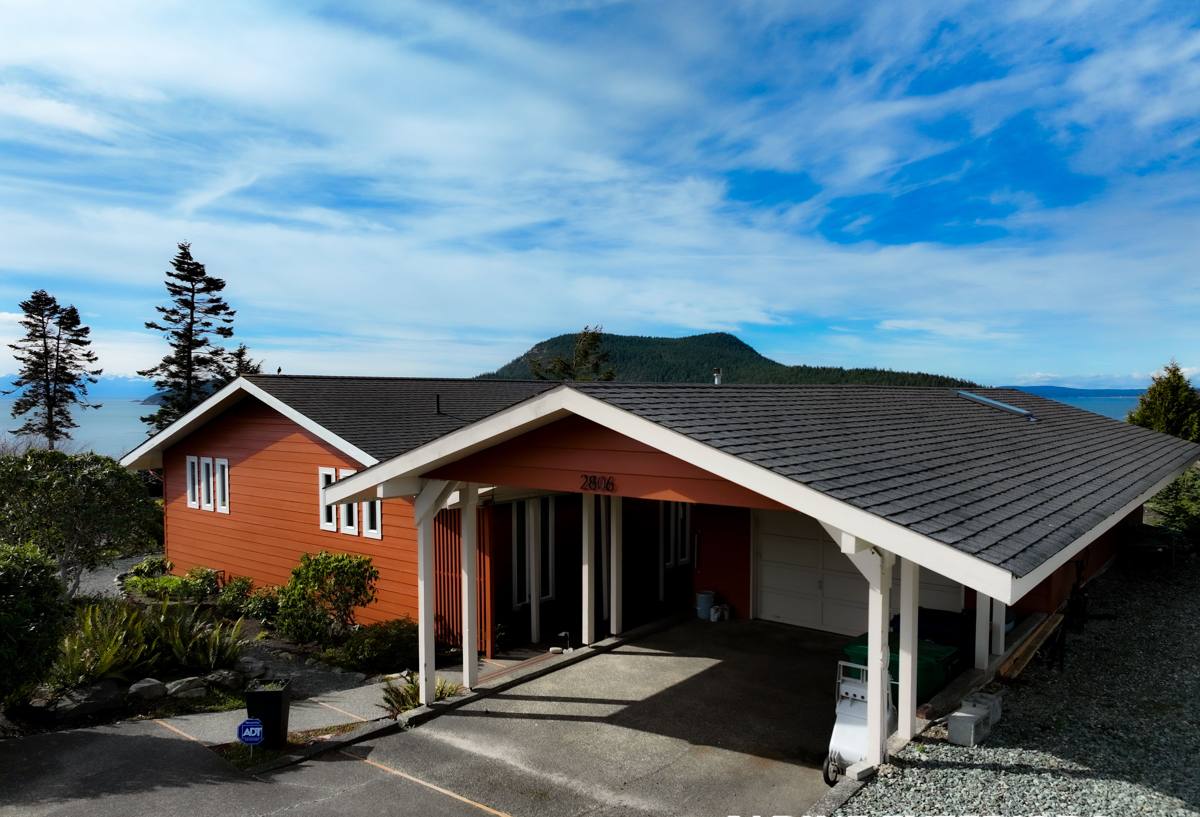
What the Climate Actually Does to a Home Here
A few things combine on Longboat Key in ways that are worth naming specifically:
- Hurricane-force wind exposure. Open water on both sides means wind loads on an island home can run higher than the same house set back inland, and wind-driven rain gets forced into any gap in the building envelope during a storm.
- Constant salt air. Airborne salt doesn't just show up during storms — it's a daily presence. It accelerates corrosion of fasteners, hardware, and untreated metal, and it degrades paint and coatings faster than inland exposure.
- Intense, year-round UV. Florida sun is hard on exterior finishes everywhere, but the reflected glare off open water adds to the UV load on siding, trim, and roofing on the Gulf and bay sides of a home.
- Wind-driven rain intrusion. Even without a named storm, routine thunderstorms on the island push rain sideways into wall assemblies, window frames, and deck ledger connections in a way calmer inland weather doesn't.
None of this means an island home can't hold up well — plenty do, for decades. It means the materials and details matter more here, and there's less room for shortcuts.
Siding on Longboat Key: Why We Only Install James Hardie
We install James Hardie fiber cement siding exclusively. We don't install vinyl, LP SmartSide, Cemplank, Allura, or bare wood siding like primed spruce or cedar. That's a deliberate standard, not a lack of options, and on a barrier island it matters more than almost anywhere else we work.
Vinyl siding softens, warps, or cracks under sustained high heat and direct sun, and it's rated for lower wind resistance than fiber cement — a real consideration on a site with open-water wind exposure. Wood-based and engineered-wood sidings depend on an intact factory or field-applied coating to keep moisture out; once that coating is compromised by UV, salt, or a missed maintenance cycle, the substrate underneath is vulnerable to swelling and rot. Salt air accelerates all of these failure modes compared to inland conditions.
James Hardie fiber cement is engineered differently. It's non-combustible, dimensionally stable in heat and humidity, and available in HZ5 formulations built for Florida's climate zone. The ColorPlus factory finish is baked on under controlled conditions rather than field-applied, which gives it better UV and moisture resistance than a job-site paint job, and it carries a strong transferable warranty. It won't rot, and it doesn't provide the fuel source that wood-based sidings do. That combination — moisture resistance, wind performance, and UV stability — is why it's the only siding we put on homes, and why we think it's the right call specifically for an island property.
Fastener and Detail Choices Matter Here
Salt air is hard on metal. On Longboat Key jobs we pay close attention to fastener material and flashing details around windows, corners, and roof-to-wall transitions, because a corroding fastener or a poorly lapped flashing detail is often where a wind-driven rain problem starts, long before the siding material itself is the issue.
Roofing for High Wind and Salt Exposure
A roof on Longboat Key has to do two jobs at once: shed water in a wind-driven rain event, and survive years of salt air and UV without losing granules, fasteners, or seal strength. We look at underlayment quality, fastening patterns, and flashing at every penetration and edge as the real determinants of how a roof performs in a named storm — the field material matters, but the details around edges, valleys, and penetrations are usually where failures start.
Roof edge and eave detailing deserves particular attention on open-exposure island lots, since wind uplift forces concentrate at edges, ridges, and corners. We also check attic and soffit ventilation, since salt-laden humid air trapped in an attic space accelerates corrosion of any exposed metal fasteners or connectors up there over time.
Windows: Wind, Water, and Efficiency
Window performance on a barrier island comes down to two ratings working together: impact resistance and water infiltration resistance under wind pressure. A window can be rated for the right design pressure and still leak if it's flashed or sealed incorrectly, which is why installation detail matters as much as the product spec sheet.
Beyond storm performance, well-installed, well-sealed windows cut down on the salt-laden humid air infiltration that drives corrosion and mildew issues inside a home near the water, and they reduce cooling loads in a climate where the AC runs most of the year.
Decks and Outdoor Living Near the Water
Outdoor living is a big part of why people choose Longboat Key, and decks here take a real beating — full sun exposure, salt spray, and frequent rain all hit deck surfaces, railings, and structural connections directly, with no siding or roofline to shield them. Ledger attachment, fastener corrosion resistance, and drainage away from the structure are the details that determine whether a deck holds up or becomes a recurring maintenance headache. We build and repair decks with those exposures in mind rather than treating them as a standard inland build.
Why a Local, Experienced Crew Matters on the Island
Longboat Key isn't a generic Florida job site. Barrier-island logistics — bridge access, tighter lots, HOA and condo association requirements that vary building to building, and wind/flood-zone-driven permitting — all shape how a project needs to be planned and staged. A crew that regularly works the island knows what inspectors and associations here expect, understands the wind exposure categories that apply to Gulf-front versus bay-side lots, and doesn't need to relearn those details on your job.
That local familiarity, paired with materials chosen for coastal exposure rather than general-purpose use, is what keeps an exterior project from becoming a repeat expense a few years down the line.
Material Trade-offs in a Salt-Air, High-Wind Climate
| Material | Salt-air resistance | Wind/impact performance | Maintenance burden |
|---|---|---|---|
| Vinyl siding | Moderate — can chalk and fade | Lower wind rating than fiber cement; softens/warps in sustained heat | Low, but limited repairability |
| Untreated/primed wood siding | Poor — coating failure exposes substrate to rot | Variable; depends on species and install | High — regular repainting and sealing |
| Engineered wood siding | Moderate — depends on coating integrity | Good when installed and sealed correctly | Moderate — edge sealing is critical |
| James Hardie fiber cement | Strong — non-combustible, dimensionally stable | Engineered HZ5 lines built for Florida wind/moisture exposure | Low — factory ColorPlus finish resists fading and chalking |
What to Watch For and What to Ask a Contractor
A few things worth checking on your own home, and a few questions worth asking anyone you're considering hiring for exterior work on the island:
- Look for chalking, fading, or soft spots on siding, especially on Gulf- or bay-facing walls that take the most direct sun and spray.
- Check window and door frames for corroded fasteners or hardware, and for any staining that suggests water intrusion around the frame.
- Inspect deck ledger boards, railing posts, and fastener heads for rust streaking or looseness.
- After any named storm, walk the roofline for lifted shingles, exposed fasteners, or damaged flashing at valleys and edges.
- Ask any contractor what wind design pressure their materials and installation are rated for on your specific lot exposure.
- Ask whether they've worked on Longboat Key before and understand the permitting and HOA/condo process here.
- Confirm in writing what siding, roofing, and window products they install — and why.
What a Project Looks Like
We start with an on-site look at the specific exposure your home faces — Gulf-front, bay-side, or interior lot on the island each carry different wind and salt considerations. From there we walk through material options within our standards, realistic cost ranges, and a timeline that accounts for permitting and, where relevant, HOA or condo association review. We handle siding, roofing, windows, and decks, so a full exterior refresh can be coordinated as one project instead of several disconnected ones.
If you're weighing exterior work on a Longboat Key home — whether it's a full siding replacement, a roof nearing the end of its service life, window upgrades, or a deck rebuild — we're glad to take a look and put together a straightforward, no-pressure estimate. Use the form below to get started.