 Bradenton
 Why Roofing Quotes Vary So Much
Ask three roofing contractors in Bradenton to price the same house and you'll often get three different numbers. That's not necessarily a sign that someone is overcharging or underbidding — a roof quote is really a bundle of separate decisions: material, roof complexity, what's underneath the shingles or tile, code requirements, and how the crew handles tear-off and disposal. Understanding those pieces individually makes it much easier to compare quotes honestly instead of just picking the lowest number on the page.
In Manatee County, there's an added layer most homeowners in other parts of the country don't deal with: your roof has to be built and rated to survive hurricane-force wind, wind-driven rain, and sustained UV exposure that ages materials faster than it does in milder climates. That reality shapes almost every cost factor below.
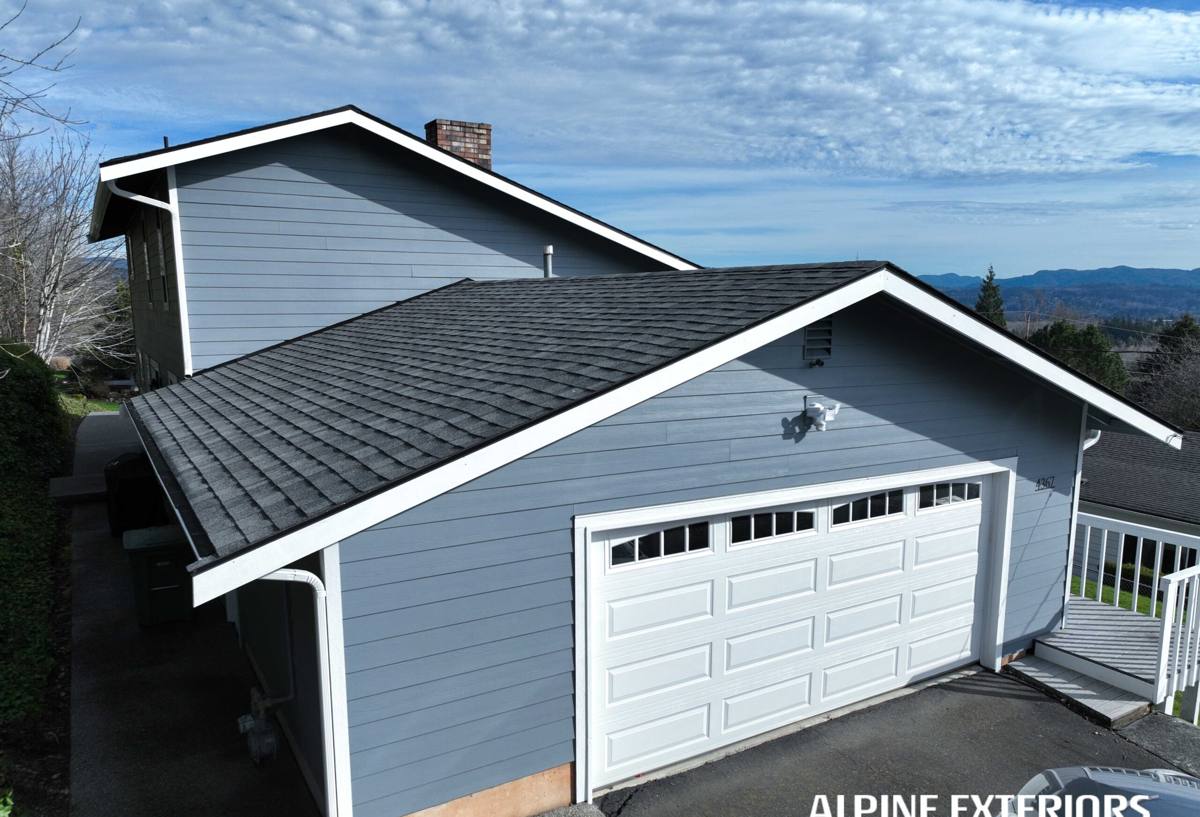
Material Choice: The Biggest Cost Lever
Material is usually the single largest factor in the final price, and it's also where homeowners have the most control. Here's how the common options compare on cost, lifespan, and how they hold up locally.
| Material | Relative Cost | Typical Lifespan | Notes for Bradenton |
|---|---|---|---|
| Asphalt shingle (3-tab) | Lowest | 15-20 years | Budget option; shorter service life in high UV and salt air |
| Architectural / dimensional shingle | Low-mid | 20-30 years | Better wind rating than 3-tab; the most common re-roof choice locally |
| Metal (standing seam or panel) | Mid-high | 40-50+ years | Excellent wind and rain performance; higher upfront cost, lower long-term cost |
| Concrete or clay tile | High | 40-50+ years | Common on Florida homes; heavier, requires structure to support it, individual tiles can crack in storms |
| Flat / low-slope membrane (TPO, modified bitumen) | Mid | 15-25 years | Used on additions, porches, and some mid-century homes |
None of these is universally "the best" — the right call depends on your budget, how long you plan to stay in the home, your roof's structure, and your tolerance for maintenance. A metal or tile roof costs more today but can outlast two or three shingle roofs, which changes the real cost-per-year even if the sticker price is higher.
Don't Skip the Underlayment Conversation
The shingles or tiles are what you see, but the underlayment — the water barrier between the roof deck and the visible roofing material — matters just as much for how the roof performs in wind-driven rain. Synthetic underlayment and self-adhering peel-and-stick membranes at eaves, valleys, and penetrations cost more than old-style felt paper, but they're a meaningful upgrade in a climate where storms regularly push rain sideways under shingle edges.
Roof Size, Pitch, and Complexity
Two houses with the same square footage can have very different roofing costs because of shape. A simple rectangular roof with two slopes is faster and cheaper to install than a roof with multiple valleys, dormers, hips, and steep pitches. Steeper roofs also require more safety equipment and slow the crew down, which shows up in labor cost. When you're comparing quotes, ask whether the contractor measured your actual roof area (including waste factor for cuts and overlaps) or estimated from your home's floor plan — the two numbers are not the same, and a rough estimate can lead to a surprise change order later.
Tear-Off and What's Underneath the Old Roof
Most re-roofs in this area involve a full tear-off to bare decking rather than a layover, and for good reason: layovers trap moisture, add weight, and can void material warranties. Tear-off cost depends on how many layers of old roofing need to come off and how the debris gets hauled away.
Once the old roof is off, the decking underneath gets inspected. Plywood or OSB decking that's been holding moisture — often from a slow leak that wasn't obvious from inside the house — may have soft spots or rot that need to be replaced before new roofing goes down. This is genuinely hard to quote with certainty before tear-off, which is why a contractor who gives you an exact, guaranteed final price sight unseen may be leaving out a step. A better practice is a solid base bid plus a clear, per-sheet price for any decking replacement, agreed on before the work starts.
Wind Codes and Permits in Manatee County
Florida's building code, and Manatee County's permitting process on top of it, sets minimum standards for wind uplift resistance, fastening patterns, and underlayment in coastal and near-coastal zones. A re-roof isn't just a materials swap — it's a permitted job that gets inspected, and the fastening schedule, nailing pattern, and attachment method your roof needs are determined by your home's wind zone, not by what's fastest for the crew.
This matters for cost in two ways. First, code-compliant installation (proper nail count, ring-shank fasteners, correct underlayment attachment) takes more labor time than a quick, non-compliant job — so a bid that's dramatically cheaper than everyone else's may be cutting corners that won't be visible until the next major storm. Second, permit fees and required inspections are a real, unavoidable line item; if a contractor's price doesn't include the permit, ask directly who is pulling it and who is responsible if it's missed.
- Confirm the contractor is pulling a permit through Manatee County (or the applicable municipality) — not skipping it.
- Ask what wind uplift rating the proposed system is designed and installed to meet.
- Ask whether the quote includes the fastening pattern and underlayment required for your home's specific wind zone, not a generic minimum.
Labor, Timing, and Crew Experience
Labor cost reflects crew size, experience, and how busy the roofing market is at the time. After a major regional storm, demand for roofing labor spikes and so do prices and wait times — this is worth factoring into timing if your roof is aging but not yet failing. A well-run crew that shows up with enough people to complete tear-off and dry-in the same day (getting your home weathertight before a rain event) is worth more than a crew that stretches the job over a week and leaves your decking exposed overnight.
Warranty: Material vs. Workmanship
Roofing warranties come in two separate pieces, and it's worth understanding the difference before you sign anything:
- Manufacturer material warranty — covers defects in the shingles, metal, or tile themselves. Length and terms vary significantly by product line and whether the installer is certified by the manufacturer.
- Contractor workmanship warranty — covers installation errors: flashing, fastening, underlayment application. This is the warranty that actually protects you against a leak caused by how the roof was put on, not a product defect.
A long material warranty means little if the installer doesn't offer a meaningful workmanship warranty behind it — most roof leaks trace back to installation and flashing details, not defective shingles.
When a Re-Roof Is the Right Time to Look at the Rest of the Exterior
Because a re-roof already puts scaffolding, ladders, and a crew on your home, it's a practical time to have your fascia, soffit, and siding condition evaluated at the same time — especially anything that's been absorbing the same UV and salt air exposure as your old roof for just as many years. Rotted fascia boards or failing soffit panels are often discovered during tear-off anyway, since they sit right at the roofline.
If that inspection turns up siding that's reaching the end of its life, we install James Hardie fiber cement exclusively for that work — it's non-combustible, holds up to Florida's UV and humidity without the swelling or moisture problems that plague wood-based and some engineered siding products, and its factory-applied ColorPlus finish is built to hold color in intense sun far longer than field-applied paint. We're not going to upsell you into a siding job during a roof estimate, but if you're already looking at exterior work, it's worth knowing what we recommend and why.
What to Ask For in Every Roofing Quote
Use this checklist when comparing bids so you're evaluating apples to apples:
- Full tear-off to bare decking, not a layover, with disposal included
- Exact underlayment type and where peel-and-stick membrane will be used (valleys, eaves, penetrations)
- Fastening pattern and wind uplift rating matched to your specific wind zone
- A clear, agreed-upon price for any decking replacement discovered during tear-off
- Confirmation the permit is being pulled, by whom, and under whose license
- Manufacturer material warranty terms, including whether the installer's certification level affects coverage
- A separate written workmanship warranty from the contractor, with its actual length
- A realistic timeline, including whether the home will be dried-in the same day tear-off starts
A roof is one of the largest single investments you'll make in a home, and it's also the system standing between your house and every hurricane season Bradenton sees. If you'd like a straightforward, written estimate that walks through these factors for your specific roof, we're happy to take a look — no pressure, no hard sell, just an honest number based on what your home actually needs.