 Bradenton
 Storm Damage Roof Repair in Tara, Bradenton
Tara is one of the established residential communities on the east side of Bradenton, known for mature landscaping, tree cover, and a mix of tile and shingle roofs that have been through more than a few Florida storm seasons. Roofs here take a steady beating that has little to do with any single dramatic event. It's the accumulation: hurricane-force wind gusts that lift and stress roofing materials, wind-driven rain that finds every weak seam, intense year-round UV that dries out and embrittles shingles and sealants, and salt-laden air drifting in off the Gulf that speeds up corrosion on fasteners, flashing, and metal roof components. By the time a homeowner notices a stain on the ceiling, the roof has usually been compromised for a while.
This page covers what storm damage roof repair actually involves for a Tara home, what a correct repair looks like, and how our process works from first call to final inspection.
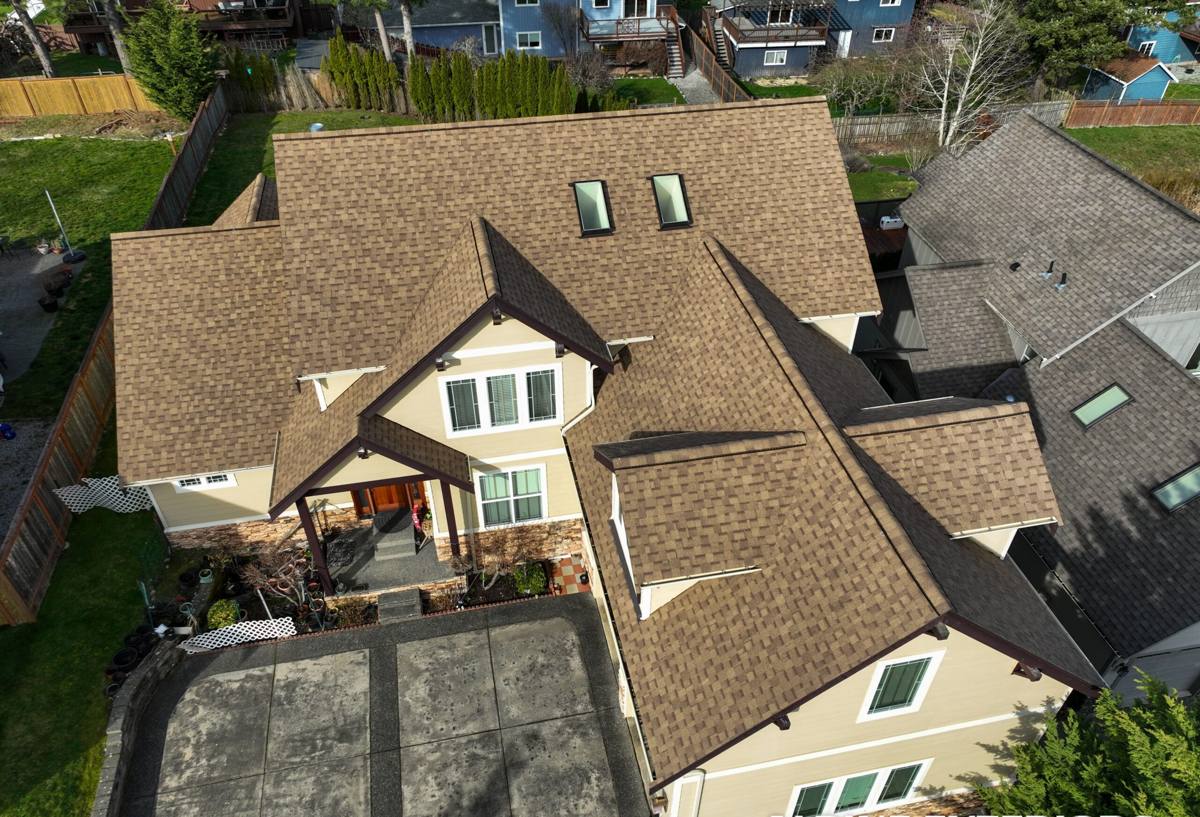
What Bradenton's Climate Does to a Roof Over Time
Manatee County sits in a hurricane-exposed part of the Gulf Coast, which means every roof in Tara is engineered and installed with wind resistance in mind — but "wind resistant" isn't the same as "wind proof." Sustained gusts and short, violent bursts during storms put uplift pressure on shingles, tiles, and the underlayment beneath them. Over repeated storm cycles, fasteners work loose, adhesive seals weaken, and edges that were once tight start to lift.
Add to that Florida's UV load, which is intense even outside of storm season. Constant sun exposure dries out asphalt shingle oils and breaks down sealant strips faster than in most of the country, making materials more brittle and more likely to crack or tear when the next wind event hits. Salt air, common throughout coastal Manatee County, accelerates rust on nails, screws, and metal flashing — often the first point of failure long before the shingles themselves give out.
Common Types of Storm Damage We Find on Tara Roofs
Wind Damage and Shingle Lift
Creased, torn, or missing shingles are the most visible sign of wind damage. Less visible is shingle lift — where the seal has broken but the shingle hasn't detached yet. It looks fine from the driveway but leaves an open path for water during the next rain.
Wind-Driven Rain Intrusion
Florida storms rarely drop rain straight down. Wind pushes water sideways and upward under shingle edges, around vents, and along flashing at chimneys, skylights, and roof-to-wall transitions. This is one of the most common causes of interior leaks that homeowners can't explain, since the visible roof surface may look intact.
Impact and Debris Damage
Falling branches, wind-blown debris, and hail (less frequent here but not unheard of) can bruise or puncture roofing material. Granule loss from impact damage thins the shingle's protective layer, which shortens its remaining life even if there's no active leak yet.
Flashing and Fastener Failure
Because of the salt air factor, flashing and fasteners are often the weak point. Corroded or loosened flashing around penetrations is a frequent source of slow leaks that get blamed on the shingles when the real problem is underneath them.
Why Storm Damage Isn't Always Obvious From the Ground
A lot of storm damage simply doesn't show up from the driveway or even from most ladder inspections done in a hurry. Lifted shingle tabs, compromised seals, and early flashing corrosion don't always produce an immediate leak — they produce a weak point that fails during the next storm, or slowly lets moisture into the decking underneath. That's why a proper storm damage assessment involves getting on the roof, checking the underlayment where accessible, and inspecting penetrations and edges, not just scanning the field of shingles from a distance.
This matters even more for insurance purposes. If damage isn't documented close to when it happened, it becomes much harder to tie a later leak or roof failure back to a specific storm event.
Our Storm Damage Repair Process
1. Inspection and Documentation
We start with a full roof inspection — not just the area where a leak showed up inside. We check shingles or tiles, flashing, vents, valleys, and the decking where it's accessible, and photograph anything storm-related. This documentation matters if you're filing an insurance claim.
2. Temporary Protection
If there's active water intrusion, we prioritize stopping further damage first — tarping exposed areas or sealing compromised sections before doing the full repair, especially if more weather is on the way.
3. Repair Scope and Recommendation
We give you an honest read on whether the damage calls for a targeted repair or points to a larger problem. Not every storm-damaged roof needs full replacement, and we won't tell you it does. We also won't patch over damage that's likely to fail again within a season or two.
4. Insurance Coordination
If you're working with your homeowner's insurance, we can provide documentation and meet an adjuster on-site to walk the damage together, so the scope of repair matches what actually happened to the roof.
5. Repair and Final Inspection
Once the scope is agreed on, we complete the repair — matching materials as closely as possible, resealing and re-flashing affected areas, and doing a final check for any secondary issues like soft decking before closing everything up.
Repair vs. Replacement: What Actually Drives the Decision
Homeowners often assume any storm damage means a full new roof. That's not usually true, but there are real factors that push a repair decision toward replacement instead. Here's how we weigh it:
| Factor | Favors Repair | Favors Replacement |
|---|---|---|
| Roof age | Under roughly 10-12 years | Nearing or past expected service life |
| Extent of damage | Isolated to one section or slope | Spread across multiple slopes or systemic |
| Underlying decking | Sound, no rot or soft spots | Water damage found beneath the surface |
| Prior repair history | Few or no previous storm repairs | Repeated patch repairs in the same areas |
| Material availability | Matching shingle/tile still obtainable | Discontinued material, visible mismatch likely |
Cost for a targeted storm repair is typically a modest fraction of a full roof replacement, but the right call depends on these factors together, not any single one. We'll walk you through which of these apply to your roof before recommending anything.
Materials We Use for Coastal Storm Repairs
Given the salt air and UV load in this part of Manatee County, we favor corrosion-resistant fasteners and flashing, and sealants rated for sustained Florida sun exposure rather than generic products that degrade faster in this climate. On shingle roofs, we match existing material where possible and use high-wind-rated shingles for repairs and replacements, since standard-rated products are more prone to repeat wind damage in this area. We're upfront when a specific match isn't available and will explain the trade-offs of the closest available option — appearance, warranty terms, and how it will weather next to the existing roof — rather than leaving that decision to guesswork.
Why a Crew That Already Works in Tara Matters
A roof repair crew that regularly works in Tara and the surrounding Bradenton area already knows the practical details that slow other contractors down: the permitting process through Manatee County, common HOA or deed-restriction requirements in established communities like Tara around roof color and material approval, and the typical roof types and ages found in the neighborhood. That local familiarity means fewer surprises mid-job and a faster path from inspection to completed repair — which matters when you've got an active leak or exposed roofing after a storm.
What to Do After Storm Damage: A Homeowner Checklist
- Photograph visible exterior damage and any interior water stains as soon as it's safe to do so
- Avoid walking on the roof yourself — storm-loosened materials can be unstable
- Check attic or ceiling areas below any suspected damage for early signs of moisture
- Note the date and general timing of the storm for insurance documentation
- Get a professional inspection before assuming the damage is only cosmetic
- Hold off on major interior repairs until the roof cause has been fully addressed
- Keep any contractor estimates and inspection photos together for your insurance file
Get a Free, No-Pressure Estimate
If your Tara home has visible storm damage, a slow leak you can't pin down, or you just want a professional set of eyes on your roof after the last round of Bradenton weather, we're happy to take a look. The estimate is free, there's no pressure to commit to anything, and you'll get a straight answer about what your roof actually needs. Use the form below to get started.