 Bradenton
 Southgate's Climate Is Tough on Siding
Southgate is an established residential pocket of Bradenton, and like the rest of Manatee County, it sits squarely in a climate that does not go easy on exterior building materials. Hurricane-force winds during the active season put real mechanical stress on siding panels and fasteners. Intense, near-constant UV exposure breaks down caulking, finishes, and lesser materials year-round, not just in summer. Wind-driven rain forces water sideways and upward at seams, laps, and penetrations in a way that gentle vertical rain never does. And salt-laden air drifting in off Tampa Bay and the Gulf accelerates corrosion on fasteners, trim, and hardware, even at homes that aren't directly on the water.
None of these factors are dramatic on their own. The damage they cause is usually slow and cumulative — a hairline gap at a butt joint, a fastener that's started to back out, a patch of caulk that's gone brittle and cracked. Left alone, small issues like these are exactly what let water behind the siding, which is where the real damage happens. Siding repair in Southgate is less about waiting for a big storm to cause a big problem, and more about catching the small, steady wear before it becomes rot, mold, or a much larger repair bill.
Signs a Southgate Home Needs Siding Repair
What You Can See From the Ground
Some warning signs are obvious once you know to look for them. Others hide behind the siding itself and only show up once the damage has already spread to sheathing or framing.
- Cracked, split, or warped siding panels, especially on the sides of the house that catch the most sun and wind-driven rain
- Caulk at joints, corners, and trim that has shrunk, cracked, or pulled away
- Fasteners that are visibly backing out, rusting, or leaving streaks down the siding
- Soft or spongy spots when you press on the siding near the bottom of walls or below windows
- Peeling or bubbling paint, or finish that looks chalky and faded compared to the rest of the wall
- Visible gaps at corners, window and door trim, or where two siding pieces meet
- Musty odors, discoloration, or bubbling on interior walls that back up to exterior siding
- Small holes or pest damage, which often signal that moisture has already softened the material underneath
Any one of these on its own might be minor. Several appearing together, or appearing on the same wall, usually means water has already found a way in and the damage extends further than what's visible from the yard.
What Correct Siding Repair Actually Involves
A repair that just covers the visible crack or replaces the obviously broken piece often fails again within a season or two, because it never addressed why the damage happened in the first place. Done correctly, siding repair starts with figuring out the cause — a failed seal, a flashing detail that was never installed right, a fastening pattern that couldn't hold up to real wind load — and fixing that, not just the symptom.
Matching Material and Finish
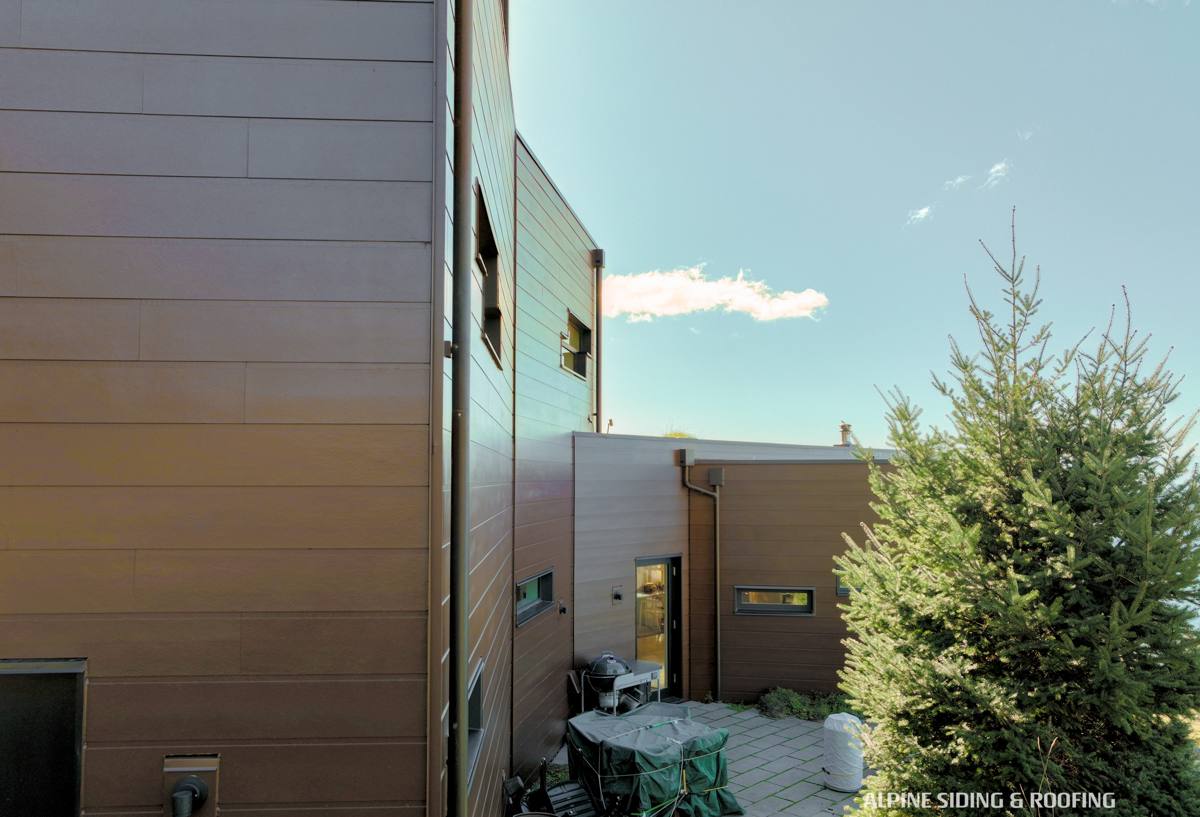
Southgate has a good mix of home ages and siding types, and a repair that doesn't match the surrounding material in profile, reveal, and color sticks out immediately. On factory-finished fiber cement, that means sourcing the correct plank width and matching or blending the finish rather than reaching for a can of touch-up paint that will weather differently over time.
Restoring the Water Management System
Siding is one layer of a larger water management system that includes house wrap or building paper, flashing at every penetration and transition, and properly lapped and fastened panels. A repair that patches the surface but leaves a gap in the underlying barrier, or reuses old flashing that's already failed, just relocates the leak instead of fixing it.
Fastening to Spec
Given how much wind exposure this area gets, fastener type, spacing, and placement matter more here than they would somewhere inland. Repairs need to go back together to the manufacturer's fastening schedule and current wind-load requirements, not just "close enough" to what was there before.
Repair or Replace? How We Make That Call
Not every damaged section needs a full re-side, and not every home is a good candidate for a simple patch. The right call depends on the extent of the damage, the age and condition of the material, and what's actually happening behind the siding.
| Factor | Points Toward Repair | Points Toward Replacement |
|---|---|---|
| Extent of damage | Isolated to a few panels or one area | Spread across multiple walls or elevations |
| Underlying sheathing/framing | Dry and structurally sound | Soft, rotted, or water-stained |
| Age of existing siding | Well within its expected service life | Near or past the end of its useful life |
| Material type | Durable material still performing well overall | Material prone to ongoing moisture issues (wood, older composite) |
| Color/finish match | Replacement pieces can be closely matched | Existing finish is faded or discontinued and won't blend |
We'll always tell you honestly which side of that table your home falls on. If a targeted repair will hold up, that's what we recommend — there's no reason to sell a Southgate homeowner a full re-side when a section repair does the job.
Our Southgate Siding Repair Process
- Inspection — We walk the exterior and check the areas most exposed to wind-driven rain and sun, plus anywhere you've noticed a problem, looking both at the surface and for signs of what's happening underneath.
- Diagnosis — We identify the actual cause of the damage, not just the visible symptom, so the repair addresses the source instead of reappearing next season.
- Material sourcing and matching — We source siding, trim, and fasteners that match your home's existing profile and finish as closely as possible.
- Repair — Damaged sections are removed and replaced, flashing and water barrier details are restored, and everything is fastened to current spec.
- Weatherproofing check — Seams, joints, and penetrations are sealed and inspected before we consider the work done.
- Walkthrough and cleanup — We review the completed repair with you and leave the site clean, with a clear explanation of what was found and what was fixed.
Why We Repair and Install James Hardie Fiber Cement
We are a James Hardie–focused contractor, and that shapes how we approach repair work too. When we're repairing existing Hardie fiber cement siding, we're working with a product engineered specifically for climates like this one — Hardie's HZ product lines are formulated for the combination of humidity, heat, and storm exposure that Gulf Coast Florida deals with, and the factory-applied ColorPlus finish is built to resist the fading and cracking that UV and salt air cause in field-applied paint.
When a home in Southgate has siding in a different material and the damage is extensive enough that repair isn't the right call, we'll walk you through replacement options honestly. Our standard recommendation is James Hardie fiber cement, because we've seen how it holds up in this climate: it's non-combustible, resists moisture-driven rot far better than wood-based products, and comes with a strong transferable warranty when installed to spec. We don't install vinyl, LP SmartSide, or other fiber cement brands — not because they can't be made to work somewhere, but because after years of doing exterior work in this exact climate, Hardie is what we're comfortable standing behind long-term.
Why Hiring a Crew That Already Works Southgate Matters
Siding repair looks straightforward until you're the one diagnosing a leak that could be coming from three different places. A crew that already works in this part of Bradenton has seen the recurring failure points in this specific environment — where wind-driven rain tends to find its way in, which details tend to fail first under sustained sun and salt exposure, and what Manatee County's permitting and wind-code requirements actually call for on a repair of a given size.
That familiarity translates into a faster, more accurate diagnosis instead of guesswork, and a repair that's built to the same wind and moisture standards your home needs to hold up long-term — not just to look fixed for a season.
Keeping Your Siding in Good Shape After Repair
A correctly done repair should last, but a little routine attention keeps small issues from becoming repairs again.
- Do a visual walk-around once or twice a year, paying extra attention after any significant storm
- Check caulk at trim, corners, and penetrations for cracking or shrinkage, and have it renewed before it fails completely
- Keep gutters and downspouts clear so water isn't dumping directly onto or behind siding
- Trim back vegetation that holds moisture against exterior walls
- Address small issues — a loose panel, a gap at a joint — as soon as you notice them rather than waiting
If you're seeing any of the warning signs above, or just want an honest opinion on whether a section of your siding needs repair or replacement, we're happy to take a look. Request a free, no-pressure estimate using the form below and we'll give you a straight answer about what your Southgate home actually needs.