 Bradenton
 Siding Repair Built for Ellenton's Weather, Not Just the Damage You Can See
Ellenton sits in the heart of Manatee County, close enough to the Gulf and the Manatee River that its homes take a steady beating from sun, humidity, and storm weather most of the year. If you've called us about a cracked panel, a buckled section, or a spot that's been leaking behind the wall, the visible damage is usually just the part you noticed first. The real question is what caused it, and whether it's already spreading somewhere you can't see.
We repair siding on Ellenton homes regularly, and the pattern is consistent: damage that looks minor from the driveway often traces back to moisture that's been working behind the surface for months or years. A repair that only addresses the crack, without checking what's underneath, tends to fail again within a season or two. A repair done right fixes the cause, not just the symptom.
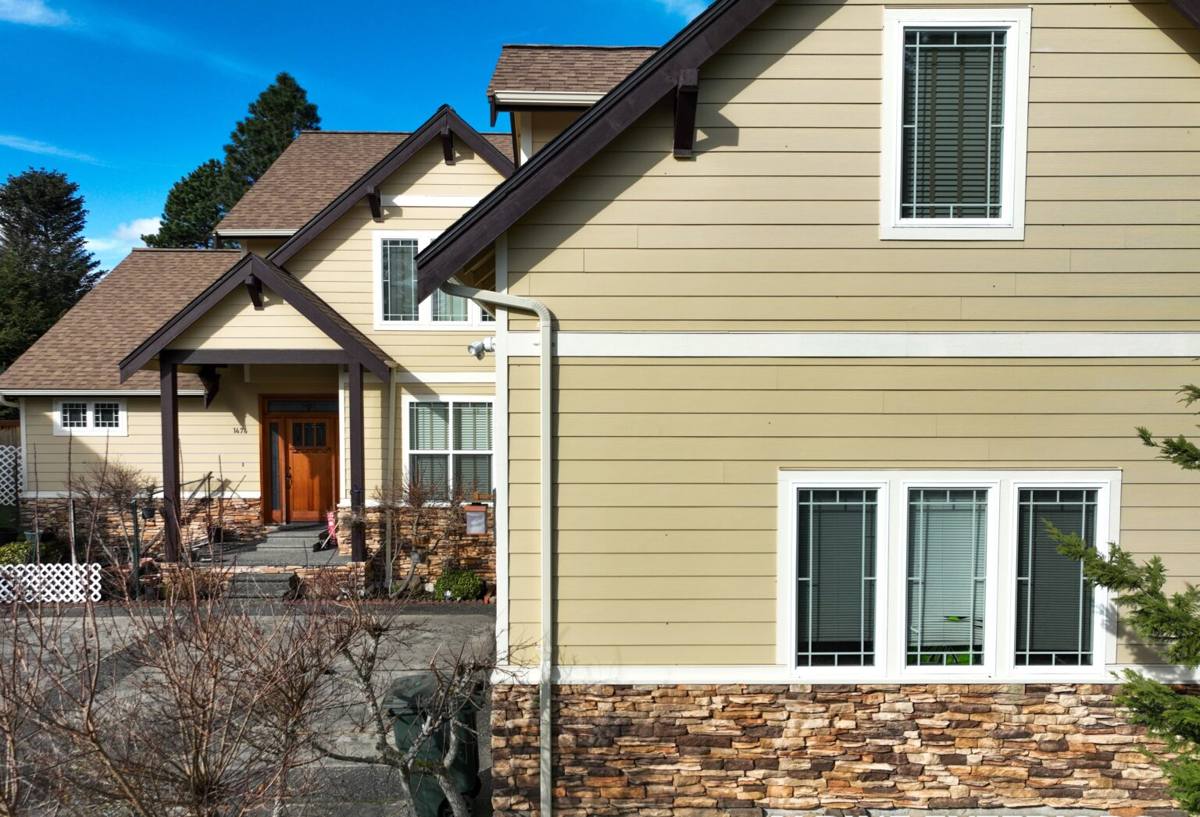
Why Bradenton-Area Siding Takes This Much Abuse
Manatee County homes deal with a specific combination of stressors that inland houses never see. Understanding them is the first step in understanding why repairs here need to be handled differently than they would be further north.
Wind and Storm Impact
Hurricane-force and tropical-storm-force winds put direct pressure on siding and drive debris into it. Panels can crack, split, or get pried loose at the edges even when the damage isn't obvious from the ground. Wind also forces rain sideways and upward, pushing water into seams, laps, and fastener holes that were never designed to handle water moving in that direction.
Year-Round UV Exposure
Florida's sun is intense and near-constant. Over years, UV breaks down caulk, fades paint, and causes some siding materials — particularly older wood and certain composite products — to become brittle, chalky, or prone to cracking. Siding that looked fine five years ago can be significantly more fragile today simply from sun exposure.
Wind-Driven Rain and Moisture
Even without a named storm, Bradenton's summer rain pattern is frequent, heavy, and often wind-driven. Water that gets behind siding and can't dry out becomes rot, mold, and eventually structural damage to the wall sheathing underneath — damage that costs far more to fix than the siding itself.
Salt Air
Proximity to the coast means salt in the air, which accelerates corrosion on fasteners, flashing, and any exposed metal components. Corroded fasteners loosen their grip on siding panels, which is a common — and often overlooked — cause of panels that seem to be working themselves loose for no clear reason.
The Siding Damage We See Most Often in Ellenton
Every home is different, but repair calls in this area tend to fall into a handful of recurring categories.
- Cracked or split panels — usually from wind-driven debris, thermal stress, or brittle material that's past its prime
- Buckling or warping — often a sign of moisture trapped behind the siding, or panels installed too tightly with no room to expand
- Nail pops and loose panels — frequently tied to fastener corrosion or improper original installation
- Soft or spongy spots — almost always moisture intrusion and early rot in the substrate behind the siding
- Faded, chalking, or peeling paint — cumulative UV and humidity damage, more common on wood and older composite siding
- Gaps at seams, corners, and trim — failed caulking or flashing that's letting water behind the panels
What a Correct Repair Actually Involves
A lot of "siding repair" in this industry means replacing the visible piece and moving on. That approach hides problems instead of solving them. Here's what we check and do differently.
| Step | Quick Patch Approach | Correct Repair Approach |
|---|---|---|
| Diagnosis | Replace only the damaged panel | Inspect surrounding area and behind the siding for moisture or rot |
| Water barrier | Rarely checked | House wrap or moisture barrier inspected and repaired if compromised |
| Fasteners | Reuse existing or nearest available | Corrosion-resistant fasteners installed per manufacturer spec |
| Sealant and flashing | Caulk over the gap | Proper flashing details restored, sealant used only where it belongs |
| Material match | Closest available panel | Matched to existing profile and, where possible, factory finish |
Skipping the middle steps is why so many "repairs" fail again within a year or two. Fixing what's underneath takes longer than swapping a panel, but it's the difference between a repair that lasts and one that's just cosmetic.
Checking Behind the Siding
Anytime we remove a damaged section, we look at what's behind it: the water-resistive barrier, the sheathing, and the framing where accessible. If there's soft wood or staining, that gets addressed before any new siding goes back on. Covering up a moisture problem with a fresh panel just delays a much bigger repair.
Repair or Replace? How We Help You Decide
Not every damaged section needs a full re-side, and not every home is a good candidate for a simple patch. We walk through a few honest questions with every homeowner before recommending either path.
| Factor | Leans Toward Repair | Leans Toward Replacement |
|---|---|---|
| Extent of damage | Isolated to one or two areas | Scattered across multiple elevations |
| Age of existing siding | Newer, mid-life material | Original siding nearing or past its expected lifespan |
| Moisture behind panels | None found on inspection | Found in multiple locations, suggesting a systemic issue |
| Material availability | Matching panels still obtainable | Discontinued profile or color, poor match likely |
| Storm history | Single isolated event | Repeated storm damage over several seasons |
If a repair will genuinely hold up, we'll tell you that — a smaller job done right is better for you and for us than an unnecessary upsell. If the honest answer is that the siding is on its way out, we'll say that too, and explain why.
Our Process for an Ellenton Siding Repair Call
- Inspection — we look at the damaged area and the surrounding siding, not just the spot you called about
- Moisture check — we assess whether water has gotten behind the siding and how far it's traveled
- Diagnosis and options — we explain what caused the damage and walk you through repair versus replacement, with no pressure either way
- Material matching — for James Hardie siding, we match the existing profile and finish as closely as possible; for other materials, we're upfront about matching limitations
- The repair — damaged material removed, underlying barrier and framing addressed if needed, new material installed to manufacturer spec
- Cleanup and walkthrough — we clear debris and review the completed work with you before we consider the job done
Why We Repair — and Rebuild — with James Hardie Fiber Cement
When a repair calls for new material, or when a home's siding has taken enough damage that patching no longer makes sense, we install James Hardie fiber cement exclusively. We don't install LP SmartSide, vinyl, Cemplank, Allura, or primed wood siding, and we're upfront about why: those products each carry trade-offs — vinyl can warp and fade in intense sun, wood and engineered-wood products are more sensitive to moisture and insects, and matching or repairing them years down the road can be inconsistent.
James Hardie's fiber cement is non-combustible, engineered specifically for high-humidity, high-UV climates like ours through its HZ5 product line, and finished with a factory-applied ColorPlus coating that resists fading far better than field-applied paint. It also carries a strong transferable warranty when installed to spec — which matters, because installation quality affects how well any siding, Hardie included, actually performs over time. If your Ellenton home currently has a different siding material and needs more than a spot repair, we'll walk you through what a Hardie fiber cement replacement would look like and why it's what we recommend for this climate.
Why Hiring a Crew That Already Works in Ellenton Matters
Siding repair isn't just a technical skill — local familiarity changes the quality of the outcome. A crew that regularly works Manatee County homes already understands the common construction styles in the area, what Bradenton's building and permitting requirements look like for exterior repair work, and how local weather patterns typically cause damage to show up. That translates into faster, more accurate diagnosis and fewer surprises mid-job.
It also means accountability. A contractor working a single job far from their usual service area has less incentive to make sure a repair holds up long-term. A local crew that plans to keep working in Ellenton and the surrounding communities has every reason to do it right the first time.
What to Look for When Hiring
- Proof of licensing and insurance specific to Florida exterior contracting
- A written explanation of what caused the damage, not just a quote to replace it
- Willingness to check behind the siding, not just swap the visible panel
- Clear answers about material matching, especially color and profile
- A straight answer on repair versus replacement, without pressure toward the more expensive option
- Familiarity with James Hardie installation specifications, if fiber cement is involved
Protecting Your Siding After the Repair
A good repair buys you time, but a little upkeep buys you more of it in this climate. After any repair, it's worth doing a visual check of your siding each spring and again after hurricane season — looking at seams, corners, and anywhere caulking meets trim. Caulk is one of the first things UV and salt air break down, and catching a failed seal early is far cheaper than dealing with the moisture damage it eventually causes. Keeping gutters clear and making sure sprinklers aren't hitting the siding directly also go a long way toward extending the life of any repair or replacement.
If you're dealing with damaged, buckling, or leaking siding on your Ellenton home, we're happy to take a look and give you a straight answer on what it needs. Reach out for a free, no-pressure estimate — there's a form right below to get started.