 Bradenton
 Siding Built for a Working Waterfront Community
Cortez sits closer to open water than most of Manatee County, and that proximity shapes everything about how siding performs there. Homes in this historic fishing village face a combination of stressors that inland Bradenton properties simply don't deal with at the same intensity: constant salt-laden air off the bay, wind-driven rain that gets pushed sideways into wall assemblies, intense year-round UV, and the real possibility of hurricane-force gusts during storm season. Siding that works fine in a subdivision ten miles inland can fail years early on a home a few blocks from the water.
We install siding throughout Manatee County, but Cortez gets treated differently from the moment we walk the property. The install sequence, fastener spacing, flashing details, and product selection all shift based on how close a home sits to the water and how exposed it is to prevailing wind. This page covers what that actually looks like — not generic siding advice, but what correct siding installation means for a Cortez home specifically.
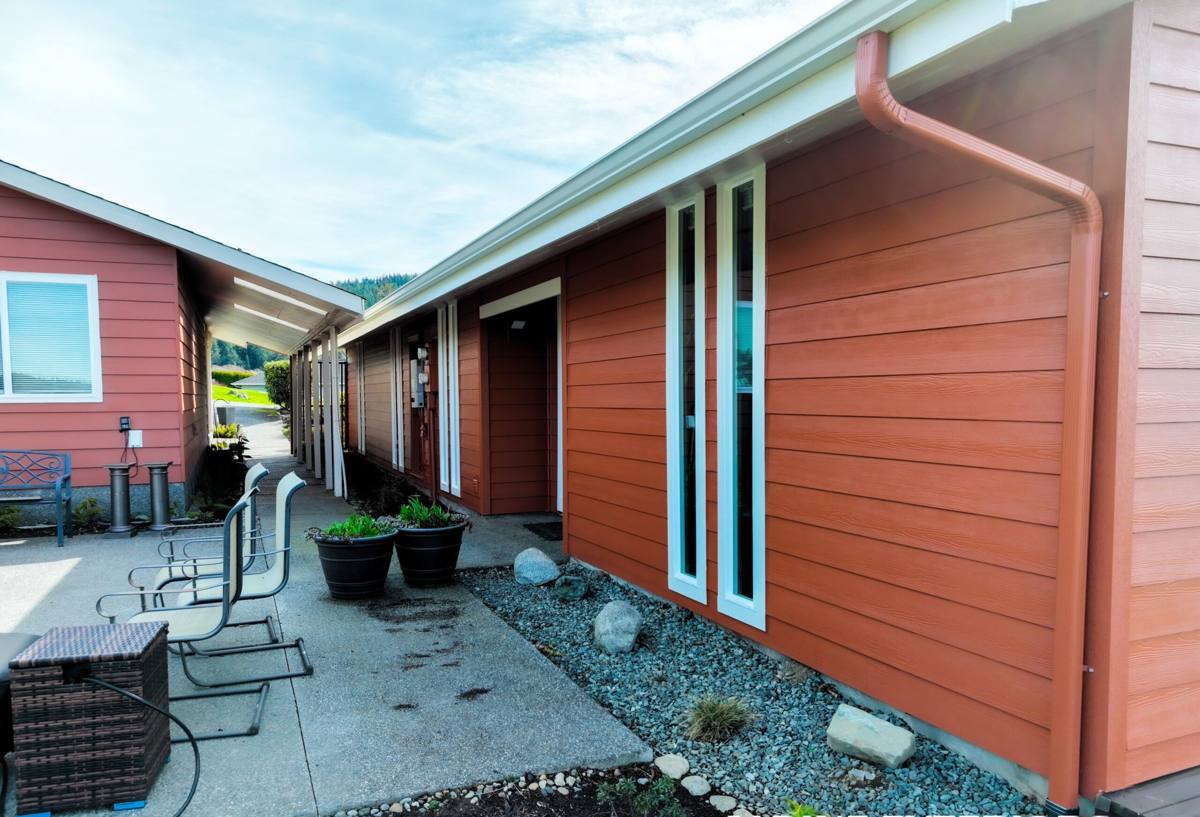
What the Coastal Environment Does to Siding Over Time
Salt Air and Corrosion
Airborne salt doesn't just sit on the surface of a wall — it works into fasteners, trim joints, and any exposed cut edge of siding material. Over years, that accelerates corrosion in metal fasteners and flashing, and it breaks down coatings and caulks faster than they'd degrade further inland. This is why fastener choice and flashing material matter more in Cortez than almost anywhere else in the county — using standard-grade hardware here is a shortcut that shows up as rust streaks and loosening panels within a few seasons.
Wind-Driven Rain and Water Intrusion
Bradenton gets plenty of rain, but wind-driven rain near the water behaves differently — it hits siding at an angle instead of falling straight down, which means it can work behind laps, around penetrations, and into seams that would stay dry in a calmer setting. If the water-resistive barrier, flashing, and lap overlaps underneath the siding aren't installed correctly, that moisture finds its way to the sheathing and framing, and the damage is often invisible until it's serious.
UV and Constant Sun Exposure
Florida sun is intense nearly every month of the year, and it's relentless on unshaded, water-facing walls. UV breaks down pigments and resins in lower-quality siding and field-applied paint, leading to fading, chalking, and eventually cracking. This is a durability issue as much as a cosmetic one — once a coating fails, the substrate underneath is exposed to everything else on this list.
What a Correct Siding Installation Actually Involves
Siding is a system, not just a surface material. A correct installation in Cortez means every layer underneath the visible siding is doing its job, because the visible layer is the last line of defense, not the only one.
Water Management Comes First
Before any siding goes up, we install a code-compliant water-resistive barrier and flash every window, door, and penetration so water is directed out and down, never trapped behind the wall. Starter strips, J-channels, and butt joints are all placed to shed water, not collect it. This is the part of the job that's invisible once the siding is on — and it's also the part that determines whether the wall stays dry for the next 30 years.
Fastening for High-Wind Exposure
Fastener type, length, and spacing all change based on wind exposure category, and homes near open water in Cortez typically fall into a higher-exposure category than homes set back inland. We follow manufacturer fastening schedules rated for the wind loads this area actually sees, not a generic minimum spec. Corrosion-resistant fasteners are non-negotiable this close to the bay.
Proper Clearances and Gaps
Siding needs a gap above roof lines, decks, and grade, and consistent caulked or flashed joints at trim. Skipping these clearances is one of the most common shortcuts we see on prior installs, and it's almost always where the first moisture problems show up.
Why We Only Install James Hardie Fiber Cement
We standardized on James Hardie fiber cement siding for every project we take on, including here in Cortez, and we don't install vinyl, LP SmartSide, or other fiber cement brands. That's a deliberate choice based on what holds up in this specific climate.
Non-Combustible and Storm-Rated
Hardie fiber cement is non-combustible, which matters in a state where wildfire and ember exposure are real risks during dry stretches, and it's engineered to hold up under the wind and impact demands of Florida's building codes. Vinyl siding can soften, warp, or blow off in sustained high winds; fiber cement is heavier and rated for it.
HardieZone HZ5 for Gulf Coast Conditions
James Hardie makes climate-specific product lines, and the HZ5 formulation is engineered for humid, moisture-heavy climates like ours — it resists moisture absorption and the freeze-thaw concerns of northern climates simply don't apply here, so the product is built around what actually threatens siding on the Gulf Coast: humidity, rain, and heat.
ColorPlus Finish vs. Field-Painted Siding
Hardie's ColorPlus finish is baked on in a factory-controlled process, which gives it far better UV and fade resistance than field-applied paint, and it comes with its own finish warranty. In a spot like Cortez where sun exposure is constant, that factory finish is doing real work — field paint jobs on lesser materials tend to need touch-ups or full repaints on a much shorter cycle.
Why We Don't Install Vinyl or LP SmartSide Here
Vinyl siding is affordable and easy to install, but it can distort in high heat, crack in cold snaps, and doesn't hold up as well under sustained coastal wind loads — plus it doesn't offer the same fire-resistance profile as fiber cement. LP SmartSide is a wood-strand product, and wood-based siding is inherently more sensitive to the sustained moisture and humidity Cortez sees year-round; even with good installation, the long-term moisture exposure here works against a wood-based product's strengths. We're not saying these products can't work anywhere — we're saying that after years of doing this work on the Gulf Coast, we don't think they're the right call for homes exposed to this environment, and we'd rather turn down that work than install something we don't believe will hold up.
Our Process for a Cortez Siding Installation
The steps are similar to any siding project, but the details change based on what we find during the site visit — how exposed the home is, what condition the sheathing is in, and what the current siding is doing wrong.
| Step | What Happens | Why It Matters in Cortez |
|---|---|---|
| Site assessment | Walk the exterior, check wind exposure, inspect current siding and any water damage | Determines fastening schedule and flags hidden moisture issues before they're covered up again |
| Tear-off and sheathing check | Remove old siding, inspect sheathing and framing for rot or moisture damage | Coastal homes are more likely to have hidden water damage from years of wind-driven rain |
| Water-resistive barrier and flashing | Install weather barrier, flash all windows, doors, and penetrations | This layer is what actually keeps the wall dry — get it wrong and the siding won't matter |
| Hardie siding installation | Install HZ5 product with corrosion-resistant fasteners at coastal spacing | Matches the product and hardware to the wind and salt exposure at this address |
| Trim, caulking, and final detail | Finish trim, seal joints, clean up site | Proper sealing at every joint prevents the small gaps where water intrusion starts |
Cost Factors for a Cortez Siding Project
There's no honest flat rate for siding — cost depends on the home's size, current condition, and how much of the water management layer needs to be rebuilt versus reused. These are the factors that move the number most:
| Factor | Why It Affects Cost |
|---|---|
| Home size and wall complexity | More square footage and more corners, dormers, and trim details mean more material and labor |
| Sheathing condition | Rotted or water-damaged sheathing found during tear-off has to be replaced before new siding goes on |
| Current siding type | Removing and disposing of old material adds labor, especially with multiple layers of prior siding |
| Trim and accessory work | Corner boards, window trim, and soffit work are often bundled into a siding project |
| Exposure level | Homes with direct water or wind exposure may need upgraded fastening or flashing details |
Why a Crew That Already Works Cortez Matters
Siding installation isn't just a product decision — it's a set of judgment calls made on-site, and those calls are better when the crew has already made them on other homes in this specific area. A crew unfamiliar with Cortez might install to a generic spec instead of accounting for how exposed a particular wall is to prevailing wind and salt air. A crew that already works here knows to check sheathing more carefully on water-facing walls, knows which fastener and flashing details hold up in this environment, and understands the county's coastal building requirements without having to relearn them on your project.
That local familiarity also shows up in smaller ways — knowing how to sequence work around this area's weather patterns, and being realistic with homeowners about what a coastal-exposed installation actually requires versus what an inland home would need.
Signs Your Cortez Home May Need New Siding
- Visible cracking, warping, or buckling anywhere on the siding, especially on water-facing walls
- Soft or spongy spots when you press on the siding near the bottom edges or around windows
- Paint or finish that's chalking, peeling, or fading noticeably faster than the rest of the house
- Rust streaks running down from fasteners or trim joints
- Visible gaps, loose panels, or fasteners backing out at seams and corners
- Interior signs of moisture — musty smells, bubbling paint, or stains on interior walls near exterior siding
- Siding that's original to a home over 20-25 years old, especially if it's wood-based or vinyl
Maintaining Hardie Siding in a Salt-Air Environment
Fiber cement siding is low-maintenance compared to wood or vinyl, but "low-maintenance" doesn't mean "no maintenance," especially this close to the water. A periodic rinse-down to clear accumulated salt residue helps protect the finish and fasteners over time. It's also worth doing a visual walk-around after major storms to check for any loose trim, damaged caulking, or impact damage that should get addressed before the next round of wind-driven rain finds it. Because ColorPlus finish is factory-applied and warrantied, most Cortez homeowners won't be repainting on the aggressive cycle that field-painted siding often demands — but keeping an eye on caulked joints and touching up as needed extends that further.
If your Cortez home's siding is showing wear, or you're planning ahead for a home in this area, we're glad to walk the property and give you a straight, no-pressure estimate — no obligation, just an honest look at what your home actually needs.