 Bradenton
 Window Replacement Built for Parrish's Climate
Parrish sits in the fast-growing northeast corner of Manatee County, and the windows on homes here face the same weather load as anywhere else on Florida's Gulf Coast: hurricane-force wind events, wind-driven rain that finds every gap in a poor seal, intense year-round UV that breaks down seals and frames, and salt-laden air that corrodes hardware faster than most homeowners expect. Whether your home is a newer build in one of the area's planned communities or an older property on a larger rural lot, the windows are one of the first things a storm tests and one of the last things most homeowners think about until there's a problem.
Window replacement here isn't just a cosmetic upgrade. Done right, it's a structural decision that affects how your home performs in wind events, how much moisture gets into your walls over the years, and what your insurance carrier is willing to write. Done wrong — wrong product, wrong installation, wrong flashing detail — it can create leaks and callbacks that show up months or years later.
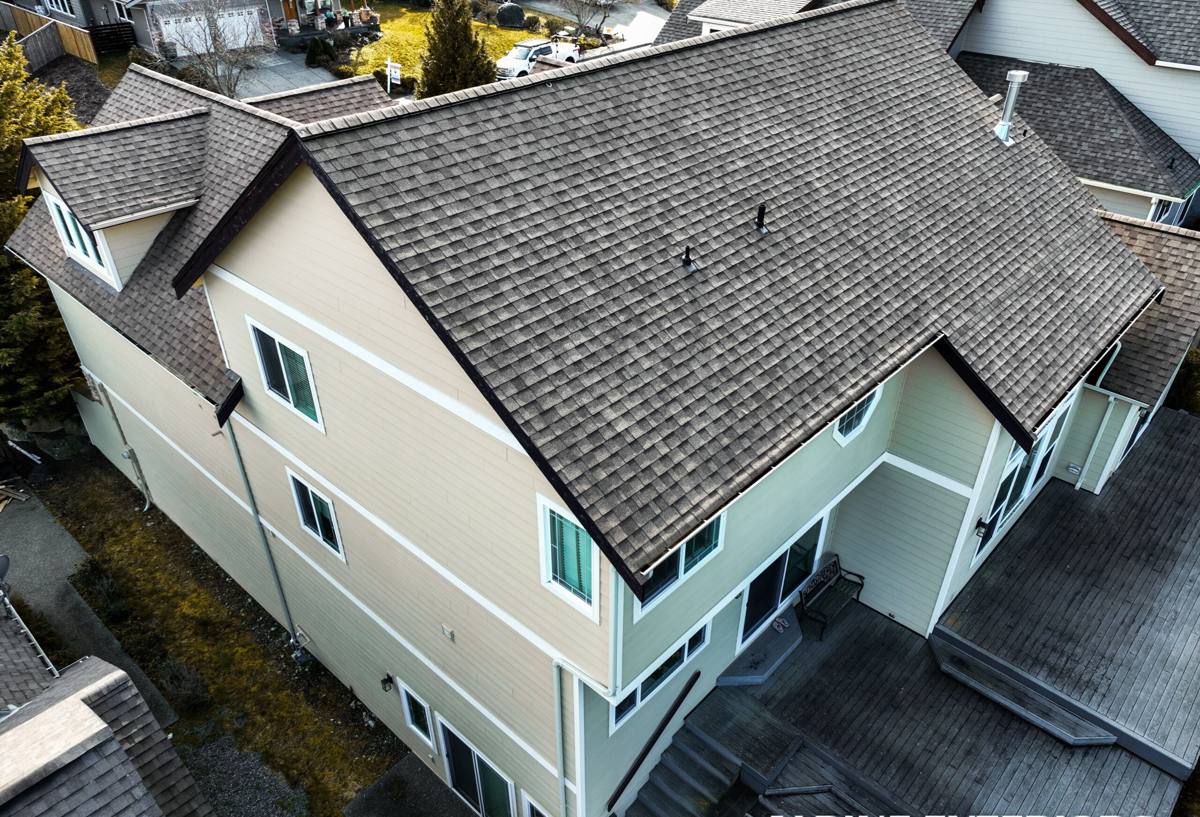
What Manatee County's Climate Actually Does to Windows
Wind and Pressure
During a tropical system, windows don't just have to survive direct wind pressure — they have to survive flying debris impact and the pressure cycling that comes with gusting wind. A window that isn't rated for the wind zone it's installed in, or that was installed with the wrong fastening pattern, can fail at the frame or the anchor points well before the glass itself gives out.
UV Exposure
Florida's UV load is relentless almost year-round. It breaks down vinyl frames that aren't UV-stabilized, dries out and cracks glazing seals, and fades interior finishes near windows that don't have some form of solar control built into the glass package. A window that looks fine for the first couple of years can start showing UV damage well before its expected service life is up if the materials weren't chosen for this exposure.
Wind-Driven Rain
Rain in a Gulf Coast storm rarely falls straight down — it comes sideways, driven by wind, and it finds any weakness in a window's seal or flashing. Most water intrusion problems we see aren't glass failures at all; they're flashing and sealant failures around a window that was installed without proper attention to how water moves down a wall assembly.
Salt Air Corrosion
Parrish is inland compared to the barrier islands, but salt air still travels well past the coastline on prevailing winds, especially after storms. Hardware, screws, and hinges that aren't corrosion-resistant will pit and seize years before a comparable window with proper coastal-grade hardware.
Impact-Rated Windows: What the Terms Actually Mean
Homeowners in this area hear a lot of product terminology thrown around, and it's worth being clear about what each option actually does.
- Impact-resistant windows: Laminated glass with an interlayer that holds together under impact, tested and rated to resist wind-borne debris without shutters or panels.
- Standard (non-impact) windows with shutter protection: Lower upfront window cost, but requires functioning shutters or panels to be deployed before every storm — protection is only as good as your ability to close them up in time.
- Laminated vs. tempered glass: Tempered glass is strong but shatters into small pieces on impact; laminated glass is designed to crack but stay intact in the frame, which is what actually keeps wind and rain out after an impact.
- Design pressure (DP) rating: A window's tested capacity to handle wind pressure — this needs to match what Manatee County's building code requires for your specific location and exposure, not just a generic "hurricane" label.
Our standard for Parrish homes is to spec windows to the wind pressure and impact requirements that actually apply to the property, not just whatever is cheapest to stock. That sometimes means a slightly higher upfront cost than a big-box option, but it's the difference between a window system that performs as designed and one that's rated for a milder climate than the one it's sitting in.
What a Correct Window Replacement Involves
Swapping glass into an existing opening is the easy part. The work that actually determines whether a window performs for the next 15-20 years happens around the frame:
- Opening inspection: Checking the rough opening for rot, moisture damage, or settling before a new window ever goes in. Installing a good window into a compromised opening just hides a problem instead of fixing it.
- Correct sizing and fit: Undersized or oversized units get shimmed or forced, which stresses the frame and creates gaps that water and air will exploit over time.
- Flashing and weatherproofing: Proper flashing tape and sill pan details that direct water out and away from the wall assembly, layered correctly with the house wrap or building paper already in place.
- Fastening to manufacturer and code spec: The right fasteners, in the right pattern, into structural framing — not just enough screws to hold the window in place.
- Sealant selection and application: Exterior-grade sealant rated for UV and movement, applied in a continuous bead with no gaps, at both the exterior and interior of the installation.
- Final inspection and testing: Confirming the window operates correctly, locks engage properly, and there are no visible gaps before we consider the job done.
Skipping or rushing any one of these steps is how a "new window" ends up with a leak two summers later.
Our Process for Parrish Homeowners
We keep the process straightforward because most homeowners are replacing windows once every couple of decades and don't need to become experts in it:
- On-site assessment: We look at your existing windows, openings, and any signs of past water intrusion before recommending anything.
- Straight talk on options: We'll walk through impact-rated versus shutter-protected options and what fits your home, your budget, and how the property is actually used.
- Written proposal: Clear scope, product specifications, and pricing — no vague allowances that turn into change orders later.
- Permitting: Window replacement in Manatee County typically requires a permit and inspection; we handle that process so you're not the one tracking down paperwork.
- Installation: Careful removal of the old units, opening prep, and installation following the steps above, with daily cleanup so your home stays livable during the work.
- Final walkthrough: We go over every window with you before we consider the job finished, not just leave a punch list for you to discover later.
Comparing Window Options for a Parrish Home
| Option | Storm Protection | Upfront Cost | Ongoing Maintenance |
|---|---|---|---|
| Impact-resistant (laminated) windows | Built-in, no action needed before a storm | Higher per window | Low — occasional seal and hardware checks |
| Standard windows + accordion/panel shutters | Only as good as timely shutter deployment | Lower window cost, added shutter cost | Moderate — shutters need upkeep and storage |
| Standard windows, no shutters | Minimal — relies on plywood or last-minute prep | Lowest | Higher risk of storm damage and post-storm repair costs |
There's no single right answer for every property — a smaller home with easy shutter access may reasonably choose the shutter route, while a home with a lot of glass or an owner who travels often is usually better served by impact-rated glass that doesn't depend on anyone being home before a storm.
Signs Your Parrish Home Needs Window Replacement
- Visible gaps, cracking, or soft spots in the frame or surrounding wall
- Fogging or moisture between panes on double-glazed units — a sign the seal has failed
- Windows that are difficult to open, close, or lock properly
- Noticeable drafts or a spike in cooling costs during summer months
- Visible daylight or gaps around the frame when the window is closed
- Chalking, discoloration, or brittleness in vinyl or aluminum frames from UV exposure
- Any history of water staining on interior walls near a window after heavy rain
Why Hiring a Crew That Works Parrish Regularly Matters
Manatee County's permitting requirements, wind zone maps, and inspection process are specific to this jurisdiction, and a crew that works here regularly already knows how that process runs — what documentation gets requested, what inspectors look for, and how long realistic timelines actually are. That familiarity means fewer surprises and fewer delays compared to a crew that's unfamiliar with local requirements or is just passing through the area for a single job.
It also means we've seen how different products actually hold up in this specific climate over years, not just on a spec sheet. That's the kind of judgment that only comes from doing this work, in this county, on an ongoing basis.
Get a Straightforward Estimate
If your windows are original to the house, showing wear, or you're just not confident they'd hold up in a serious wind event, it's worth getting an honest, no-pressure look before you decide anything. We'll assess your current windows, explain what we'd recommend for your specific home, and give you a clear written estimate — no upsell, no guesswork. The form below will get you started.