 Bradenton
 Building New in Palmetto? The Windows Need to Match the Climate, Not Just the Floor Plan
Palmetto sits close enough to the water that every new build in the area deals with the same set of pressures: hurricane-force wind loads, wind-driven rain that finds any gap in a wall assembly, relentless UV that breaks down cheap materials year-round, and salt-laden air that speeds up corrosion on hardware and fasteners. When you're framing a new home or addition, the window install is one of the few steps you don't get to redo later without tearing into finished walls. Getting it right the first time, while the structure is still open, matters more here than it does in most parts of the country.
This page is specifically about new-construction window installation for homes being built or added onto in the Palmetto area of Manatee County — not window replacement in an existing house. The two jobs share a product category but almost nothing else in terms of technique.
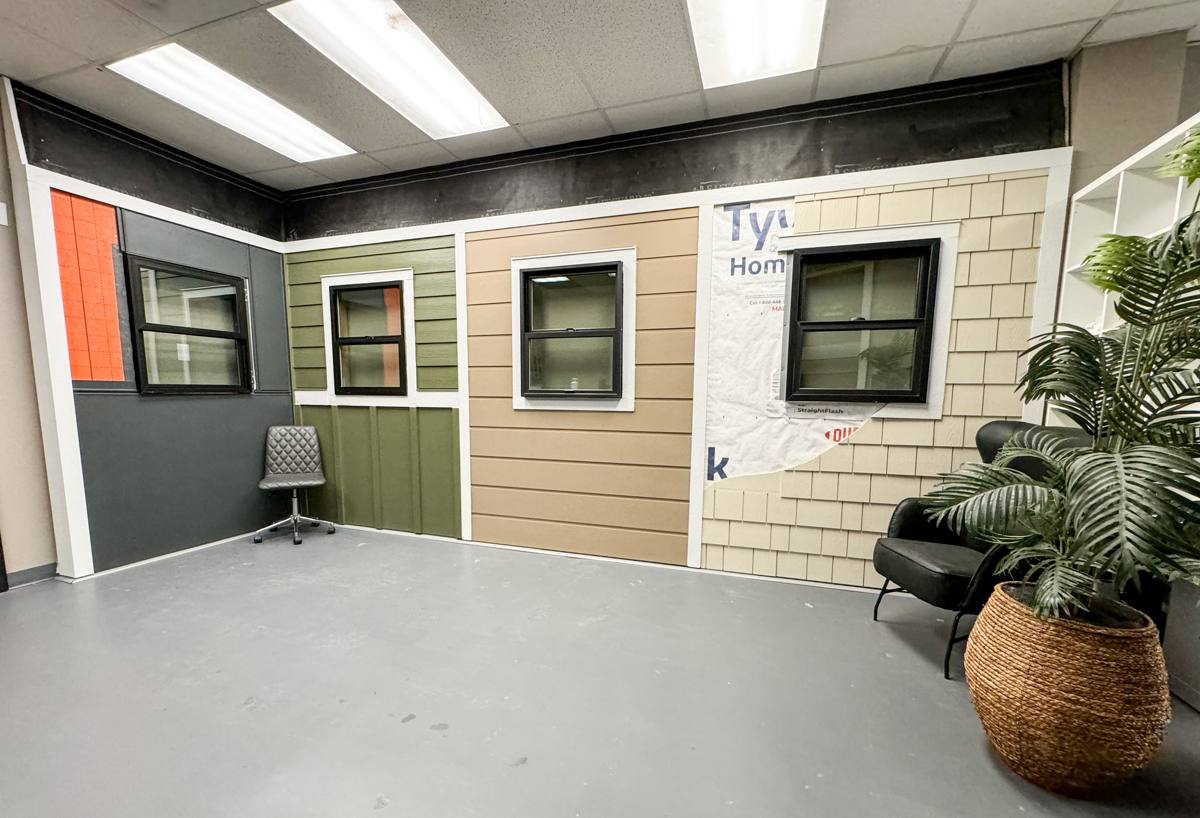
New-Construction Windows Are a Different Job Than Replacement
A replacement window gets inserted into an existing, finished opening — the exterior wall, siding, and trim are already in place, and the installer works around them. A new-construction window is installed into an open, unfinished rough opening before the house wrap, stucco, siding, or exterior trim goes on. It typically has a nailing fin (or flange) around the perimeter that gets fastened directly to the sheathing and then integrated into the weather-resistant barrier — the house wrap or building paper — before any exterior finish covers it.
That difference matters because a new-construction window's long-term performance depends almost entirely on how well it's tied into the wall assembly during the build. Once the stucco lath goes up or the siding closes in, the flashing and fin are buried. Any mistake made at this stage becomes a hidden problem that usually doesn't show up until the first wind-driven rain event finds it.
Why This Stage Gets Rushed on a Job Site
On an active new-construction site, window installation happens on a tight schedule between framing/rough-in and the exterior finish trades. There's pressure to move fast so the house can get closed in. That pressure is exactly why window installation on new builds is one of the most common sources of later water intrusion claims — not because the windows themselves failed, but because the flashing and fin integration were rushed or skipped.
What Manatee County's Climate Actually Demands From the Install
Three things drive how a new-construction window needs to be installed and specified in this part of Florida:
- Wind load and wind-borne debris: Current Florida Building Code requires new windows in this region to meet specific wind pressure and, in many cases, impact protection standards. The right product spec depends on the home's exposure category, height, and location relative to the coast — this gets confirmed against the approved plans, not guessed at.
- Wind-driven rain: Storms here don't just drop rain straight down — wind pushes it sideways and upward into wall assemblies. A window that's watertight in a light rain can still leak badly in a wind-driven event if the sill pan flashing and fin integration weren't done correctly.
- UV and salt air: Frame materials, sealants, and hardware all age faster under constant Florida sun and coastal salt exposure. Cheaper vinyl can chalk and warp, low-grade sealants dry out and crack, and standard fasteners corrode faster than they would inland.
None of this is unique to Palmetto specifically, but it's more pronounced the closer a lot sits to open water, tidal creeks, or exposed terrain — which describes a lot of new construction happening in this part of Manatee County right now.
Permitting and Inspections: What Happens Before the Windows Get Covered Up
New-construction window installs in Manatee County go through the standard permitting and inspection process tied to the overall building permit — the windows themselves are reviewed against the approved plans and product approvals on file, and the installation typically gets inspected before the exterior finish (stucco lath, siding) closes over it. That inspection window is important: it's the last point where a flashing mistake can be caught and fixed cheaply, instead of discovered later as a leak.
A crew that regularly works new construction in this county knows what inspectors are looking for at that stage and builds the install to pass the first time — not to scramble and fix things after a failed inspection delays the builder's schedule.
What a Correct New-Construction Window Install Actually Involves
Done right, this isn't just "set the window in the hole and nail the fin." A correct install, in order, looks like this:
- Verify the rough opening is square, plumb, and sized to the manufacturer's tolerance before the window ever gets set
- Install a sloped sill pan flashing so any water that gets past the window drains back out, not into the wall
- Set the window and confirm it's level, plumb, and square in the opening — not just fastened where it happens to sit
- Fasten the nailing fin per the manufacturer's schedule (spacing and fastener type matter for both wind rating and warranty)
- Integrate the fin with the house wrap using proper flashing tape, shingle-lapped so water sheds down and out, never trapped behind the barrier
- Seal and backer-rod the interior per code and manufacturer spec, without gaps that let air or moisture bypass the seal
- Confirm the window operates correctly (opens, closes, locks) before the opening gets covered by exterior finish
Skipping or rushing any one of these steps doesn't usually cause an immediate problem — it causes a problem two or three years after the home is finished, when it's much more expensive to trace and fix.
Choosing the Right Frame and Glass for This Area
For new construction in a wind-borne debris region with heavy sun and salt exposure, the frame material and glass package both matter. There's no single "best" answer for every home — it depends on the elevation, budget, and exposure of the specific lot — but here's how the common options generally compare for this climate:
| Option | Wind/Impact Performance | Maintenance in This Climate | Typical Fit |
|---|---|---|---|
| Impact-rated glass (any frame type) | Meets wind-borne debris requirements without separate shutters | Low — no shutter hardware to maintain | Coastal-facing or high-exposure openings |
| Standard glass + code-approved shutters/protection | Meets code when protection is deployed correctly | Higher — shutters or panels must be stored, maintained, and actually used | Budget-driven builds where shutters are already planned |
| Vinyl frame | Good, product-dependent | Can chalk or soften under long-term UV without a quality UV-stable formulation | Cost-conscious builds, non-coastal-front lots |
| Aluminum frame | Strong structural performance, common in impact-rated assemblies | Needs corrosion-resistant hardware near salt air | Larger openings, high-wind assemblies |
| Fiberglass frame | Very good, dimensionally stable | Low — holds up well to UV and humidity swings | Homeowners prioritizing longevity over lowest upfront cost |
We'll walk through these trade-offs against your actual plans and elevation requirements rather than defaulting to one product for every job — the right call depends on which walls face open exposure and what the approved plans already call for.
How We Work With Builders and Homeowners on New Construction
Most of our new-construction window work happens alongside a general contractor's schedule, so coordination matters as much as the install itself. Our process:
- Plan review: We look at the approved plans and window schedule to confirm sizes, ratings, and product approvals before anything is ordered.
- Product selection: We help finalize frame material and glass package based on the home's exposure, budget, and the builder's timeline — ordering lead times matter, especially for impact-rated units.
- Scheduling around the build: We slot the install between rough framing/dry-in and exterior finish, coordinating directly with the builder so we're not the reason the job stalls.
- Installation to spec: Sill pan flashing, nailing fin fastening, and house wrap integration done to manufacturer and code requirements — every opening, not just the ones easy to reach.
- Inspection-ready hand-off: We leave the install ready for the required inspection before exterior finish covers it, and we're available if an inspector has questions on-site.
If you're a homeowner managing your own build rather than going through a builder, we can work directly with you and your general contractor the same way — the coordination just runs through you instead.
Why a Crew That Already Works Palmetto Matters Here
New-construction window work is unforgiving of guesswork. A crew that only occasionally does this type of install in Manatee County has to relearn local inspection expectations and coordination habits on your job. A crew that already works new construction in and around Palmetto and Bradenton knows the pace builders here expect, has already worked with local inspectors on this type of install, and isn't learning the region's wind and moisture demands for the first time on your house. That familiarity shows up as fewer surprises during inspection and fewer callbacks after move-in — which is the whole point of doing this stage carefully in the first place.
If you're building or adding on in the Palmetto area and want a straight answer on what your window openings actually need, we're glad to take a look at your plans and walk the site. Reach out for a free, no-pressure estimate using the form below.