 Bradenton
 Why Siding in Bayshore Gardens Takes a Different Kind of Beating
Bayshore Gardens sits close enough to Sarasota Bay that the air itself works against your siding every single day. It's not one dramatic event that wears siding down here — it's the daily grind of salt-laden humidity, intense year-round UV, and the wind-driven rain that comes off the water during our stronger storms. Add in the occasional hurricane-force gust, and you've got a neighborhood where siding problems show up earlier and spread faster than they would forty or fifty miles inland.
Homes in this part of Manatee County span a wide range of ages and construction styles, which means no two repair jobs look exactly alike. Some houses still carry original siding that's decades old; others have been re-sided more recently with materials that may or may not have been the right call for a bay-adjacent lot. A repair contractor who understands that mix — and who has actually worked on homes in this specific area — is going to diagnose the problem correctly the first time instead of guessing.
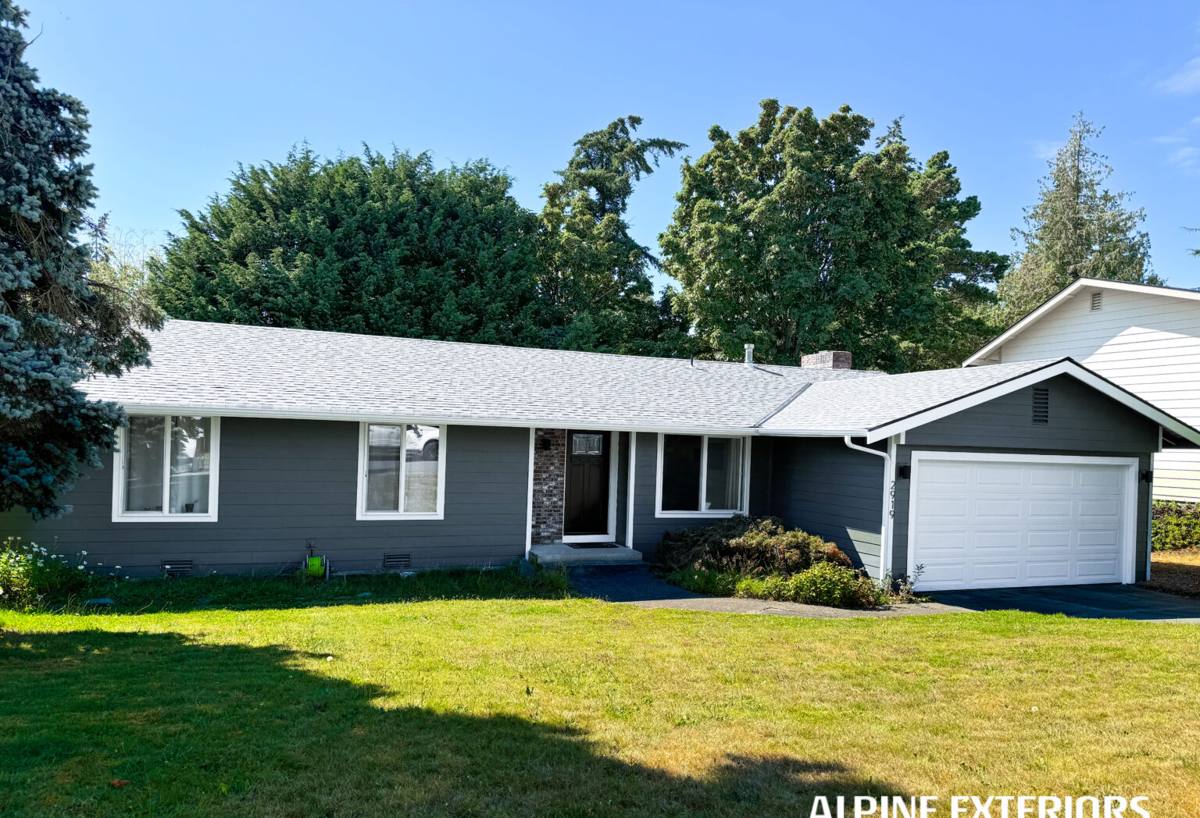
Signs Your Siding Needs Repair, Not Just a Patch
Some damage is obvious. Other damage hides behind siding that still looks fine from the driveway. Here's what we look for, and what you should look for too:
- Soft or spongy spots when you press on the siding, especially near the bottom courses and around windows and doors
- Visible cracking, splitting, or buckling panels, particularly on the sides of the house that catch the most wind and rain
- Bubbling, peeling, or chalky paint that won't hold a fresh coat no matter how well it's prepped
- Dark streaking or a persistent musty smell near seams, corners, or penetrations like hose bibs and vents
- Rust staining bleeding through from fasteners, a common issue in salt air environments
- Gaps opening up at butt joints, corner boards, or trim where caulking has failed
- Any soft spots in the wall sheathing you can feel from inside a closet or garage on an exterior wall
If you're only seeing one or two of these in an isolated area, repair is often the right call. If several of these show up across multiple walls, that's usually a sign the damage has been developing for a while and a broader conversation is worth having.
What's Actually Damaging Siding in This Part of Bradenton
Salt Air and Coastal Humidity
Proximity to the bay means airborne salt settles on every exterior surface, including siding, trim, and fasteners. Over time it accelerates corrosion in metal components and speeds up the breakdown of caulking and paint film. Humidity that never really drops, even overnight, keeps moisture in contact with vulnerable materials far longer than in drier inland climates.
Wind-Driven Rain and Storm Exposure
It's rarely straight-down rain that causes the worst damage — it's rain pushed sideways by wind, forced up under laps and into seams that were never designed to shed water from that angle. Repeated exposure during our stormier months, combined with the occasional hurricane-force event, is what turns a small installation flaw into a real moisture problem behind the siding.
UV and Heat Cycling
Florida sun is relentless, and it doesn't take a break in winter the way it does farther north. Constant UV exposure breaks down cheaper finishes and unprotected wood fibers, while the daily heat-up-and-cool-down cycle stresses caulk joints and fastener holes, gradually loosening things that were installed tight.
Repair or Replace? How We Make That Call Honestly
Not every damaged section needs to become a full re-siding project, and we're not going to tell you it does. But we also won't patch over a problem that's going to resurface in a year. Here's the honest breakdown of what factors into that decision:
| Factor | Favors Repair | Favors Replacement |
|---|---|---|
| Extent of damage | Limited to one or two isolated sections | Recurring across multiple walls or elevations |
| Underlying sheathing | Dry, solid substrate found on inspection | Soft, rotted, or water-stained sheathing discovered |
| Age of existing siding | Relatively recent, still under useful life | Original siding decades old and near end of service life |
| Root cause | Isolated flashing, caulk, or impact damage | Systemic moisture intrusion or original installation defects |
| Material match | Compatible replacement material available | Discontinued profile, color, or product no longer matches |
We'll always open up the affected area before quoting anything, because guessing at what's behind the siding is how homeowners end up paying twice.
What a Correct Siding Repair Actually Involves
Diagnosing the Root Cause First
Cutting out damaged siding and nailing up a new piece doesn't fix anything if the reason it failed is still there. Before any repair, we identify whether the cause was a flashing gap, a failed caulk joint, a fastener that backed out, or moisture that worked in from somewhere else entirely. Skipping this step is the single most common reason repairs fail again within a year or two.
Matching Material and Finish
A repair that doesn't match in profile, reveal, or color sticks out and can actually hurt your home's resale appeal. We source material that matches as closely as possible, and where an exact match isn't available, we talk through the options honestly instead of installing something mismatched and hoping you won't notice.
Rebuilding the Water Management System
Siding is only one layer of a wall's defense against water. A proper repair also means correcting the flashing, house wrap, and drainage details behind the siding so water that does get past the surface has somewhere to go besides your sheathing and framing.
Why We Only Repair and Replace With James Hardie Fiber Cement
When a repair does require new material — whether it's a few boards or a full elevation — we install James Hardie fiber cement, and nothing else. We don't carry vinyl, LP SmartSide, Cemplank, Allura, or unprimed wood siding, and that's a deliberate standard, not an oversight.
Fiber cement doesn't absorb water and swell the way engineered wood products can, it won't soften or delaminate under sustained coastal humidity, and it's non-combustible, which matters to a lot of homeowners regardless of climate. Hardie's HZ5 product line is specifically engineered for high-humidity, hot-climate regions like ours, and the factory-applied ColorPlus finish holds up to UV far better than field-applied paint — which matters a great deal when your siding is baking in Florida sun twelve months a year. It also carries a strong, transferable warranty backed by a manufacturer that's been in this specific product category for decades.
None of that means every other product is worthless — it means that after years of doing this work in salt air and storm conditions, this is the standard we're comfortable putting our name behind.
Our Repair Process, Start to Finish
- On-site inspection where we physically probe suspect areas rather than just looking from the ground
- A written scope explaining exactly what we found, what's causing it, and what repair or replacement we recommend
- Removal of damaged siding and inspection of the sheathing and water barrier underneath
- Correction of the underlying issue — flashing, house wrap, fastening, or drainage — before any new siding goes up
- Installation of matching or replacement Hardie siding, properly fastened and finished per manufacturer spec
- Final walkthrough so you know exactly what was done and what to watch for going forward
Why Hiring a Crew That Already Works in Bayshore Gardens Matters
A contractor who's unfamiliar with this specific stretch of Bradenton is starting from zero every time — relearning how the local climate behaves, how Manatee County permitting and inspections work, and what installation details actually hold up here versus what looks fine on paper. A crew that already works this neighborhood shows up already knowing which details tend to fail first in bay-adjacent homes, and can usually get to your property faster because we're not driving in from across the county.
There's also a trust factor. Siding repair means someone is opening up part of your home's exterior wall. Working with a company that has an established, verifiable local presence — rather than a traveling storm-chasing crew that's gone after one job — gives you someone to call if a question comes up six months later.
Keeping Repaired Siding Protected Going Forward
Once a repair is done right, a little routine attention keeps it that way. Rinse salt residue off siding periodically, especially after dry windy stretches. Keep an eye on caulk joints around trim and penetrations, since that's usually the first thing to show wear in this climate. Trim back vegetation that holds moisture against exterior walls, and after any major storm, walk the exterior looking for anything that shifted, cracked, or came loose. Catching a small issue early is almost always cheaper and simpler than catching it late.
If you're seeing any of the warning signs above, or you just want an honest second opinion on a section of siding that's been bothering you, we're happy to come take a look. The estimate is free, there's no pressure, and you'll get a straight answer about whether you're looking at a repair or something bigger.