 Bradenton
 Siding on a Barrier Island Isn't the Same Job as Siding Inland
Anna Maria Island sits out past the mainland, exposed on three sides to open Gulf water and Tampa Bay. That position gives homeowners some of the best views in Manatee County, but it also means the siding on these homes takes a beating that a house a few miles inland in Bradenton never sees. Salt-laden air moves through the yard every single day, not just during storms. Sun exposure is nearly constant with little tree canopy on many lots. And when a tropical system does come through, wind-driven rain hits these homes from angles that inland siding never has to handle.
We work on Anna Maria Island regularly, alongside our jobs across greater Bradenton, and we've built our process around what this specific environment does to a house over time. This page is about one product, on one stretch of coastline: James Hardie fiber cement siding, installed the way a barrier island home actually needs it installed.
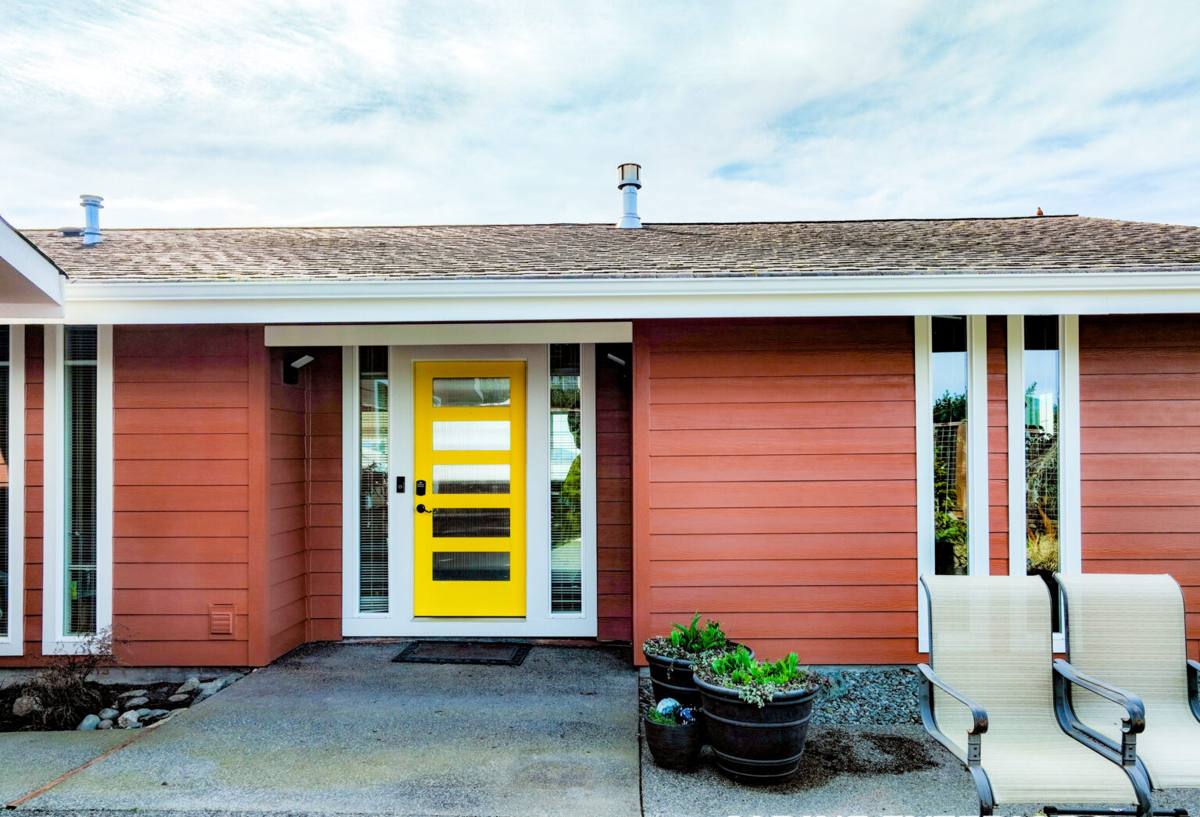
What Salt Air, Sun, and Wind Actually Do to Siding Here
Salt Air Attacks Metal Long Before It Touches the Siding Itself
The biggest difference between an Anna Maria Island install and a Bradenton mainland install isn't the siding material — it's everything that holds the siding on. Standard fasteners, cheap flashing, and unrated trim hardware corrode noticeably faster this close to the water. Once fasteners start to rust or flashing starts to pit, water finds its way behind the siding long before the siding panels themselves show any sign of a problem. A house can look fine from the street while the hardware underneath is already failing.
UV Breaks Down Finishes With Almost No Relief
Many AMI lots are open to full sun for most of the day. Paint film and lower-grade factory finishes chalk, fade, and lose adhesion faster under that kind of exposure, which means repainting cycles come sooner and unevenly — the Gulf-facing wall fades differently than the shaded side.
Wind-Driven Rain Finds Every Weak Seam
During tropical storms and hurricanes, rain on the island doesn't fall straight down — it's pushed sideways, often changing direction as a storm passes. That means every joint, corner, window trim line, and penetration is a potential entry point if it wasn't sealed and lapped correctly the first time. Inland homes get some of this; island homes get it worse and more often.
Why We Install Only James Hardie on Homes Like These
James Hardie fiber cement is engineered for exactly this combination of problems. It's non-combustible, dimensionally stable in heat and humidity, and manufactured with a factory-applied ColorPlus finish that's baked on and UV-cured rather than field-painted — which matters enormously on a lot with no afternoon shade. Hardie's HZ5 product formulation is engineered specifically for hot, humid, high-moisture climates like Florida's, rather than the freeze-thaw conditions their other product lines are built for. That's not a marketing detail — it's the difference between a product designed for this coastline and one that's simply been shipped here.
We don't install LP SmartSide, vinyl, Cemplank, Allura, or raw wood siding on any of our jobs, island or mainland. Each of those products has legitimate uses elsewhere, but each also carries a trade-off — moisture sensitivity, installation tolerance, warranty structure, or long-term maintenance burden — that we're not willing to hand a homeowner on a property that already faces this much environmental stress. James Hardie is the one product we've found holds up to spec when the installation is done correctly, and it's backed by a real transferable warranty that follows the house if it's sold.
What a Correct Installation Actually Involves Here
The material is only half the equation. We've seen Hardie siding installed badly fail well before its expected life, and we've seen it installed right hold up for decades. On Anna Maria Island specifically, correct installation means:
- Stainless steel or hot-dip galvanized fasteners rated for coastal exposure — not the standard fasteners used on inland jobs
- Corrosion-resistant flashing at every window, door, and penetration, lapped correctly so water sheds outward, never inward
- Proper clearance between the bottom of the siding and grade, decks, and roof lines, so splash-back and standing moisture can't wick into the panel edges
- Correctly sized gaps at butt joints and trim, caulked with a sealant rated for sustained UV and salt exposure, not a general-purpose product
- A fastening pattern and nailing schedule that meets Florida Building Code wind requirements for this exposure category — not just a generic pattern
- Careful field-cutting and priming of any cut edges, since an exposed raw edge is where moisture intrusion typically starts
None of this is visible once the job is finished, which is exactly why it matters who does the work. A siding job can look identical from the curb whether or not the flashing and fastener details underneath were done right — the difference only shows up five or ten years later.
Matching the Island's Look, Not Just Its Climate
Anna Maria Island's older beach cottages and newer builds both lean toward a distinct coastal look — clean horizontal lines, soft pastel and weathered-neutral colors, and shingle or board-and-batten accents on gables and dormers. James Hardie's product lines cover that range without forcing a compromise between durability and appearance:
| Product | Typical Use | Why It Fits AMI Homes |
|---|---|---|
| HardiePlank lap siding | Primary wall siding | Clean horizontal lines that match both classic cottage and modern coastal styles |
| HardieShingle siding | Gables, dormers, accent walls | Reproduces a traditional shingle look without the maintenance of real wood shingle in salt air |
| HardieTrim boards | Corners, window and door surrounds, fascia | Consistent factory finish that won't fade or split unevenly the way field-primed trim does |
| ColorPlus finishes | All of the above | Factory-baked color resists UV fade far longer than a field-applied paint job |
How Hardie Compares to the Alternatives in This Exposure
| Factor | James Hardie Fiber Cement | Vinyl Siding | Wood / LP-Style Composite |
|---|---|---|---|
| Salt air / humidity behavior | Engineered for this climate (HZ5), stable | Can warp or become brittle with heat cycling near the water | Prone to moisture absorption at cut edges and seams |
| UV / fade resistance | Factory ColorPlus finish, slow fade | Color molded in, but can chalk and become brittle over time | Field-painted finish fades and needs repainting sooner |
| Wind performance | Rigid, engineered fastening schedule | Lighter panels, more prone to wind lift in gusts | Depends heavily on installation quality |
| Fire | Non-combustible | Combustible | Combustible |
| Long-term maintenance | Low — mainly rinsing and caulk checks | Low, but degrades visually over time | Higher — moisture and edge sealing upkeep |
Our Process for Anna Maria Island Jobs
- On-site assessment — we walk the exterior, check existing fastener and trim condition, and note exposure differences between the Gulf side, bay side, and any sheltered walls
- Material and color plan — matching HardiePlank, trim, and any shingle accents to the home's style and any applicable island architectural guidelines
- Permitting — siding replacement typically requires a permit through the appropriate local building department covering Anna Maria Island's municipalities; we handle that paperwork
- Tear-off and substrate check — we inspect sheathing and framing for hidden moisture damage before any new siding goes up, which is common on older cottage-style homes
- Installation to spec — coastal-rated fasteners, correct flashing and clearances, and a fastening schedule built for this wind exposure
- Final walk-through — we review the finished job with the homeowner before we consider it done
We also plan around the realities of working on a barrier island — bridge access, tighter lots, and in many cases a home that's used seasonally or as a vacation rental. We schedule around those constraints rather than treating an island job like a standard mainland project.
Keeping Hardie Siding Performing Long-Term on the Island
Correctly installed James Hardie siding is low-maintenance, but "low" isn't "none" — especially this close to the water. A simple seasonal routine goes a long way:
- Rinse the exterior with a garden hose a few times a year to clear salt residue, focusing on Gulf- and bay-facing walls
- Walk the exterior after any tropical storm or hurricane and look for lifted trim, cracked caulk lines, or new stains near seams
- Check caulking at trim and window edges annually — it's the first thing that degrades under sustained UV and salt exposure
- Keep vegetation and irrigation heads from spraying directly on siding, which accelerates both salt buildup and moisture exposure
- Have any impact damage from debris inspected promptly rather than waiting for the next storm season
Get a Local Estimate
If you're planning a siding project on Anna Maria Island — whether it's a full re-side after storm damage or you're just tired of repainting every couple of years — we're happy to come take a look and walk you through what correct, climate-appropriate James Hardie installation would involve for your specific home. The estimate is free, and there's no pressure to move forward. Use the form below to get started.