 Bradenton
 Why Ellenton's Climate Is Hard on Exterior Siding
Ellenton sits in the unincorporated stretch of Manatee County between Bradenton and Palmetto, close enough to the Manatee River and Tampa Bay that salt-laden air is a daily fact of life, not an occasional nuisance. Add in Florida's intense, near year-round UV exposure, the wind-driven rain that comes with every summer thunderstorm and every named storm that brushes the Gulf coast, and you have an exterior envelope that is under constant attack from three directions at once: sun, water, and salt.
Most siding materials are engineered for a milder, drier climate and then sold nationwide with the same specs. That mismatch is exactly why so many Manatee County homes show siding failure years before it should happen — not because the homeowner did anything wrong, but because the product or the installation wasn't matched to this environment in the first place. A siding decision in Ellenton isn't cosmetic. It's a structural weather-defense decision.
The Three Forces at Work
- Hurricane-force wind: Even a storm that never makes landfall as a hurricane can push sustained tropical-storm-force gusts through Manatee County, testing every fastener and seam in your siding system.
- UV degradation: Florida sun breaks down pigments, resins, and caulking faster than almost anywhere else in the continental U.S., which is why paint fade and chalking show up early on lower-grade products.
- Wind-driven rain and salt air: Rain rarely falls straight down here — it's pushed sideways into seams, laps, and trim joints, while salt air accelerates corrosion of fasteners and finishes that aren't rated for coastal exposure.
Why We Install Only James Hardie Fiber Cement Siding
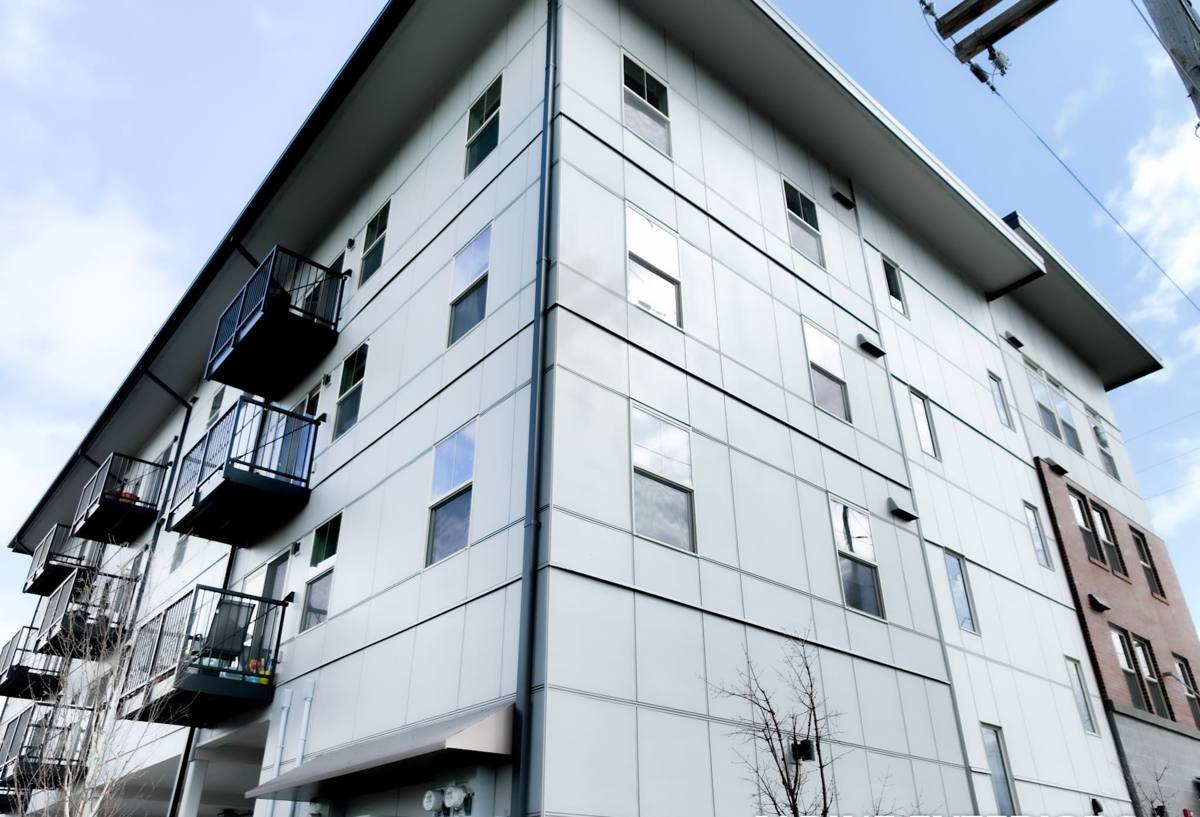
We don't offer a menu of siding brands and let the homeowner pick based on price. After years of servicing homes across Bradenton and Manatee County, we made a standard: James Hardie fiber cement, installed to spec, is the only product we put our name behind. It isn't the cheapest option on paper, and we're upfront about that. But fiber cement's core material — cement, sand, and cellulose fiber — doesn't rot, doesn't feed termites, and doesn't warp the way wood-based or foam-core products can when they take on moisture in a humid coastal climate. It's also non-combustible, which matters to insurers and to homeowners who've watched wildfire coverage tighten up nationally.
We're not going to tell you every other siding product is worthless — plenty of them work fine in the right climate, installed correctly. Our position is narrower and more practical: for what Ellenton homes go through every year, we've found that consistently means James Hardie, and we'd rather turn down a job than install something we don't believe will hold up here.
What HardieZone HZ5 Means for This Area
James Hardie engineers its siding by climate zone, not as a one-size product. Manatee County falls in the HZ5 zone, which accounts for humidity, moisture cycling, and freeze-thaw exposure specific to this part of Florida. That climate engineering shows up in the formulation itself — moisture and mold resistance tuned for exactly the conditions Ellenton homes deal with, rather than a generic national spec.
What a Correctly Installed Fiber Cement Job Actually Involves
Fiber cement siding is only as good as the installation behind it. This is where most siding failures actually originate — not in the material, but in shortcuts taken during the install. A correct James Hardie job in a coastal Manatee County setting includes:
- Proper clearances: Siding held to manufacturer-specified gaps from the roofline, decks, and grade so water has somewhere to go instead of wicking into the bottom edge of the panel.
- Correct fastener pattern and material: Corrosion-resistant fasteners, spaced and set to Hardie's published specs — not gun-nailed on autopilot, which is one of the most common warranty-voiding shortcuts in the industry.
- A weather-resistive barrier underneath: House wrap or building paper installed and lapped correctly so that any water that does get past the siding face has a drainage plane to follow down and out.
- Flashing at every penetration: Windows, doors, vents, and hose bibs all need proper head flashing and kick-out flashing — the exact spots where wind-driven rain finds its way in if it's skipped.
- Correctly caulked and painted joints: Butt joints, trim edges, and cut ends sealed with a quality sealant rated for exterior use, not construction adhesive or a bead of whatever was on the truck.
None of this is exotic. It's the manufacturer's own installation standard. The problem is that skipping any one of these steps is invisible on install day and only shows up two, five, or ten years later as a moisture problem, a warranty denial, or both.
ColorPlus Factory Finish vs. Field Painting
One decision every Ellenton homeowner faces is whether to choose Hardie's ColorPlus factory-applied finish or have the siding field-painted after installation. Given the UV load this area sees, this isn't a minor preference — it changes how the siding ages.
| Factor | ColorPlus Factory Finish | Field-Applied Paint |
|---|---|---|
| Application | Baked on in a controlled factory process before delivery | Applied on-site after installation, weather-dependent |
| UV/fade resistance | Formulated specifically to resist Florida-strength UV fade | Depends entirely on paint quality and application conditions |
| Repaint interval | Backed by its own finish warranty; typically far longer before repaint is needed | Standard exterior repaint cycle, often 5-8 years in this climate |
| Color matching at trim/repairs | Consistent, manufacturer-matched touch-up available | Depends on the painter's ability to match over time |
Signs Ellenton Homeowners Should Watch For
If your current siding is aging out, the warning signs in this climate tend to show up in specific ways. Catching them early keeps a repair from turning into a full replacement.
- Visible warping, buckling, or gaps between panels, especially on walls facing prevailing wind and rain
- Soft or spongy spots when pressed, a sign moisture has already gotten behind the surface
- Persistent chalking or fading well beyond what a simple wash resolves
- Cracked or missing caulk at seams, corners, and trim joints
- Peeling or bubbling paint, particularly on the sun-exposed and salt-exposed sides of the home
- Visible rust streaking from fasteners, indicating corrosion has started at the fastener level
Our Process, Start to Finish
We keep the process straightforward and give homeowners a clear picture of what's happening at each stage:
- On-site evaluation: We walk the exterior, check the current siding condition, look at moisture points, trim, and flashing details, and measure the full envelope.
- Written estimate: A clear scope covering material, HardieZone product line, color, and the labor involved — no vague allowances.
- Tear-off and substrate check: Old siding comes off and we inspect the sheathing underneath for hidden rot or moisture damage before anything new goes up.
- Weather barrier and flashing installation: The drainage plane and all flashing details get installed correctly before a single piece of siding goes on.
- Siding installation to Hardie spec: Correct clearances, fastener pattern, and joint treatment throughout.
- Final walkthrough: We go over the finished job with the homeowner directly, point by point.
What Drives the Cost of a Fiber Cement Siding Job
Every home is different, so we don't quote broad numbers without seeing the property, but the main cost factors are consistent across most Ellenton projects:
| Factor | Why It Matters |
|---|---|
| Home size and wall complexity | More corners, gables, and dormers mean more cuts, trim, and labor hours |
| Current siding removal | Tear-off and disposal of the old material adds time versus a bare substrate |
| Substrate repair | Any rotted or moisture-damaged sheathing found during tear-off needs to be replaced before install |
| Product line and profile | Lap width, board texture, and trim style all affect material cost |
| ColorPlus vs. field paint | Factory finish carries a different upfront cost than field painting, offset by fewer repaints over time |
| Access and site conditions | Multi-story sections, tight lot lines, or landscaping obstacles affect labor time |
Why Hiring a Crew That Already Works Ellenton Matters
Siding installation isn't just a product spec — it's a set of judgment calls that get made on-site: how tight to run clearances above a lanai roof, where kick-out flashing needs to go on a specific roof-to-wall intersection, how to handle a stucco-to-siding transition that's common on Manatee County homes. A crew that's already worked through those details on homes in this area brings that judgment with them instead of learning it on your house.
There's also a practical, unglamorous reason local experience matters: permitting and inspection familiarity. Contractors who regularly pull permits and pass inspections in Manatee County know what the local process expects, which keeps a project moving instead of stalling on avoidable paperwork issues.
Maintaining Fiber Cement Siding in a Coastal Climate
Fiber cement is low-maintenance, not no-maintenance. In an environment like Ellenton's, a little routine attention goes a long way toward hitting the full lifespan of the product:
- Rinse the exterior periodically to clear salt residue and airborne grime before it builds up
- Inspect caulked joints annually, especially after storm season, and re-caulk any cracked or separated sections
- Keep sprinklers and irrigation heads from spraying directly onto siding, which accelerates staining and moisture exposure at the base
- Trim back landscaping so foliage isn't holding moisture against the siding surface
- Have any impact damage from storm debris inspected promptly rather than left to worsen
If your Ellenton home's siding is showing its age, or you're planning ahead of hurricane season, we're happy to take a look and walk you through what we're seeing — no pressure, no obligation. Fill out the form below to request a free estimate.