 Bradenton
 Decks in Cortez Face a Tougher Environment Than Most
Cortez sits right up against the Gulf, and that proximity to open water shapes everything about how an outdoor structure ages there. A deck built to a generic spec sheet might look fine for a season or two, but the combination of salt spray, constant humidity, intense sun, and the threat of hurricane-force wind wears down materials and hardware faster than most manufacturers' warranties assume. Building a deck for this neighborhood means starting with the climate, not the catalog.
We've worked on homes throughout Bradenton and Manatee County long enough to know which details matter here and which ones are just noise. This page covers what a Cortez deck actually needs, what a correctly built one involves, and how we approach the job from first estimate to final walkthrough.
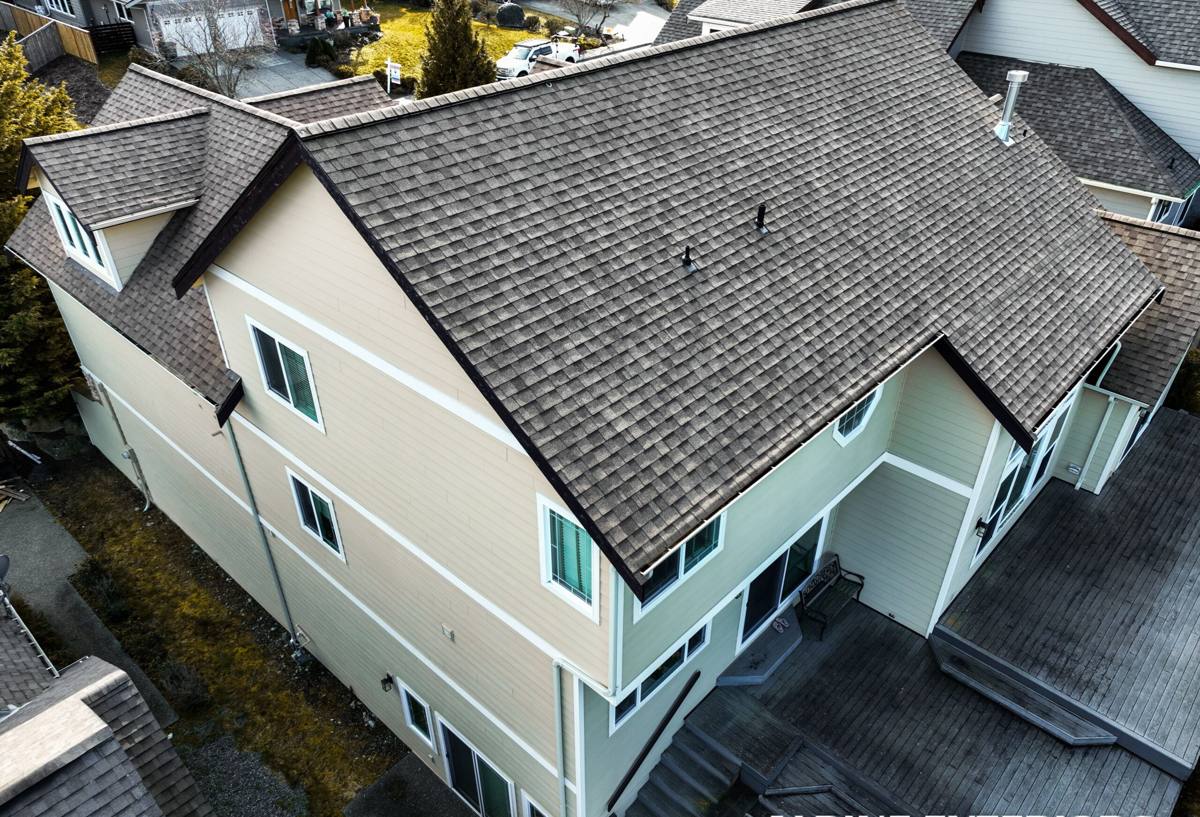
What a Cortez Deck Needs to Survive Long-Term
Salt Air and Corrosion
Airborne salt doesn't stay near the water's edge — it travels on the wind and settles on everything, including fasteners, brackets, and railing hardware. Standard zinc-coated screws and nails corrode quickly in this environment, which weakens connections long before the visible decking shows any wear. Corrosion-resistant fasteners rated for coastal or marine exposure aren't an upsell here; they're the baseline.
UV Exposure and Material Breakdown
Florida sun is relentless year-round, not just in summer. UV breaks down wood fibers, fades color, and makes some composite products go brittle or chalky over time if the wrong formulation is used. Material selection has to account for sustained UV load, not just moisture.
Wind-Driven Rain and Standing Water
Storms here rarely bring rain straight down — wind pushes it sideways and up under railings, fascia, and ledger connections. A deck that doesn't shed water properly, or that traps moisture against the house, sets up rot and mold issues that show up months after the storm has passed.
Hurricane-Force Wind Loads
Wind uplift on an open deck structure is a real structural load, not a minor detail. Railings, posts, and the framing itself need connections engineered to resist wind, not just gravity.
Choosing a Decking Material That Fits the Coast
There's no single "best" decking material — each option is a tradeoff between upfront cost, maintenance, and how it holds up to salt and sun. Here's how the common choices compare for a Cortez property specifically.
| Material | Upfront Cost | Maintenance | Coastal Durability |
|---|---|---|---|
| Pressure-treated pine | Lowest | Annual sealing/staining | Fair — needs consistent upkeep to resist moisture and salt |
| Tropical hardwood (e.g., ipe) | High | Periodic oiling to maintain color | Very good — naturally dense and rot-resistant |
| Capped composite | Mid-high | Occasional washing, no sealing | Good to very good, depending on the cap formulation |
| PVC decking | High | Minimal — washing only | Very good — doesn't absorb moisture, resists salt staining |
We'll walk through these options honestly during your estimate, including which ones we stand behind for a home this close to the water and why. Some lower-grade composite products look good on a showroom sample but haven't proven themselves under sustained coastal UV and salt exposure — we'd rather steer you toward something with a track record than sell you on appearance alone.
What Goes Into a Correctly Built Deck
Footings and Structural Framing
Every deck starts below the surface. Footings need to be sized and placed correctly for the soil and the load the deck will carry, and the framing above them has to be built square, level, and to spacing that matches the decking material's span rating. Skipping this step to save time is the single most common reason decks fail early.
Ledger Board Attachment
When a deck attaches to the house, the ledger board connection is one of the most safety-critical points in the entire structure. It has to be properly flashed to keep water from getting behind the siding and into the house framing, and bolted with the correct hardware and spacing — not just nailed on. Where the house structure or siding type makes a ledger connection risky, a freestanding deck design is often the better call.
Fasteners and Hardware
As covered above, coastal-rated fasteners and structural connectors matter more here than almost anywhere else in the state. We use hardware rated for exposure to salt air, and we don't mix metals in ways that cause galvanic corrosion between dissimilar fasteners.
Hurricane Strapping and Uplift Connections
Posts, beams, and railing posts get tied down with hardware designed to resist wind uplift and lateral load, not just standard toe-nailing. This is the kind of detail you can't see once the deck is finished, which is exactly why it has to be done right the first time.
Permits, Setbacks, and Manatee County Requirements
Most new deck construction in Manatee County requires a permit, and the requirements cover structural design, railing height, guard spacing, and stair geometry, along with setback distances from property lines. Properties near the water can also have additional flood zone or elevation considerations that affect how the deck is designed. We handle the permitting process as part of the job — pulling the permit, scheduling inspections, and building to what the approved plans require — so you're not left tracking down paperwork on your own.
Our Process, Start to Finish
We keep the process straightforward and communicate at each stage so there are no surprises partway through the build.
- On-site visit to assess the space, discuss how you'll use the deck, and talk through material options given your budget and the property's exposure to sun and salt.
- A written estimate that spells out material choice, structural approach, and a realistic timeline.
- Design and permitting, including engineering details where the county requires them and coordination with any HOA guidelines that apply.
- Site prep and footings, built to the load and soil conditions on your property.
- Framing, using coastal-rated fasteners and connectors throughout.
- Decking, railing, and stair installation, finished to code for guard height and baluster spacing.
- Final walkthrough and inspection sign-off, so you know exactly what was done and what maintenance it needs going forward.
Railings, Stairs, and Code-Required Safety Details
Railings and stairs are where a lot of the visible design personality of a deck shows up, but they're also governed by strict code requirements for a reason. Guard height, baluster spacing, and stair rise-and-run all have to meet code, and on a deck exposed to strong coastal wind, railing posts need secure structural attachment, not just surface-mounted brackets. We build these details to hold up structurally first, then work with you on the style — cable rail, traditional baluster, or a mix of materials — that fits the look of your home.
Keeping a Coastal Deck in Good Shape
Even a well-built deck needs some seasonal attention in a salt-air environment. A little regular upkeep goes a long way toward protecting the investment.
- Rinse the deck surface periodically to wash off accumulated salt residue, especially after dry, windy stretches.
- Check railing posts and stair connections annually for any looseness or corrosion at the hardware.
- Reseal or oil wood decking on the schedule recommended for that specific species — don't wait until it looks faded.
- Keep an eye on any area where the deck meets the house for signs of trapped moisture or soft wood.
- Clear debris from between boards so water can drain freely instead of pooling.
- After a significant storm, do a quick visual check of railings, stairs, and footings before heavy use resumes.
Why Hire a Crew That Already Works in Cortez
A deck built by someone unfamiliar with this specific stretch of coastline can look identical to one built by a local crew — right up until the salt air and the next big storm expose the difference. Knowing which fasteners actually hold up here, how to detail a ledger connection so it doesn't trap moisture against the house, and what Manatee County inspectors expect to see isn't something you learn from a spec sheet. It comes from building decks in this exact environment, on homes with the same sun and wind exposure as yours, and standing behind that work afterward.
If you're planning a new deck or replacing one that didn't hold up the way it should have, we're happy to take a look at your property and talk through honest options for your budget and how you'll use the space. Reach out for a free, no-pressure estimate — there's a quick form below to get started.