 Bradenton
 Roofing on a Barrier Island Isn't the Same Job as Roofing Inland
Bradenton Beach sits out on Anna Maria Island, which means every roof here deals with a harsher version of what the rest of Manatee County faces. The salt air rolling off the Gulf accelerates corrosion on fasteners and metal flashing. Wind off open water hits harder and more often than it does a few miles inland. And the sun here is relentless nearly every day of the year, which breaks down roofing materials faster than most homeowners expect. A shingle roof that would hold up fine in a shaded, inland neighborhood can wear out years earlier on a barrier island lot with no windbreak and full sun exposure.
None of this means asphalt shingles are the wrong choice for a home in Bradenton Beach — they're still one of the most practical, cost-effective roofing systems available, and a huge share of homes on the island use them successfully. What it means is that the details of the installation matter more here than they would somewhere calmer. Fastener choice, nailing pattern, underlayment, flashing, and ventilation all need to be treated as load-bearing decisions, not afterthoughts.
What Local Conditions Actually Do to a Shingle Roof
Wind
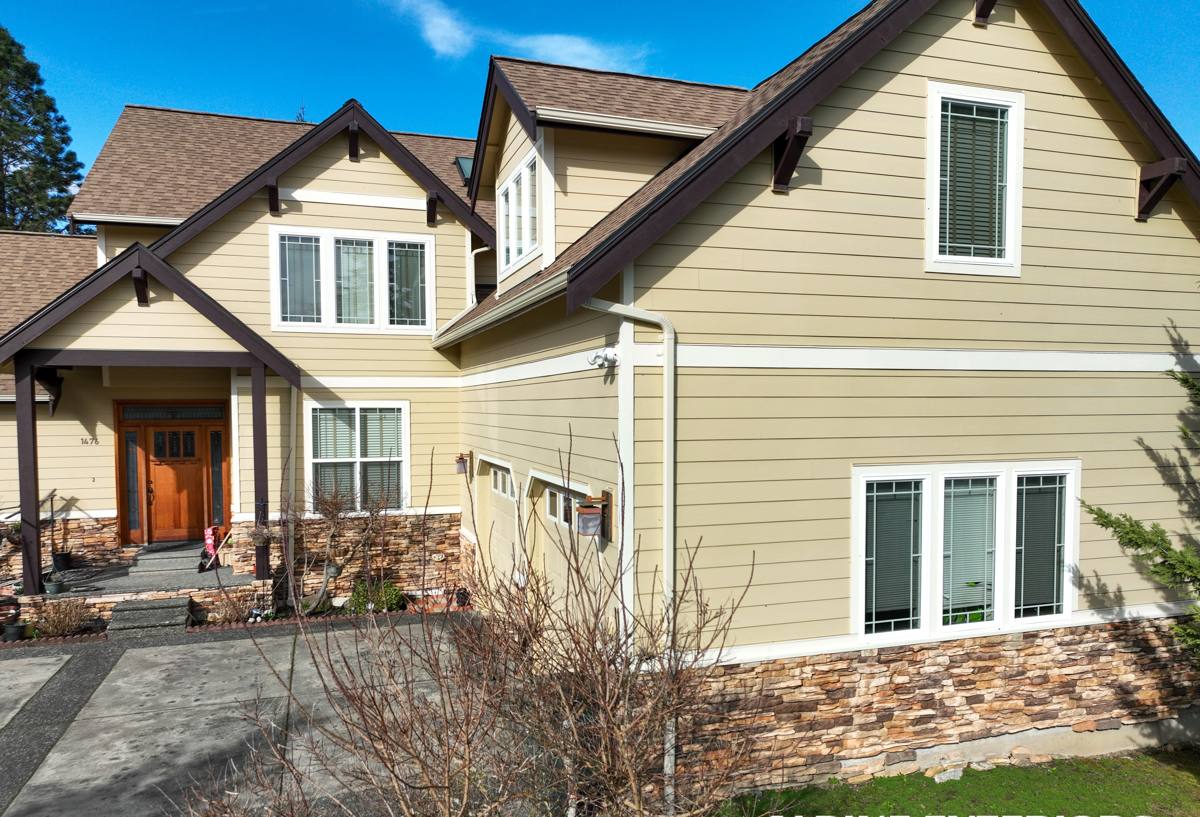
Hurricane-force and tropical-storm-force winds put uplift pressure on shingles, especially at ridges, edges, and corners where wind speeds accelerate. A shingle roof fails from the edges inward almost every time — starter strips, rake edges, and ridge caps take the first hit. A roof that's properly fastened and sealed at these transition points will survive storms that peel a poorly installed roof apart shingle by shingle.
UV and heat
Florida sun breaks down the asphalt oils in shingles over time, making them brittle. Brittle shingles crack, lose granules faster, and lose their ability to seal down and stay flat. A roof that bakes in full sun all day, with no tree cover, will show granule loss and curling sooner than the same product installed on a shaded lot.
Salt air and moisture
Being this close to the Gulf means airborne salt settles on every exposed surface, including fasteners, flashing, and vents. Standard fasteners corrode faster in this environment, and corroded fasteners lose their grip long before the shingle above them wears out. Wind-driven rain also finds its way into any gap in flashing or underlayment that wouldn't leak in a normal rainstorm, so waterproofing details that are "good enough" elsewhere aren't good enough here.
What a Correctly Installed Roof Needs in Bradenton Beach
A shingle roof built for this location isn't just "shingles nailed to plywood." It's a system, and every layer has a job:
- Corrosion-resistant fasteners — standard galvanized nails corrode faster in salt air; hot-dip galvanized or stainless fasteners hold up longer near the coast.
- Enhanced nailing pattern — six nails per shingle instead of four is standard practice for high-wind coastal exposure, not an upsell.
- Sealed, storm-rated underlayment — a synthetic or self-adhering underlayment gives the roof deck a real second line of defense if shingles do lift or lose granules.
- Properly detailed flashing — at every wall, chimney, skylight, and valley, since these are where wind-driven rain actually gets in.
- Balanced ventilation — intake at the soffits and exhaust at the ridge, so heat and moisture don't get trapped in the attic and cook the deck from underneath.
- Wind-rated starter strips and ridge caps — these small components fail first in a storm, and using rated products at these edges matters more than the field shingle choice.
None of this is exotic. It's the difference between a crew that treats every roof the same and a crew that builds specifically for a barrier island exposure.
Signs Your Bradenton Beach Roof Needs a Look
Because of the sun and salt exposure here, shingle roofs tend to show wear in specific, recognizable ways before they actually start leaking. Worth checking for:
- Granules collecting in gutters or at downspout outlets, especially after a hard rain
- Shingles that look curled, cupped, or lifted at the edges rather than lying flat
- Cracked or missing shingles, particularly along ridges and rake edges after a windy stretch
- Rust staining around vent pipes, flashing, or fastener heads
- Soft spots or sagging when walked on (a sign of deck moisture, not just surface wear)
- Visible daylight or water stains in the attic, especially near valleys or chimneys
- A roof that's within a few years of its expected service life and hasn't been inspected recently
Any one of these on its own might be minor. Several at once usually means it's time for an inspection before the next storm season, not after.
Shingle Options and What They Trade Off
Most homeowners in Bradenton Beach are choosing between a handful of asphalt shingle grades. The right one depends on budget, how long you plan to stay in the home, and how much wind resistance you want built into the product itself before installation details even come into play.
| Shingle Type | Typical Wind Rating | Trade-offs |
|---|---|---|
| Standard 3-tab | Lower wind rating, lighter weight | Lowest cost, but the thinnest option and the first to show wear in intense sun and coastal wind |
| Architectural (laminate) | Higher wind rating than 3-tab | Better durability and appearance, the most common choice for coastal homes wanting a balance of cost and performance |
| Impact-rated architectural | Highest wind rating among asphalt options | Added upfront cost, but often qualifies for insurance credits and holds up best to wind-driven debris |
We'll walk through which grade makes sense for your specific roof, budget, and how long you're planning to own the home — there's no single "right" answer for every house.
How We Approach a Shingle Roof Job Here
- Inspection and honest assessment — we look at the deck, flashing, ventilation, and existing shingle condition before recommending repair or replacement, not just the shingles on top.
- Clear scope and materials — you know exactly which shingle line, underlayment, and fastener spec is going on your roof, and why, before work starts.
- Deck prep — any soft or water-damaged decking gets replaced; new shingles over a compromised deck don't hold up regardless of quality.
- Underlayment and flashing first — this is the waterproofing layer that matters most when wind-driven rain gets past the shingles themselves.
- Shingle installation to spec — correct nailing pattern, exposure, and alignment, with extra attention at ridges, valleys, and edges.
- Ventilation check — confirming intake and exhaust are balanced so the new roof isn't trapping heat and moisture from day one.
- Final walk-through — cleanup, a look at the finished work together, and a straightforward explanation of what was done.
Repair or Full Replacement?
When repair makes sense
If the roof is relatively young, the damage is localized (a few storm-damaged shingles, one area of flashing), and the rest of the roof is sound, a targeted repair is the honest recommendation. There's no reason to push a full replacement on a roof that has years of service life left.
When replacement is the better call
If the shingles are widely curled or brittle, granule loss is heavy across the whole roof, or the roof is old enough that repairs would just be patching a system that's failing everywhere at once, replacement is usually the more cost-effective path. Repeated repairs on a roof at the end of its life tend to cost more over time than one properly done replacement, and they don't address a deck or ventilation problem underneath.
Permits, Wind Mitigation, and Insurance
Roofing work in Manatee County requires a permit, and inspections confirm the work meets current wind-resistance requirements for this region — this isn't optional paperwork, it's what protects you if a claim ever comes up later. A new roof installed to current code can also qualify for a wind mitigation inspection, which can lower your windstorm insurance premium. We handle the permitting process as part of the job, and we'll point you toward wind mitigation documentation once the work is done.
Why Local Experience in Bradenton Beach Matters
A crew that only occasionally works barrier island properties may default to standard mainland practices — standard fasteners, standard nailing patterns, standard underlayment. On a home exposed to full Gulf wind and salt air, "standard" often isn't enough. Working this area regularly means knowing which corners fail first in a storm, which fastener specs actually hold up against salt corrosion, and how to sequence a job around the practical realities of an island community — narrower access, tighter lots, and weather windows that can close quickly. That experience shows up in details that aren't visible until years later, when a properly built roof is still doing its job and a corner-cut one isn't.
Keeping a Shingle Roof Healthy After Installation
Even a well-built roof benefits from basic upkeep in this climate:
- Clear gutters and downspouts regularly so water doesn't back up under the roof edge
- Trim back any overhanging branches to reduce debris and shade-related moisture buildup
- Have the roof looked at after any major storm, even if nothing looks obviously wrong from the ground
- Get a professional inspection every couple of years, especially as the roof ages past the halfway point of its expected life
- Address small issues (a lifted shingle, a small flashing gap) promptly rather than waiting for a leak to show up inside
Regular attention costs far less than storm damage that goes unnoticed for months.
If you're seeing wear on your roof, planning ahead of hurricane season, or just want an honest read on where your roof stands, we're happy to take a look. Fill out the form below for a free, no-pressure estimate on your Bradenton Beach home.