 Bradenton
 Roofing in Braden River Has to Answer to the Weather
Braden River homes sit close enough to the Gulf and Tampa Bay that salt-laden air reaches every roof in the area, even blocks from open water. Add Manatee County's summer storm pattern, the threat of hurricane-force gusts each season, and a sun angle that beats down on shingles nearly twelve months a year, and you have one of the tougher environments in Florida for asphalt shingle roofing to hold up in. A roof that would last decades in a drier, cooler climate can show real wear here in half that time if it wasn't installed with this specific area in mind.
That doesn't mean asphalt shingles are a poor fit for Braden River. They remain one of the most practical roofing choices for the area when the materials, fasteners, and underlayment are matched to local wind and moisture conditions. The problem is almost never the shingle itself — it's a roof that was installed to a generic standard instead of a Manatee County one.
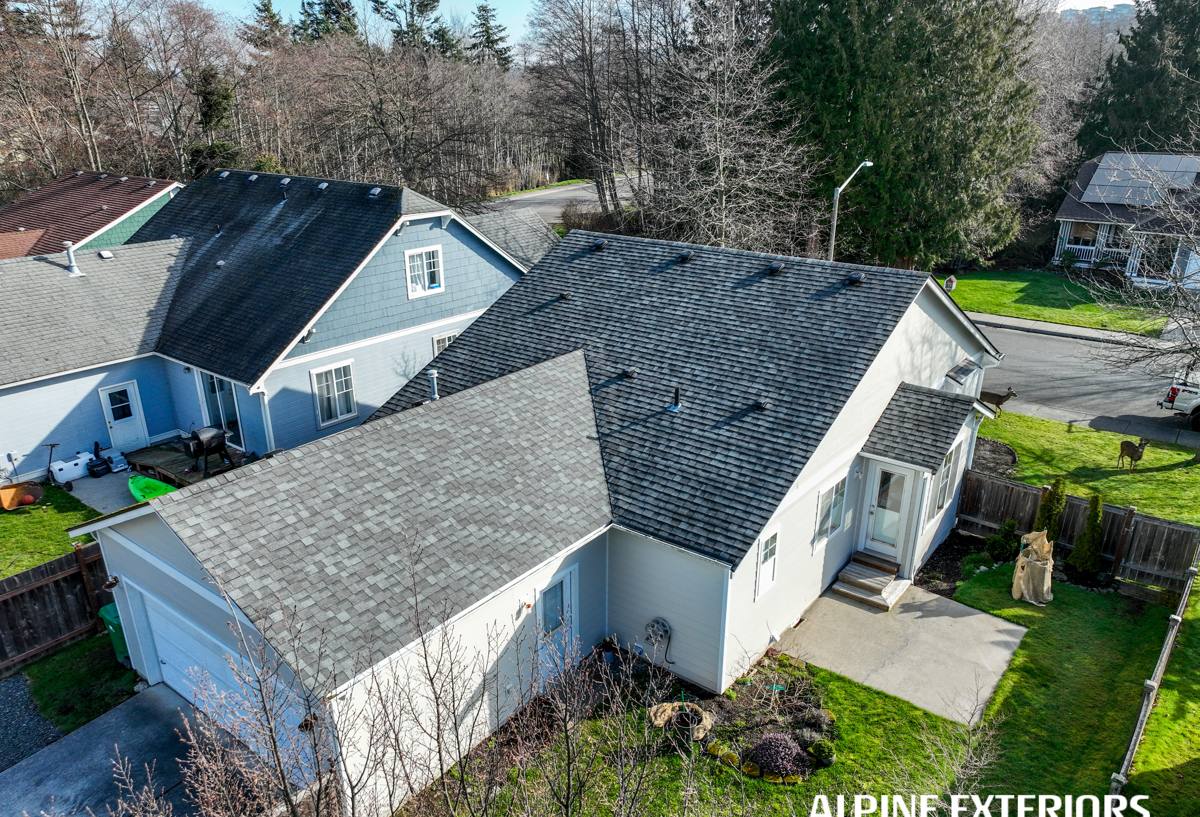
What Braden River's Climate Actually Does to a Roof
Wind
Tropical storms and hurricanes push wind-driven rain sideways under shingle edges and through any gap in the seal. Uplift at the eaves, rakes, and ridge is where most storm damage starts, which is why fastening pattern and shingle wind rating matter more here than in most parts of the country.
UV exposure
Florida sun is relentless year-round, not seasonal. UV breaks down asphalt oils over time, which is what eventually leads to granule loss and brittle shingles — long before the shingle's rated lifespan runs out if the roof isn't ventilating heat properly.
Salt air
Even away from the immediate coastline, salt carried on Gulf breezes accelerates corrosion on exposed metal — flashing, fasteners, vent stacks, and drip edge. A roofing job that uses the wrong metal, or skips proper flashing details, corrodes faster in Braden River than it would inland.
Humidity and moisture cycling
Constant humidity combined with afternoon storms means roofs here go through more wet-dry cycles than most. Poor attic ventilation traps moisture underneath the deck, which shortens shingle life from below at the same time UV is working on it from above.
What a Correct Asphalt Shingle Roof Requires Here
A roof built for Braden River isn't just "shingles nailed to plywood." Every layer has a job to do against this specific climate:
- Wind-rated shingles matched to the exposure of the home, not just the cheapest option on the shelf
- Enhanced nailing patterns — six nails per shingle in high-wind applications rather than the minimum four
- Self-adhering underlayment at eaves, valleys, and penetrations to seal against wind-driven rain if the shingle layer is ever compromised
- Corrosion-resistant flashing and fasteners around chimneys, vents, and walls to withstand salt air
- Balanced intake and exhaust ventilation so attic heat and moisture don't cook the deck from underneath
- Proper drip edge and starter strip installation at every eave and rake, which is one of the most commonly skipped details on rushed jobs
None of these add much to the cost of a job when they're planned from the start. They become expensive, disruptive repairs when they're missing and discovered after storm damage.
Signs a Braden River Roof Needs Attention
Because most shingle failure here is gradual, it's easy to miss until a storm exposes it. Homeowners in the area should watch for:
- Granules collecting in gutters or at downspout outlets
- Shingles that look curled, cupped, or lifted at the edges
- Dark streaking across the roof surface (typically algae, not structural damage, but worth noting)
- Soft spots or sagging when walked on, which can indicate deck moisture
- Visible cracked or missing shingles after any significant wind event
- Rusty streaks near flashing, vents, or fasteners
- Higher cooling bills, which can point to failing attic ventilation
Any one of these on its own may not mean an emergency, but ignoring several at once is how a repairable roof turns into a full replacement.
How Our Asphalt Shingle Roofing Process Works
1. On-site inspection and honest assessment
We start by looking at the whole system — deck condition, existing ventilation, flashing points, and the age and wear pattern of the current shingles — rather than assuming a full tear-off is the only option.
2. A written scope, not a vague estimate
You get a clear breakdown of what's being replaced, what underlayment and fastening approach we're using, and why, so there's no ambiguity about what "a new roof" actually includes.
3. Tear-off and deck inspection
Old material comes off down to the deck so we can check for rot, soft spots, or prior repair shortcuts that a re-roof over existing shingles would hide.
4. Deck repair where needed
Any damaged sheathing gets replaced before a single course of underlayment goes down. Installing new shingles over a compromised deck is a shortcut that fails early, and we don't do it.
5. Underlayment and flashing
Self-adhering membrane at vulnerable areas, felt or synthetic underlayment across the field, and new flashing at every wall, chimney, and penetration — matched to the corrosion resistance salt air demands.
6. Shingle installation to wind-rated spec
Starter strip, field shingles, and ridge cap installed with the nailing pattern appropriate to the home's exposure, not just a builder-grade minimum.
7. Ventilation check
We confirm intake and exhaust are balanced so the new roof isn't fighting trapped heat and moisture from day one.
8. Final walkthrough
We go over the finished roof with you, point out the details that were addressed, and answer questions before we consider the job done.
Shingle Options: What They Actually Offer
Homeowners in Braden River usually choose between a few tiers of asphalt shingle. Each has real trade-offs worth understanding before deciding.
| Shingle Type | Typical Wind Rating | Best For | Trade-Offs |
|---|---|---|---|
| 3-tab shingle | Lower end of standard ratings | Budget-conscious projects, secondary structures | Less wind margin, shorter service life in this climate, flatter appearance |
| Architectural (laminate) shingle | Mid-to-high wind ratings depending on line | Most primary homes in the area | Higher upfront cost than 3-tab, but better wind performance and appearance |
| Impact-resistant architectural shingle | Highest available wind ratings, often paired with impact rating | Homes prioritizing storm resilience or seeking insurance credits | Highest material cost; benefit depends on insurer's specific discount structure |
| Algae-resistant (AR) shingle | Varies by base shingle type | Homes with heavy shade or humidity exposure | Slight cost premium over standard granules; helps slow discoloration, not a wind upgrade |
We'll walk through which tier makes sense for your home's exposure, roof pitch, and budget rather than defaulting to whatever carries the best margin — the right shingle is the one matched to your actual roof, not a one-size answer.
What Drives Asphalt Shingle Roofing Costs
Every roof is priced on its own specifics, but the factors that move the number the most are consistent across Braden River projects:
| Factor | Why It Matters |
|---|---|
| Roof size and pitch | More surface area and steeper slopes both increase labor and material needs |
| Number of layers to remove | Tear-off of multiple existing layers adds labor and disposal cost |
| Deck condition | Rotted or soft sheathing requires replacement before shingles go on |
| Shingle tier chosen | 3-tab, architectural, and impact-rated products carry different material costs |
| Roof complexity | Valleys, dormers, chimneys, and skylights all add flashing and labor time |
| Ventilation upgrades | Adding or correcting intake/exhaust vents is often bundled with a re-roof |
| Permitting requirements | Manatee County permitting and required inspections are part of a compliant job |
We'll go over which of these apply to your specific roof during the estimate, so the number you get reflects your home rather than a generic square-footage rule of thumb.
Permits, Wind Codes, and Insurance Considerations
Roofing work in Manatee County is permitted and inspected, and for good reason — the county's building code reflects the real hurricane exposure the area faces. A properly permitted job means the fastening schedule, underlayment, and flashing were installed to a standard that's actually verified, not just promised. It also matters at resale and for insurance: many carriers ask for documentation of roof age, material, and permit history when writing or renewing a policy, and some offer credits for wind-rated or impact-resistant materials. We handle the permitting process as part of the job rather than leaving it for the homeowner to sort out.
Why Hiring a Crew That Already Works in Braden River Matters
A roofing crew that works around Bradenton and Manatee County regularly already knows the area's wind exposure requirements, has a working relationship with the local permitting office, and has seen firsthand how salt air and storm cycles affect roofs in this specific area — not just Florida in general. That local familiarity shows up in small decisions: which flashing metal to use, how much ventilation a given attic actually needs, and where wind-driven rain tends to find its way in on homes with this area's typical roof lines. An out-of-area crew unfamiliar with those patterns is more likely to build to a generic code minimum instead of what actually holds up here.
Caring for Your Roof After Installation
A well-installed asphalt shingle roof in Braden River still benefits from basic upkeep between storms:
- Clear gutters and downspouts regularly so water doesn't back up under shingle edges
- Trim overhanging branches that drop debris or hold moisture against the roof surface
- Have the roof looked at after any major wind event, even if no damage is visible from the ground
- Watch for granule buildup in gutters as an early wear indicator
- Keep attic ventilation clear of insulation blocking soffit vents
Catching small issues early is almost always cheaper than waiting for a leak to show up inside the house.
If you're weighing a repair, a full replacement, or just want an honest read on where your Braden River roof currently stands, we're glad to take a look. Fill out the form below for a free, no-pressure estimate.