 Bradenton
 Why Longboat Key Windows Wear Out Differently
Longboat Key sits on a barrier island, which means its homes take a different kind of beating than a house ten miles inland. You've got direct salt air rolling off the Gulf and the bay side, near-constant UV exposure, wind-driven rain that finds every weak seal, and the real possibility of hurricane-force winds during storm season. Windows here don't fail because they're old in the ordinary sense — they fail because the aluminum hardware corrodes, the seals break down faster than they would in Bradenton proper, and the frames take on moisture that regular inland windows are never asked to handle.
If you've owned a home on the Key for more than a few years, you've probably already noticed it: pitting on window frames, hardware that's stiffened up or rusted, glass that's gone cloudy between the panes, or a musty smell after a heavy rain that suggests water is getting past the seal somewhere. That's typical wear for this exposure, not a sign you did anything wrong — it just means it's time to replace with something built for the environment instead of patching something that wasn't.
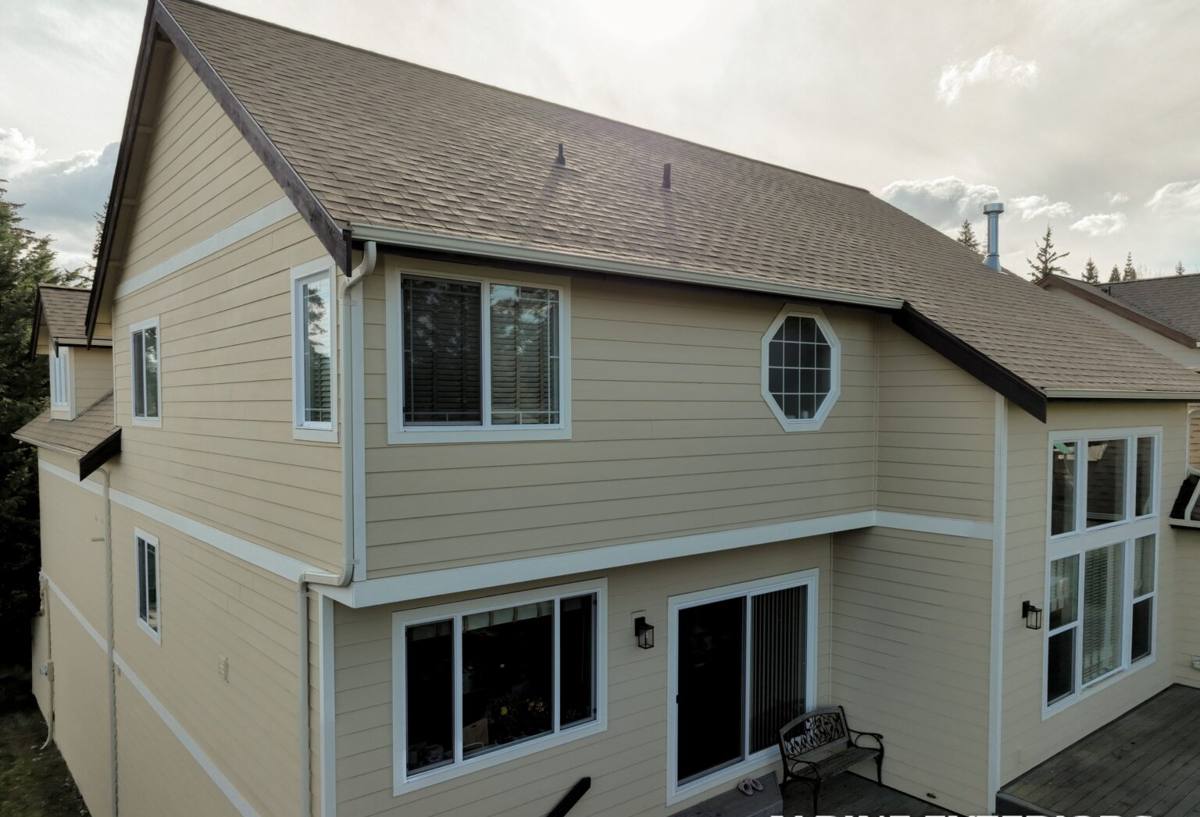
What a Correct Window Replacement Looks Like Here
A window that's "fine" in a subdivision further inland can be the wrong product entirely for a barrier island. Getting it right on Longboat Key comes down to a few things working together:
Wind and impact performance
Coastal Manatee County construction falls under Florida Building Code wind-borne debris region requirements, which on a barrier island like Longboat Key generally means every opening needs either impact-rated glass or an approved protective covering. We size and spec windows to the actual wind loads for your specific location and exposure — a beachfront property facing open Gulf exposure isn't rated the same as a home tucked closer to the bay side.
Water management, not just a good seal
Wind-driven rain during a tropical system doesn't just test the glass — it tests the flashing, the sill pan, and how the window is integrated with your wall assembly. A window can be rated correctly and still leak if the installation around it isn't detailed for wind-driven water intrusion. This is where a lot of failures actually start, and it's rarely the window itself that's at fault.
Corrosion-resistant hardware and frame materials
Salt air is hard on standard hardware and certain metals. We select frame materials and hardware finishes with that in mind rather than defaulting to whatever's cheapest to source, because replacing corroded hardware in year three is a cost nobody wants.
Impact-Rated Glass vs. Protective Coverings
Homeowners on the Key often ask whether they need full impact glass or whether shutters and panels are enough to satisfy code. Both are legitimate paths, but they carry different tradeoffs worth understanding before you decide.
| Factor | Impact-Rated Windows | Standard Windows + Shutters/Panels |
|---|---|---|
| Storm prep effort | None — always ready | Must deploy coverings before every storm |
| Daily UV/noise protection | Better UV and sound dampening year-round | No added benefit outside storm events |
| Upfront cost | Higher per window | Lower window cost, added shutter/panel cost |
| Look and light | Unobstructed views at all times | Views blocked when panels are up |
| Long-term maintenance | Glass and frame only | Tracks, hardware, and panel storage add upkeep |
Neither option is wrong — it depends on your budget, how often you're able to be on-site to prepare for a storm, and how the home is used. We'll walk you through what's realistic for your specific property rather than pushing one option across the board.
Our Process for a Longboat Key Replacement
- On-site assessment. We look at existing window condition, frame material, current flashing and water management, and note anything specific to your home's exposure (Gulf-facing, bay-facing, elevation, shade).
- Product selection. We spec glass and frame options rated for your wind zone and walk through the impact-glass-versus-covering decision with real numbers, not a sales pitch.
- Permitting. Barrier island permitting can involve both county and local review depending on your property's location, and coastal construction adds steps that inland jobs don't need. We handle the permit package and inspections so you're not chasing paperwork.
- Removal and installation. Old windows come out, the opening is checked and corrected for rot or water damage before anything new goes in, and new windows are installed with proper flashing and sealant detailing — not just caulked in place.
- Final inspection and walkthrough. We confirm operation, seal integrity, and code sign-off, and go over basic care for your new windows in a salt-air environment.
What to check before you sign with anyone for this kind of job
- Are they pulling the actual permit, or asking you to pull it yourself?
- Do they know the wind-load and impact requirements for your specific address, not just "coastal Florida" in general?
- Will they inspect and repair the rough opening if there's hidden water damage, or just install over it?
- Do they offer both impact glass and covered-opening options, or only sell one product line?
- Is there a written warranty on both the product and the labor/installation separately?
- Have they actually worked on Longboat Key before, or is this their first barrier-island job?
Frame Material: What Actually Holds Up
Frame choice matters more on a barrier island than almost anywhere else in the region. A few honest tradeoffs:
Vinyl
Vinyl resists salt corrosion well since there's no metal to pit or rust, and it's typically the most budget-friendly option. The tradeoff is that in direct, intense southern sun over many years, lower-grade vinyl can discolor or become brittle — so the quality of the vinyl formulation matters more here than it would inland.
Aluminum
Aluminum frames are strong and slim, which some homeowners prefer aesthetically, but bare aluminum is more exposed to salt-air corrosion unless it's properly coated and maintained. We treat aluminum as a material that needs a maintenance conversation up front, not something to install and forget.
Fiberglass
Fiberglass tends to hold up very well against both UV and salt exposure and doesn't expand/contract as much with temperature swings, but it typically costs more than vinyl. For homes with heavy direct exposure, it's often worth the difference.
There's no universally "best" material — it depends on your budget, your home's specific exposure, and how much upkeep you're willing to do. We'll give you a straight answer on what we'd put in our own house at your address.
Permitting and Code Compliance on the Island
Window replacement on Longboat Key isn't a swap-and-go job from a compliance standpoint. Depending on exactly where your property sits, permitting may route through Manatee County or through local jurisdiction, and coastal properties often carry additional review for wind load, flood zone, and elevation considerations that a mainland Bradenton permit wouldn't trigger. Skipping or shortcutting this step is one of the most common ways homeowners end up with problems at resale — an unpermitted window replacement can hold up a closing. We manage the permit process as part of the job, not as an add-on.
Why Local Experience on This Island Matters
A crew that mainly works inland jobs can still install a window correctly on paper and still get it wrong for Longboat Key — because the failure points here aren't generic. It's knowing which side of a property typically takes the worst wind-driven rain, understanding how salt-laden air accelerates hardware wear compared to five miles inland, and having already been through the specific permitting path for this stretch of coast. A crew that's done this work on the Key before isn't guessing at wind exposure category or scrambling to learn barrier-island flashing details on your house. That familiarity shows up later, in fewer callbacks and fewer surprises during storm season.
Living With Coastal Windows: Basic Upkeep
Even the right product needs some ongoing attention in this environment:
- Rinse frames and hardware periodically to clear salt buildup, especially after windy stretches without rain.
- Check weep holes and drainage tracks so water has somewhere to go instead of sitting against the frame.
- Test locks and hardware operation a couple of times a year — stiffness is often the first sign of corrosion starting.
- Have seals and caulking inspected periodically, since UV and salt air both accelerate breakdown compared to inland homes.
None of this is heavy maintenance, but it's more than a window fifteen miles inland typically needs, and skipping it is how small issues turn into leaks.
If your windows are showing their age, letting in noise or drafts, or you're simply planning ahead of the next storm season, we're happy to take a look and give you a straightforward, no-pressure estimate — just fill out the form below and we'll go from there.