 Bradenton
 Roof Replacement Built for Rosedale's Climate
Homes in Rosedale sit under the same Gulf Coast sky as the rest of Bradenton, but a roof here works harder than most homeowners realize. Between tropical storm season, months of unrelenting UV exposure, and the corrosive drift of salt air off Tampa Bay and the Gulf, a roofing system that isn't matched to this environment fails early — sometimes years before its rated lifespan runs out. A roof replacement in this neighborhood isn't just about swapping old shingles for new ones. It's about rebuilding the whole system — decking, underlayment, ventilation, flashing, and fasteners — so it can actually take what Manatee County weather throws at it.
We work Rosedale regularly, alongside the rest of Bradenton and greater Manatee County, so we already know what tends to go wrong on roofs in this area and where builders and prior installers commonly cut corners. That local familiarity shapes how we scope, price, and install every replacement.
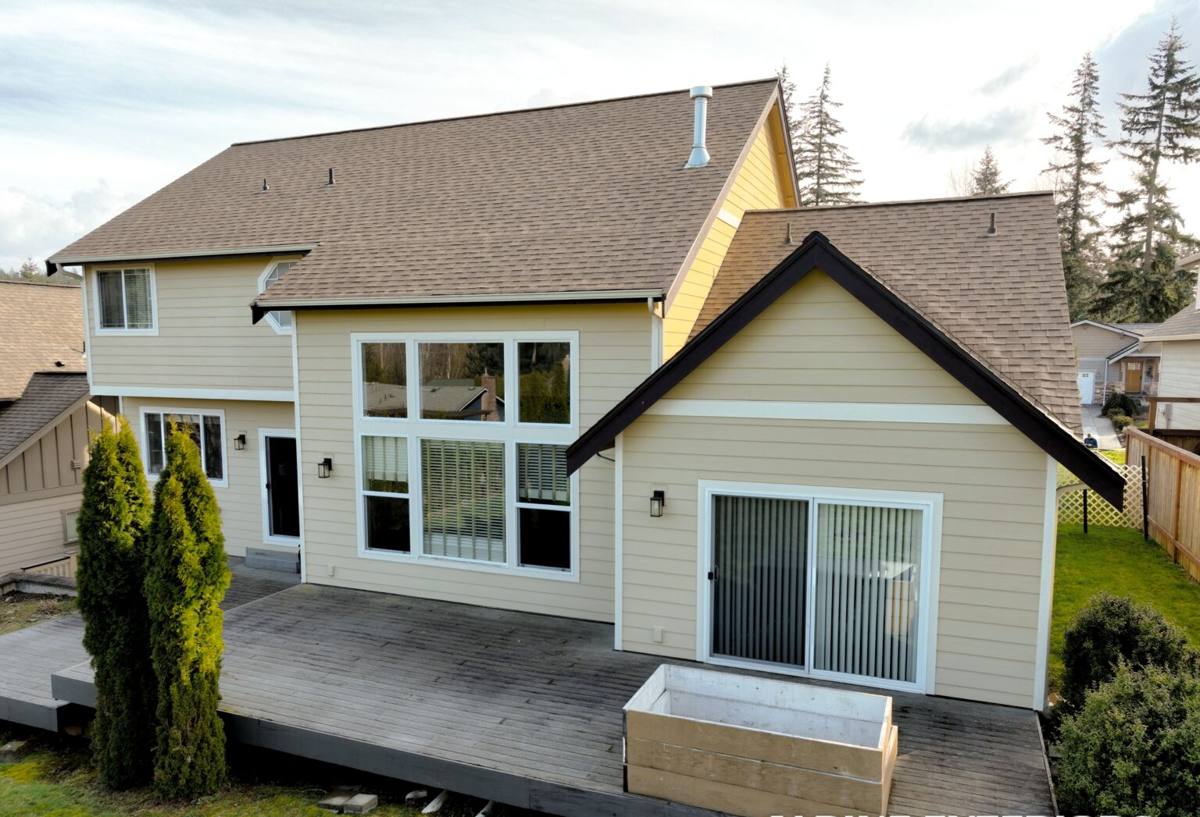
Why Roofs in Rosedale Wear Out Faster Than the National Average
Several factors compound here, and they rarely show up one at a time:
- Hurricane-force wind loading. Even roofs that never take a direct hurricane hit absorb repeated stress from tropical storms and seasonal squalls, which loosens fasteners and lifts shingle tabs over time.
- Intense, year-round UV. Florida's sun degrades asphalt shingle oils and breaks down underlayment faster than in northern climates, leading to granule loss, brittleness, and premature cracking.
- Wind-driven rain. Storms here rarely fall straight down. Wind pushes rain sideways and under shingle edges, which is why flashing and underlayment quality matter as much as the shingle itself.
- Salt air corrosion. Metal components — flashing, fasteners, vent stacks, drip edge — corrode faster this close to the coast, even a good distance inland.
- Heat cycling. Daily swings between intense afternoon heat and cooler nights cause materials to expand and contract, which loosens seals and accelerates wear at seams and penetrations.
None of these alone destroys a roof quickly. Together, over a Bradenton summer after Bradenton summer, they're why so many roofs in this area need replacement well before the shingle manufacturer's "expected" lifespan.
Signs a Rosedale Home Needs Replacement, Not Just Repair
Repair makes sense when the damage is isolated and the roof underneath is still sound. Replacement is the right call when the underlying system — not just the surface — has been compromised. Common signs we look for during an inspection include:
- Granule loss heavy enough to expose the shingle mat, especially on south- and west-facing slopes
- Curling, cupping, or cracked shingles across multiple areas of the roof, not just one spot
- Soft or spongy decking found during a walk of the roof, indicating moisture has reached the plywood
- Repeated leaks in different locations after past patch repairs
- Visible daylight or staining in the attic along the roof deck or rafters
- Rusted, lifted, or missing flashing around chimneys, skylights, and vent penetrations
- A roof age approaching or past 15-20 years for asphalt shingle, which is a realistic ceiling in this climate even with good maintenance
If a roof is showing two or more of these at once, patch repairs usually end up being a short-term fix that costs more in the long run than doing the replacement properly the first time.
What a Correct Roof Replacement Actually Involves
A roof replacement done right is a full system rebuild, not a re-cover. Every layer matters, and skipping steps is the single biggest reason roofs in this region underperform their warranty.
Tear-Off and Deck Inspection
We remove the existing roofing material down to the deck so it can be inspected directly — not guessed at from the attic. Any water-damaged or delaminated plywood gets replaced before anything new goes down. Installing new shingles or metal over a compromised deck is one of the most common shortcuts in this trade, and it's one we don't take.
Underlayment and Moisture Barrier
Given how much wind-driven rain this area sees, underlayment is not a place to save money. Self-adhering, waterproof underlayment at eaves, valleys, and around penetrations gives the roof a real second line of defense if wind ever drives water under the primary roofing material.
Flashing and Penetrations
Chimneys, skylights, vent stacks, and wall-to-roof transitions are where the majority of leaks originate — not the open field of the roof. New, corrosion-resistant flashing at every one of these points is standard, not an upsell.
Ventilation
Proper intake and exhaust ventilation keeps attic temperatures and moisture in check, which protects the deck from the underside and helps shingles last through Florida summers instead of baking prematurely from trapped heat.
Fastening for Wind Resistance
Manatee County's building code reflects the High-Velocity Hurricane Zone influence on Florida roofing standards, with specific nailing patterns, fastener counts, and, in many cases, sealed-deck requirements. Meeting code isn't optional — and doing it correctly is also what supports wind mitigation credits on your insurance.
Comparing Roofing Materials for Rosedale Homes
| Material | Wind Performance | Salt Air / Corrosion | Typical Lifespan Here |
|---|---|---|---|
| Architectural asphalt shingle | Good, when properly fastened and rated for the wind zone | Moderate; metal flashing components need corrosion-resistant coatings | 15-22 years |
| Standing seam metal | Excellent; strong resistance to wind uplift when installed correctly | Good with coastal-rated coatings and stainless or coated fasteners | 30-50 years |
| Concrete or clay tile | Very good, but individual tiles can crack from impact or foot traffic | Very good; tile itself doesn't corrode | 30-50 years, underlayment usually needs replacement sooner |
There's no single "correct" material for every Rosedale home — it depends on your roof structure, budget, HOA guidelines where applicable, and how long you plan to own the home. We'll walk through the honest trade-offs for your specific roof rather than pushing whatever earns the highest margin.
Our Roof Replacement Process
- On-site inspection and estimate. We walk the roof, check the attic, and document existing conditions before quoting anything.
- Material selection. We go over options and honest trade-offs based on your roof structure, budget, and how long you plan to stay in the home.
- Permitting. We pull the required permit through Manatee County before work begins — this isn't optional, and it protects you if there's ever an insurance question down the road.
- Tear-off and deck repair. Full removal of old material, deck inspection, and replacement of any damaged plywood.
- Underlayment, flashing, and installation. Installed to manufacturer specification and Florida wind-code fastening requirements.
- Final inspection and cleanup. Magnetic sweep for debris, county inspection where required, and a walkthrough with you before we consider the job done.
- Documentation. You get the paperwork needed for warranty registration and, where applicable, wind mitigation insurance credits.
What Drives Roof Replacement Cost
| Factor | Why It Matters |
|---|---|
| Roof size and pitch | Larger and steeper roofs take more material and labor time, and steep pitches require more safety measures |
| Material choice | Asphalt shingle, metal, and tile carry very different material and labor costs |
| Number of existing layers | Removing multiple old layers of roofing adds tear-off labor and disposal cost |
| Deck condition | Rotted or delaminated plywood found during tear-off adds replacement cost that can't always be predicted in advance |
| Code upgrades required | Older homes may need ventilation, flashing, or fastening upgrades to meet current Manatee County code |
| Roof accessibility | Steep grades, limited driveway access, or surrounding landscaping can affect equipment staging and labor time |
We won't quote a number without seeing the roof first — anyone who does is guessing, and guesses on a roof replacement tend to turn into change orders later.
Why a Crew That Already Works Rosedale Matters
A roof replacement is only as good as the crew installing it, and local experience isn't a marketing line — it changes real decisions on the job. A contractor who works Bradenton and Manatee County regularly already knows the wind-load and fastening requirements the county inspector will check, understands how salt air affects metal components at this distance from the coast, and has already seen how the area's storm patterns stress roofs over multiple seasons. That's the difference between a crew following a generic install manual and one that builds a roof to actually hold up here.
It also matters for accountability. A local crew is easy to reach if a warranty question comes up next year or in five years — not a phone number that changes or a company that moved on to the next region.
Roof Replacement Checklist — What to Verify Before Signing
- Contractor holds an active Florida roofing license and carries liability and workers' comp insurance
- A permit will be pulled through Manatee County before work starts
- The proposal specifies underlayment type, not just the shingle or panel brand
- Flashing replacement at chimneys, skylights, and vent penetrations is included, not assumed
- Fastening pattern meets current Florida wind-code requirements for your wind zone
- Deck inspection and any plywood replacement terms are spelled out, including how added cost is handled
- Manufacturer warranty terms and installer certification status are provided in writing
- Cleanup and debris removal, including a magnetic nail sweep, is included
Protecting Your New Roof Long-Term
A correctly installed roof still benefits from basic upkeep in this climate. Keep gutters clear so wind-driven rain has somewhere to go, trim back overhanging branches that scrape shingles or drop debris into valleys, and have the roof looked at after any major storm — not just when a leak shows up inside. A quick annual check of flashing and vent boots catches small salt-air corrosion issues before they become deck damage. Most manufacturer warranties also require some documented maintenance, so keeping simple records protects your coverage as well as your roof.
If your Rosedale roof is showing its age or you just want an honest read on where it stands, we're glad to take a look. Fill out the form below for a free, no-pressure estimate — we'll walk the roof, tell you what we actually find, and lay out your options plainly.