 Bradenton
 Siding Repair Built for Mill Creek's Climate
Mill Creek sits in one of the more storm-exposed stretches of Manatee County, and the siding on homes here takes a beating most homeowners never see until a problem shows up. Between hurricane-season wind loads, intense year-round UV, wind-driven rain that gets forced sideways into wall assemblies, and the salt air drifting in off the Gulf and Tampa Bay, exterior siding in this area ages faster and fails differently than it would in a drier, calmer climate. A repair job that doesn't account for those specific stresses tends to fail again within a few seasons.
We do siding repair work throughout Bradenton, and Mill Creek is one of the neighborhoods we're in regularly enough to know its housing stock, its typical exposure patterns, and the kinds of siding problems that show up here again and again. This page covers what siding repair actually involves for homes in this area, how we decide between a repair and a replacement, and what to expect if you call us out for an inspection.
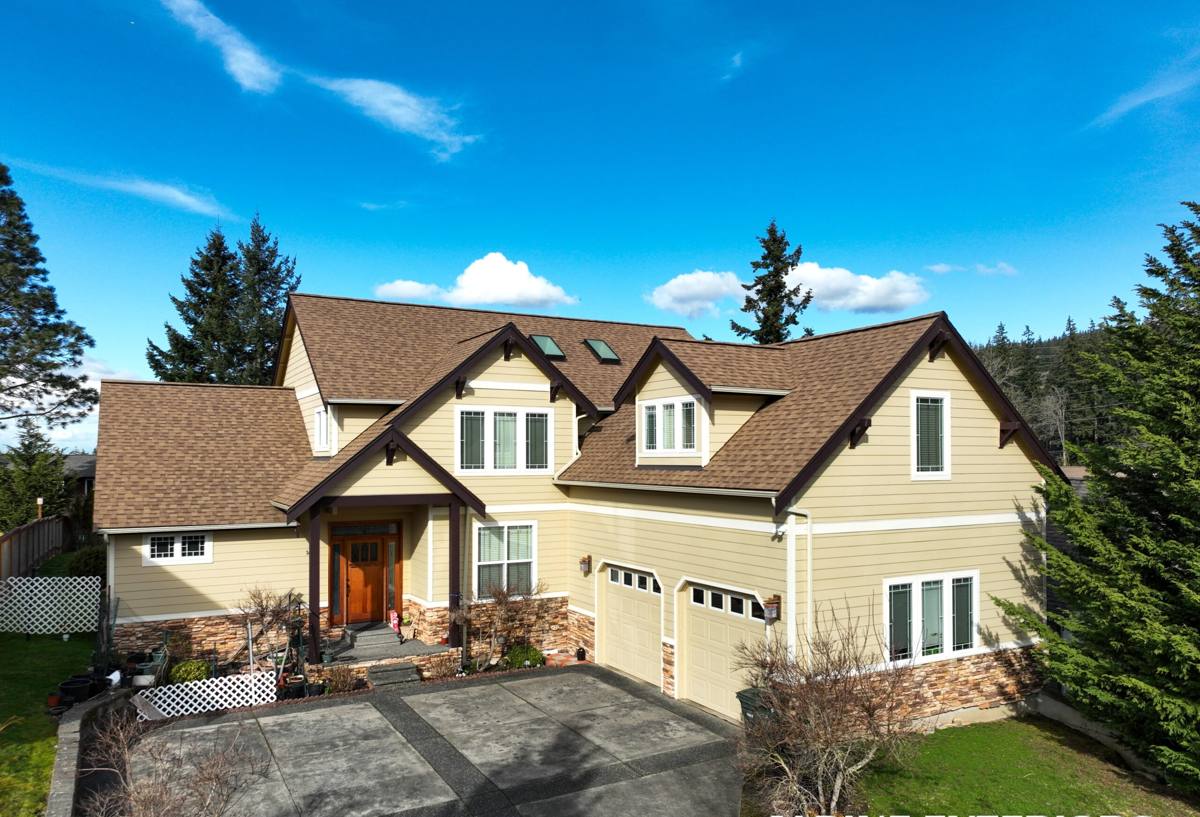
What Mill Creek's Climate Does to Siding
Every siding material eventually shows wear, but the mechanisms that cause failure in this part of Florida are fairly consistent from house to house:
Wind and Wind-Driven Rain
Tropical storms and hurricane-force gusts don't just threaten to tear panels loose — they drive rain horizontally into seams, fastener holes, and trim joints that were never designed to handle water moving sideways under pressure. Once water gets behind a panel, the damage often isn't visible from the street until it's already affecting the sheathing underneath.
Year-Round UV Exposure
Florida's sun is relentless in every season, not just summer. UV breaks down paint films, causes fading and chalking on lower-quality siding, and accelerates the drying and cracking of materials that aren't engineered for this level of sun exposure.
Salt Air
Even well inland from the coast, Manatee County gets enough salt-laden air to accelerate corrosion on fasteners, flashing, and any exposed metal trim components. Salt exposure also interacts with moisture problems — a panel that's already compromised by trapped water degrades faster in a salt-air environment than it would elsewhere.
Humidity and Moisture Cycling
Constant humidity means siding rarely gets a chance to fully dry out between rain events. Materials that absorb moisture — untreated wood, some engineered wood products, and siding with failed caulking or flashing — stay damp longer here, which speeds up rot, swelling, and paint failure.
Signs Your Mill Creek Home Needs Siding Repair
Most siding problems give warning signs well before they become structural issues. If you're seeing any of the following, it's worth having someone look at it before the next storm season:
- Cracked, warped, or bulging panels, especially on the sides of the house that take the most wind and rain
- Soft or spongy spots when you press on the siding near the bottom of the wall or around windows and doors
- Visible gaps at seams, corners, or trim where caulking has failed or shrunk away
- Paint that's peeling, bubbling, or chalking heavily in patches rather than evenly across the whole surface
- Staining or streaking below seams, which usually points to water getting behind the panel
- Loose or missing panels after a storm, or fasteners that have backed out
- Rising energy bills or noticeably drafty rooms, which can indicate compromised siding letting conditioned air escape
- Visible mold, mildew, or a musty smell near exterior walls on the inside of the home
Repair vs. Replacement — How We Decide
Not every damaged section needs to come off the house. A big part of doing this job right is being honest with the homeowner about whether a targeted repair will actually hold up, or whether it's a band-aid that will need to be redone in a year or two. We look at a few factors:
| Factor | Favors Repair | Favors Replacement |
|---|---|---|
| Extent of damage | Isolated to one or two panels or a small section | Spread across multiple walls or large areas |
| Underlying sheathing/framing | Dry, sound, no rot found on inspection | Soft, rotted, or water-stained sheathing |
| Age of existing siding | Newer material, still within useful life | Older material nearing or past its expected lifespan |
| Cause of damage | Isolated impact or one-time storm event | Ongoing moisture intrusion or systemic installation flaws |
| Material match | Matching panels/color still available | Discontinued profile or faded color that won't blend |
When damage is limited and the structure underneath is sound, a well-executed repair is the right call — it's faster, less expensive, and doesn't disturb siding that's still doing its job. When we find rot in the sheathing, repeated moisture intrusion, or damage spread across a large area, we'll say so plainly and explain why patching it would just be delaying a bigger repair later.
What a Correct Repair Actually Involves
A siding repair that's done right is more than swapping out a cracked panel. Here's what we check and address on every repair job:
- Diagnose the cause, not just the symptom. A cracked panel might be the visible problem, but if it cracked because of trapped moisture or a flashing failure, replacing the panel without fixing the cause just resets the clock on the same failure.
- Inspect behind the damaged section. We pull the affected panels to check the water-resistive barrier, sheathing, and framing underneath before closing anything back up. This is the step that gets skipped by contractors trying to move fast, and it's the step that determines whether the repair actually lasts.
- Correct flashing and drainage details. A lot of siding failure in this climate traces back to flashing that was never installed correctly, or that's degraded from years of wind-driven rain. Repairing the siding without correcting the flashing underneath it is a repair that won't hold.
- Match materials and fastening to spec. Panels, trim, and fasteners get installed to the manufacturer's specifications for this climate — correct fastener spacing, proper clearances, and factory-finished material that's engineered to handle Florida humidity and UV.
- Seal and finish properly. Caulking and sealant at seams and penetrations matter as much as the panels themselves. We use products rated for this climate and apply them the way they're designed to be used, not just as a quick cosmetic fix.
Why We Work in James Hardie Fiber Cement
We install and repair exclusively in James Hardie fiber cement siding. It's a decision we made after weighing what actually holds up under Bradenton's combination of hurricane wind, sun, rain, and salt air, and it directly affects how we approach repair work.
Fiber cement doesn't absorb moisture and swell the way engineered wood products can, and it's non-combustible, which matters in a state where wind-driven embers during dry spells are a real consideration. James Hardie's ColorPlus factory finish is baked on and warrantied against fading and peeling far beyond what field-applied paint typically holds up to under constant Florida UV, which means repaired sections are far more likely to actually match the surrounding siding — instead of looking like an obvious patch a year later. Hardie's HZ5 product line is engineered specifically for climates like ours, with moisture and impact performance suited to hurricane-prone regions.
When we repair Hardie siding, we're working with a material system that was engineered as a whole — panels, trim, fasteners, and finish all designed to work together. That consistency is a big part of why the repair holds up long-term instead of becoming a recurring callback.
If your Mill Creek home currently has vinyl, LP SmartSide, or another engineered wood siding and you're dealing with recurring damage, we'll always give you a straight assessment of what's actually happening and what your realistic options are. In cases where damage is limited to a small, still-serviceable section, we'll tell you honestly if a repair makes sense. But if a section of non-Hardie siding is failing due to moisture absorption, delamination, or repeated storm damage, our recommendation is going to be replacement with fiber cement — because patching a material with those underlying vulnerabilities in this climate tends to be a short-term fix.
Our Repair Process in Mill Creek
Because we work in Bradenton regularly, we're familiar with the general housing stock and typical exposure conditions in Mill Creek — which sides of a house tend to take the worst of a storm, what kind of siding ages and installation practices are common in the area, and what usually needs the closest look during an inspection. That familiarity speeds up the diagnosis phase and helps us give you an accurate assessment on the first visit rather than guessing.
Our process for a repair call typically looks like this:
- On-site inspection of the damaged area and a check of the surrounding siding for related issues
- A straightforward explanation of what we found, what caused it, and whether repair or replacement is the right call
- A written estimate before any work starts, with no pressure to upsell beyond what the house actually needs
- Repair work scheduled around weather, since fiber cement installation and sealant application need dry conditions to cure properly
- A final walkthrough so you can see the completed repair and ask questions before we consider the job done
Keeping Repaired Siding Lasting in This Climate
Once a repair is done, a little routine attention keeps it — and the rest of your siding — performing well. Rinse siding periodically to clear off salt residue and organic buildup, especially on walls that don't get much rain-washing from prevailing wind direction. Walk the exterior after any significant storm and look for new cracks, loose panels, or gaps at trim and seams. Keep an eye on caulking at windows, doors, and panel joints, since sealant is usually the first thing to show wear in this climate. Catching small issues early is almost always cheaper and less disruptive than waiting until a small problem becomes a bigger one.
If you're seeing damage, staining, or storm wear on your siding in Mill Creek, we're happy to come take a look and give you a straight assessment — no pressure, no upsell, just an honest read on what your home actually needs. Reach out for a free estimate using the form below.