 Bradenton
 Siding Built for Whitfield Estates, Not Just Bradenton in General
Whitfield Estates sits close enough to Sarasota Bay and the Gulf that homes here take a different kind of beating than properties farther inland. Salt-laden air moves through the neighborhood on the sea breeze most afternoons, humidity sits high for months at a stretch, and when a tropical system tracks anywhere near the west coast, wind-driven rain finds every gap a siding installation left behind. We work this neighborhood regularly, and the siding failures we get called out to repair or replace almost always trace back to the same root causes: a product that wasn't built for this climate, or an installation that didn't respect it.
This page is about one job, done right, in one place: replacing tired, failing, or storm-damaged siding on a Whitfield Estates home with James Hardie fiber cement, installed to the specifications that actually hold up here.
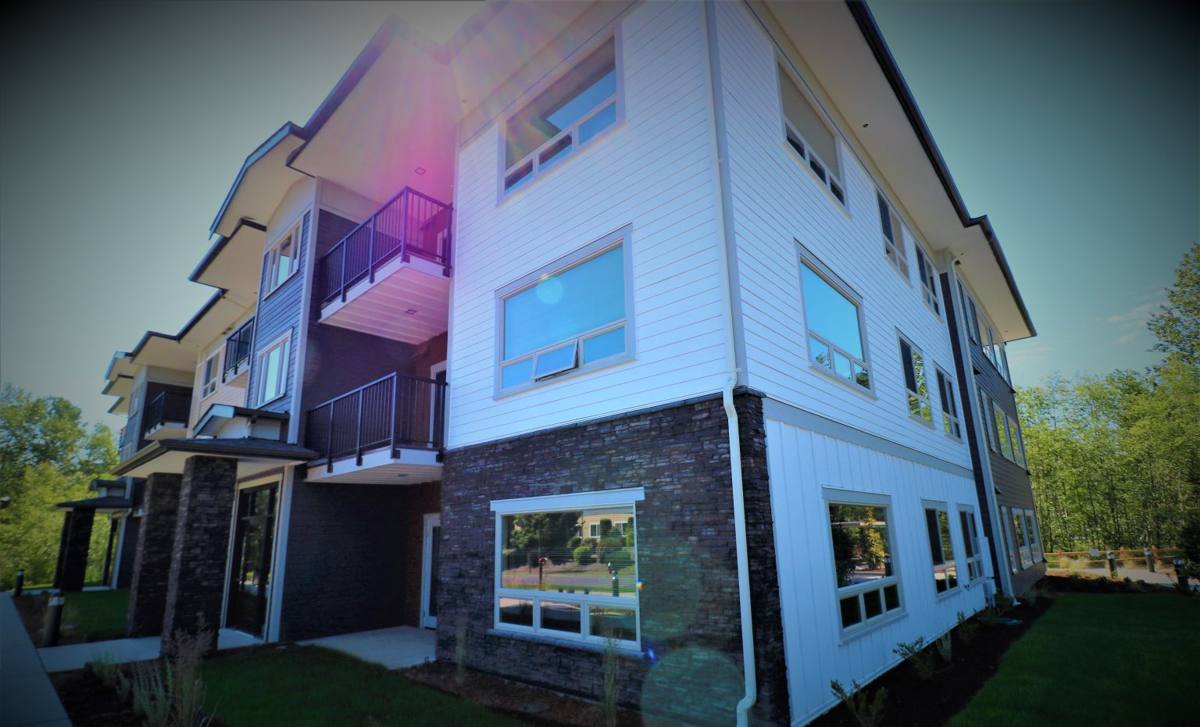
What Manatee County's Climate Actually Does to Siding
It's worth being specific about the stress factors, because they drive every decision in a correct siding replacement.
Salt Air and Humidity
Whitfield Estates' proximity to the bay means airborne salt settles on exterior surfaces year-round. Combined with Bradenton's high year-round humidity, this accelerates corrosion of fasteners and trim, and it punishes any siding material that isn't dimensionally stable when it absorbs moisture. Materials that swell, warp, or delaminate in damp conditions age fast in this environment.
Intense, Constant UV
Florida sun isn't seasonal — it's a year-round load on paint and finish systems. Standard field-applied paint chalks, fades, and breaks down faster here than almost anywhere else in the country. A siding product's finish matters as much as the substrate underneath it.
Hurricane-Force Wind and Wind-Driven Rain
Even homes that never take a direct hurricane hit still see repeated exposure to tropical storm-force wind and horizontal rain during the June–November season. Wind uplift tests every fastener and every seam. Wind-driven rain tests every flashing detail, every joint, and every point where siding meets a window, door, or roofline. A siding system that looks fine in dry, calm weather can fail during the first serious storm if those details were cut corners.
Signs a Whitfield Estates Home Needs Siding Replacement
Not every siding problem requires full replacement, but in this climate, cosmetic issues are often early warning signs of something structural underneath. Homeowners in the neighborhood should watch for:
- Soft, spongy, or crumbling spots when siding is pressed — a sign of moisture intrusion behind the surface
- Persistent bubbling, peeling, or chalking paint that returns quickly after repainting
- Visible warping, buckling, or gaps between panels or boards
- Wood rot at corners, butt joints, or anywhere siding meets trim
- Rising cooling bills with no other explanation, which can indicate compromised insulation behind failing siding
- Visible storm damage — cracked, missing, or lifted panels after wind events
- Mold or mildew staining that keeps coming back despite cleaning
Any one of these is worth a professional look. Several together usually mean the siding has reached the end of its service life.
Why We Only Install James Hardie Fiber Cement
We get asked why we don't offer vinyl, LP SmartSide, or other fiber cement brands. The honest answer is that we standardized on James Hardie because it holds up to exactly the conditions Whitfield Estates deals with, and we'd rather do fewer products well than offer a menu of options we don't fully stand behind.
Non-Combustible, Moisture-Stable Core
Hardie siding is fiber cement — it does not absorb moisture and swell the way wood-based products can, and it isn't vulnerable to the kind of pest and rot issues that come with organic materials in a humid climate. That matters directly in a salt-air, high-humidity neighborhood like this one.
Climate-Engineered Product Lines
James Hardie makes region-specific formulations under its HZ5 designation, engineered for high-humidity, high-moisture climates like Florida's Gulf Coast. This isn't a marketing label — it reflects a different formulation than what's sold in drier regions, built to perform where humidity and rain exposure are constant.
ColorPlus Factory Finish
Rather than relying on field-applied paint that has to fight Florida's UV load from day one, Hardie's ColorPlus finish is baked on at the factory in a controlled process, with better fade resistance and a longer color life than most site-applied paint jobs achieve. In a climate where the sun is the enemy of every finish, that head start matters.
Strong, Transferable Warranty
Hardie backs its siding with a long-term limited warranty that's transferable to a new owner, which also tends to matter to buyers and appraisers when a home eventually sells.
We won't pretend other products don't have their own advocates. Vinyl is inexpensive and low-maintenance in mild climates; LP SmartSide and other engineered-wood products have their fans. But between moisture sensitivity in humid air, UV degradation, and the wind-driven rain this neighborhood sees every storm season, we made a professional call: we only put our name on installations we're confident will still look and perform correctly a decade from now, and for Manatee County, that means Hardie fiber cement.
What a Correct Siding Replacement Involves
Siding is only as good as what's underneath it and how it's detailed. A rushed tear-off and reinstall is how you get callbacks in three years. Here's what we actually do.
1. Tear-Off and Substrate Inspection
We remove the old siding fully rather than installing over it, because that's the only way to find hidden rot, moisture damage, or pest issues in the sheathing before they're sealed behind new material. Any compromised sheathing gets repaired or replaced before anything new goes up.
2. Weather Resistive Barrier and Flashing
A correctly lapped weather-resistive barrier, paired with proper flashing at every window, door, and roofline intersection, is what actually keeps wind-driven rain out — not the siding surface itself. This is the step that separates an installation that survives storm season from one that doesn't, and it's also the step that's easiest to shortcut if a crew is moving fast.
3. Fastening to Manufacturer and Wind-Load Spec
James Hardie publishes specific fastener types, spacing, and placement requirements, and those specs change based on regional wind-load requirements. Coastal Manatee County properties need fastening patterns that account for higher wind exposure than an inland installation would require. Getting this wrong doesn't show up immediately — it shows up during the next major wind event.
4. Siding Installation
Panels or planks go up with correct overlap, gapping for expansion, and joint treatment at butt seams — sealed and caulked per manufacturer spec so those joints don't become the entry point for moisture later.
5. Trim, Caulking, and Final Detailing
Corner trim, caulking at all penetrations, and final finish work close out the job. This is also where ColorPlus-finished trim and accessories keep the whole system's appearance and durability consistent, rather than mixing factory finish with field-painted trim that will fade at a different rate.
Siding Replacement Timeline for a Typical Whitfield Estates Home
| Phase | Typical Duration | What's Happening |
|---|---|---|
| Estimate and material order | 1–3 weeks | Site measurement, product/color selection, material lead time |
| Tear-off and substrate repair | 1–2 days | Old siding removed, sheathing inspected and repaired as needed |
| Weather barrier and flashing | 1 day | House wrap and flashing installed at all penetrations |
| Siding installation | 3–7 days | Varies with home size and architectural detail |
| Trim, caulk, punch list | 1–2 days | Final detailing and walkthrough |
Weather is the biggest variable in Bradenton — summer storm patterns can push a schedule by a few days, which is factored into any realistic timeline we give.
What Drives Cost on a Job Like This
We don't quote prices without seeing the home, but the main cost drivers on a Whitfield Estates siding replacement are consistent:
| Factor | Why It Matters |
|---|---|
| Home size and wall complexity | More square footage and more corners, dormers, or gables mean more material and labor |
| Substrate condition | Rotted or damaged sheathing found during tear-off adds repair scope |
| Siding profile (lap, shingle, panel) | Different Hardie profiles carry different material and labor costs |
| Trim and accessory scope | Corner boards, window trim, and fascia detailing add to the total |
| Color and finish selection | Standard ColorPlus colors vs. custom or premium finishes |
| Access and site conditions | Landscaping, fencing, or multi-story sections can affect labor time |
Why Hiring a Crew That Already Works This Neighborhood Matters
Whitfield Estates has its own mix of home ages, architectural styles, and site conditions — narrower lots in some sections, mature landscaping, proximity to the water in others. A crew that already knows the neighborhood isn't guessing at wind exposure, isn't unfamiliar with the permitting expectations for Manatee County, and has already seen how homes here age under this specific combination of salt air, sun, and storm exposure. That familiarity shows up in the small decisions — where extra flashing attention is warranted, which fastening pattern makes sense for a given elevation's wind exposure, how to sequence a job around Florida's afternoon storm patterns.
It also matters for accountability. A local crew with an ongoing presence in the community has a reason to do the job right the first time and to be reachable if a question comes up after the fact — not a name that shows up once and is gone.
Maintenance After Installation
A correctly installed Hardie siding job is genuinely low-maintenance, but "low" isn't "none." A short annual routine keeps things performing as designed:
- Rinse siding annually to remove salt residue and airborne grime — a garden hose is usually sufficient
- Inspect caulking at joints and trim yearly, and re-caulk any cracked or separated seams promptly
- Check for any panel movement or fastener issues after major storm events
- Keep irrigation heads and sprinklers from spraying directly on siding long-term, which can cause mineral staining
- Trim back landscaping that holds moisture against the siding surface
Get a No-Pressure Estimate for Your Whitfield Estates Home
If your siding is showing its age, took storm damage, or you're simply planning ahead before it becomes an emergency, we're happy to take a look and give you a straight assessment — no pressure, no inflated scare tactics. The form below gets you a free estimate from a crew that already knows this neighborhood and only installs siding we're willing to stand behind.