 Bradenton
 Why Decks in Southgate Wear Out Faster Than the Manual Says
Every deck material sold in Florida comes with a lifespan estimate printed somewhere in the fine print. In Southgate, that number is usually optimistic. This is an established residential pocket of Bradenton, and a lot of the decks here were built in an era when nobody was thinking about UV degradation rates or fastener corrosion timelines — they were built the way decks were built everywhere else in the country, with materials and hardware that were never really matched to a Gulf Coast climate.
Manatee County sits in a spot where three things stack on top of each other year-round: intense, near-constant UV exposure that breaks down wood fibers and fades or chalks composite surfaces; wind-driven rain that gets pushed sideways into joints, ledger boards, and end grain that were never designed to shed water from that angle; and salt-laden air moving in off the Gulf and the surrounding waterways, which accelerates corrosion in any fastener, bracket, or connector that isn't rated for it. Add hurricane-force wind events to that mix — even a deck that never takes a direct hit still gets repeatedly racked and flexed by tropical storms and squall lines passing through — and you get a structure that ages on a compressed timeline compared to the same deck built in a drier, cooler part of the country.
None of this means decks don't belong in Southgate. It means a deck built or replaced here needs to be built for this specific climate, not built to a generic national spec and hoped for the best.
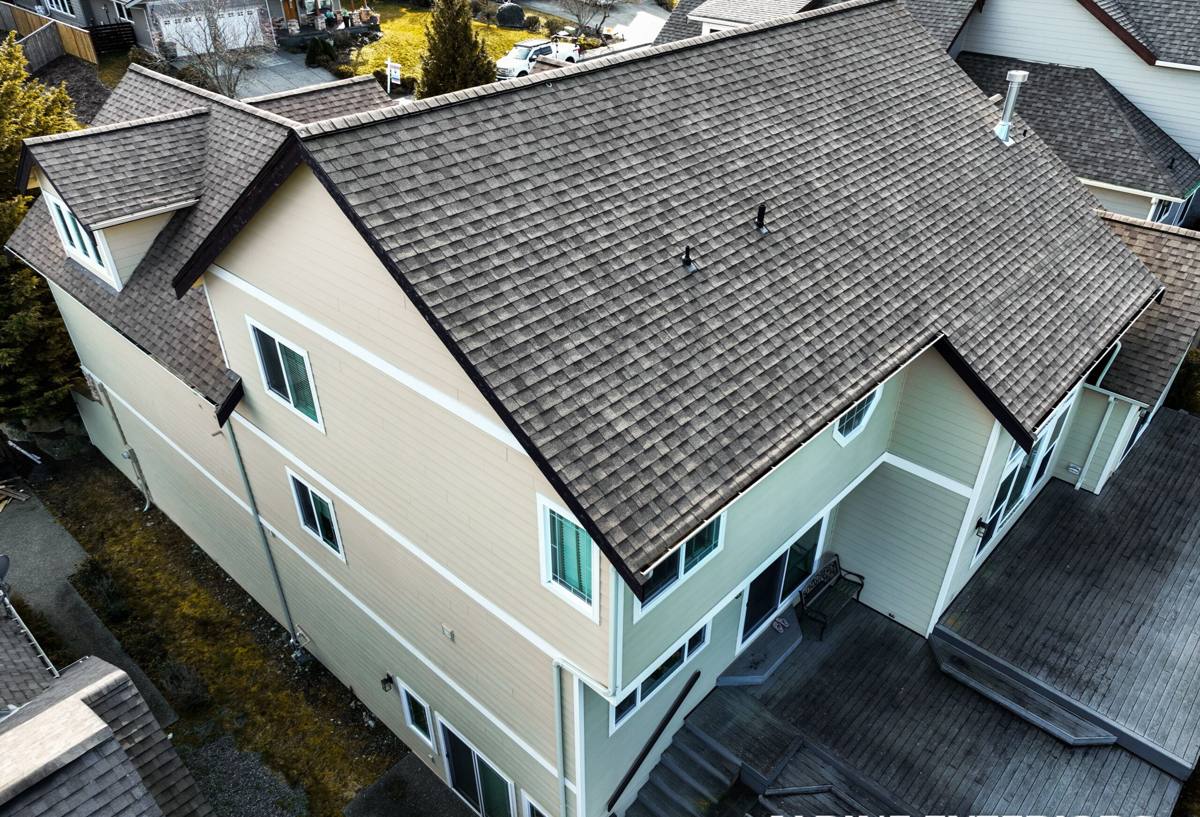
Repair or Replace? Reading the Real Signs
Homeowners often call us thinking they need a repair — a few boards, a wobbly rail — and we agree that's sometimes true. But there's a point past which patching a deck is just spending money to delay a full replacement, and it's worth knowing where that line is before you commit to either path.
- Soft or spongy decking in more than a couple of spots usually means moisture has gotten into the board core or the framing underneath, not just the surface.
- Rust streaking around fasteners or brackets is a sign the hardware is failing, which is a structural issue, not a cosmetic one.
- Movement at the ledger board — where the deck attaches to the house — is one of the most common causes of deck collapse nationally and should never be left alone.
- Checking, cupping, or graying wood that goes deeper than the surface means the boards have been absorbing and releasing moisture for years and are losing structural integrity, not just looks.
- Footings that have shifted or settled unevenly, especially after heavy rain seasons, point to a foundation problem no amount of surface repair will fix.
If what you're seeing is limited to one or two boards and the frame underneath is sound, a repair can genuinely make sense. If the issues show up in multiple systems at once — decking, framing, hardware, footings — that's usually the point where a full replacement costs less over five years than a string of repairs.
What a Correct Deck Replacement Actually Involves
A deck replacement done right is not just pulling up old boards and screwing down new ones. The visible decking is the last five percent of the job. The parts that determine whether the deck lasts are underneath and out of sight.
The framing and structure
Joists, beams, and posts need to be sized and spaced for the actual loads the deck will see, and for Bradenton's wind conditions, connections matter as much as lumber size. That means proper joist hangers rated for the application, correctly sized structural screws or bolts instead of undersized nails, and post-to-beam and beam-to-ledger connections that resist both uplift and lateral racking, not just vertical weight.
The ledger connection
Where the deck attaches to the house is the single highest-consequence connection on the whole structure. It needs correct flashing to keep wind-driven rain from working its way behind the siding and into the house framing, and it needs fasteners sized and spaced to code, not just "enough to hold it up for now."
Footings
Footing depth and diameter need to account for local soil conditions and frost-free depth requirements, and they need to be sized for the actual deck load, including anything heavy the homeowner plans to put on it — a hot tub changes the footing math considerably.
Fasteners and hardware
This is where a lot of decks in salt-air climates fail early. Standard zinc-coated screws and brackets corrode faster here than almost anywhere else in the country. Hot-dip galvanized or stainless steel hardware costs more up front and is worth it every time on a coastal Florida deck.
Choosing Decking Material for a Southgate Backyard
There's no single "right" material for every homeowner — it comes down to how much maintenance you want to do, your budget, and how long you want the deck to last before it needs attention again. Here's how the common options actually perform in this climate, in plain terms.
| Material | How It Handles Bradenton's Climate | Maintenance |
|---|---|---|
| Pressure-treated pine | Affordable and structurally sound when properly installed, but UV and humidity cycles cause checking and graying faster here than in drier climates | Needs sealing or staining every 1–2 years to hold up |
| Composite decking | Resists rot and doesn't need staining; quality matters a lot — lower-grade composites can fade or absorb heat noticeably in direct Florida sun | Occasional washing; no sealing or staining |
| PVC/capped polymer decking | Fully sealed surface handles moisture and salt air well and resists fading better than most composites | Lowest maintenance of the common options; higher upfront cost |
| Tropical hardwoods (e.g., ipe) | Naturally dense and rot-resistant, but installation is unforgiving — incorrect fastening leads to splitting in heat cycles | Periodic oiling to maintain color, or left to weather gray |
We don't push one product line over another as a rule. We'll walk through what fits your budget, how the deck will actually be used, and how much upkeep you're realistically willing to do — then build the framing underneath to the same standard no matter which surface material you choose.
How We Handle a Southgate Deck Replacement
- On-site assessment. We look at the existing deck, the framing condition, the ledger connection, and the ground conditions before quoting anything, because what's underneath often changes the scope.
- Honest scope and estimate. You get a clear breakdown of what's being replaced and why, not a vague lump sum.
- Permitting. We handle the Manatee County permit application and inspections that apply to deck replacement, so you're not left navigating that process alone.
- Demolition and disposal. Old decking, framing, and hardware are removed and hauled off; footings are evaluated for reuse or replacement.
- Framing and structural work. New or reinforced framing goes in first, built to current code and rated for local wind loads, with corrosion-resistant hardware throughout.
- Ledger flashing and waterproofing. This step gets done properly every time, since it's the part most likely to cause hidden damage down the road if skipped or rushed.
- Decking installation. Boards go down with correct spacing for material expansion and drainage, which matters more in Florida's heat and humidity swings than in milder climates.
- Railings, stairs, and final details. Built and fastened to the same wind-resistance standard as the deck itself.
- Final walkthrough and inspection sign-off. You see the finished work and understand what was done before we call the job complete.
Permits, Setbacks, and Wind Code in Manatee County
Deck replacement in Manatee County generally requires a permit, and for good reason — the structural and wind-load requirements here are stricter than in a lot of the country, and inspections exist to catch the kind of shortcuts that lead to failures later. Skipping the permit process might save a little time up front, but it can create real problems when you go to sell the home, since unpermitted structural work is something buyers' inspectors are trained to flag.
Setback requirements from property lines and, in some cases, proximity to water or flood zones can also affect what's allowed on a given lot. Part of doing this job right locally is knowing which of these rules apply to a specific property before work starts, not discovering it mid-project.
Keeping a New Deck Looking and Performing Like New
A correctly built deck in Bradenton's climate can still lose years off its life if it's neglected afterward. A little routine attention goes a long way.
- Rinse off salt residue, pollen, and debris periodically, especially after storms.
- Keep gutters and downspouts near the deck clear so runoff isn't dumping directly onto or under it.
- Check fastener heads and connections once or twice a year for early signs of rust or loosening.
- Reseal or re-stain wood decking on the schedule the product actually calls for, not "whenever it looks bad."
- Trim back landscaping that traps moisture against the deck's underside or edges.
- Address small issues — a loose board, a hairline crack — before the next storm season instead of after.
What Actually Drives the Cost
Deck replacement costs vary widely based on size, material, and site conditions, and we won't quote a number without seeing the property. What we can share is which factors move the price the most, so an estimate makes sense when you get it.
| Factor | Why It Affects Cost |
|---|---|
| Decking material | Pressure-treated wood costs less upfront than composite or PVC, which cost more initially but less in maintenance over time |
| Framing condition | A deck needing full frame and footing replacement costs more than one where the structure underneath can be reused safely |
| Size and layout | Multi-level decks, built-in stairs, and custom railing add labor and material beyond a simple rectangular footprint |
| Hardware grade | Stainless or hot-dip galvanized fasteners cost more than standard hardware but hold up far longer in salt air |
| Site access | Tight side yards or obstructed access can add time for material handling and demolition disposal |
Why a Crew That Already Works Southgate Matters
A deck replacement built by someone unfamiliar with this area can still look fine on installation day and still fail early, because the failures that matter here — hardware corrosion, ledger water intrusion, wind-load connections — don't show up until a year or two of Gulf Coast weather has had time to work on them. A crew that regularly builds and replaces decks around Bradenton has already seen which shortcuts cause problems in this specific climate and builds to avoid them as a matter of habit, not as an upsell.
There's also a practical side to it: familiarity with Manatee County's permitting process and inspection expectations means fewer delays and fewer surprises mid-project. That's not a small thing when you're trying to get a deck built during storm season on a schedule that actually holds.
If you're weighing a repair against a full replacement, or you just want an honest look at what your current deck needs, we're glad to come take a look. The estimate is free, there's no pressure attached to it, and you'll get a straight answer about what your deck actually needs — not a sales pitch. Use the form below to get started.