 Bradenton
 Roofing for a Neighborhood That Sits Right on the Coastal Edge
Whitfield Estates is an established, tree-lined community close to the water on the Bradenton side of the Gulf Coast, and that location shapes what a roof out here actually has to survive. Homes in this part of the area take a different kind of beating than roofs ten or fifteen miles inland — more direct exposure to salt-laden air, more wind off the bay, and full sun for most of the year with almost no seasonal break. A roof replacement here isn't just "put new shingles on an old house." It's a system that has to be built, fastened, and ventilated for the specific conditions of this stretch of coast.
We put together this page because homeowners in Whitfield Estates keep asking the same practical questions: what's actually wearing out their roof, what a correct replacement looks like, and why it matters to hire a crew that already knows this neighborhood's homes. Below is the honest version, not the sales pitch version.
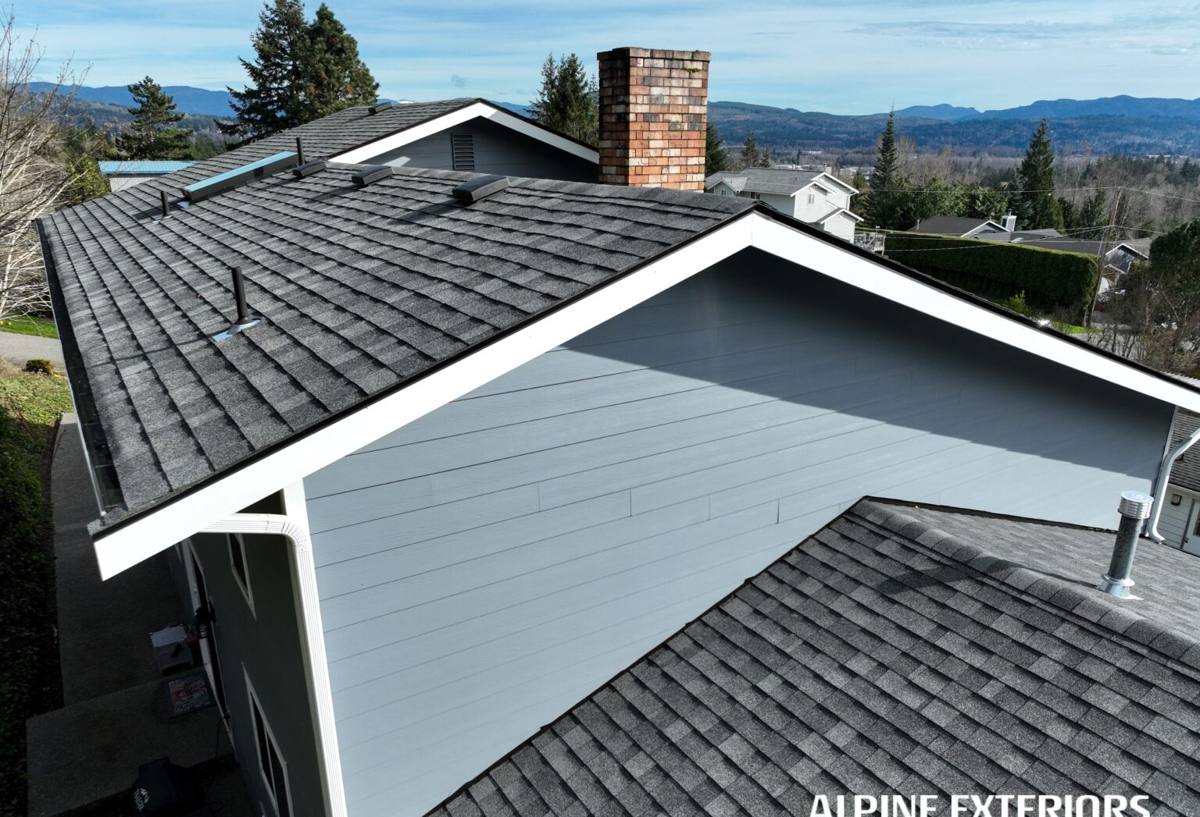
What the Local Climate Actually Does to a Roof
Bradenton-area roofs age differently than roofs almost anywhere else in the country, and Whitfield Estates gets the fuller version of that exposure because of how close it sits to open water.
Hurricane-force wind
Wind is the number one reason roofs fail here before their expected lifespan is up. It doesn't take a direct hurricane strike — repeated tropical-storm-force gusts over the years work shingles, fasteners, and flashing loose gradually. Once wind gets under one lifted shingle edge or one poorly sealed ridge cap, it can peel back a much larger section in a single event.
Wind-driven rain
Straight-down rain is easy for almost any roof to shed. Rain that's being pushed sideways at 40-60+ mph finds every gap in flashing, every under-sealed nail, and every seam that isn't lapped correctly. This is why the underlayment and flashing details matter as much as the shingles or tiles themselves — arguably more.
Year-round, high-intensity UV
Unlike northern climates where roofing materials get a winter "rest," Bradenton roofs are under strong UV exposure essentially twelve months a year. UV breaks down asphalt oils, dries out sealant strips, and is the main reason a shingle roof here typically won't reach the lifespan a manufacturer's brochure promises in a milder climate.
Salt air
Being close to the bay means airborne salt settles on the roof and on every exposed metal component — nails, flashing, vent stacks, drip edge. Ordinary fasteners and untreated metal corrode faster here than they would even a few miles further inland. This is a detail that's easy to overlook and expensive to ignore.
Repair, Recover, or Full Replacement?
Not every aging roof needs a full tear-off. But there's a point where patch repairs stop making financial sense and start masking bigger problems underneath. Some signs it's time to talk replacement instead of another repair:
- Shingles that are cupping, curling, or losing granules across large areas, not just one spot
- Multiple past repairs in different areas of the same roof within a few years
- Soft spots, sagging, or visible deck movement when walked on
- Daylight visible through the attic decking, or recurring stains on interior ceilings
- A roof approaching or past 18-20 years old (asphalt) with no documented recent tear-off
- Rusted or heavily corroded flashing, vent boots, or fasteners
- Difficulty getting affordable insurance coverage or a wind-mitigation discount because of roof age or condition
If you're only seeing one or two isolated issues on an otherwise sound, newer roof, a targeted repair is usually the honest recommendation — we'll tell you that instead of pushing a replacement you don't need yet.
What a Correct Roof Replacement Actually Involves
A roof replacement is more than swapping old material for new. Done right, in this climate, it's a layered system where every component supports the next one.
Tear-off and deck inspection
We remove the old roofing down to the deck rather than layering over it. This is the only way to actually see the condition of the wood underneath — soft, delaminated, or water-damaged decking has to be replaced before anything new goes down, or the new roof is only as good as a rotten base.
Underlayment upgrade
Given how much wind-driven rain this area sees, we don't treat underlayment as an afterthought. Self-adhering or synthetic underlayment with properly lapped and sealed seams gives the roof a second line of defense if wind ever compromises the top layer.
Flashing and penetration details
Chimneys, skylights, vent stacks, and roof-to-wall transitions are where most leaks actually start — not the open field of the roof. Correct flashing, properly lapped and sealed, is where a lot of the real skill in a roof replacement shows up, and it's also where corner-cutting is easiest to hide once the roof is finished.
Fastening for wind resistance
Nail pattern, nail placement, and fastener count matter enormously in wind-exposed areas like Whitfield Estates. Florida Building Code sets minimum requirements for wind uplift resistance based on your specific wind zone, and we follow those specs rather than treating them as optional.
Ventilation
Proper intake and exhaust ventilation keeps attic temperatures and moisture in check, which protects the new decking and helps the shingles or tiles reach their expected service life instead of baking prematurely from underneath.
Salt-resistant hardware
Given the proximity to the bay, we use corrosion-resistant fasteners and flashing material rather than standard-grade hardware that will start rusting within a few seasons in this air.
Comparing Roofing Material Options for This Area
There's no single "best" roofing material — the right choice depends on your home's structure, your budget, your HOA requirements if one applies, and how much long-term maintenance you want to take on. Here's an honest comparison for coastal Bradenton-area conditions.
| Material | Wind Performance | UV/Salt Durability | Typical Lifespan | Maintenance |
|---|---|---|---|---|
| Architectural asphalt shingle | Good, when rated and installed for local wind zone | Moderate — UV and salt shorten lifespan versus inland installs | 15-25 years | Low to moderate |
| Metal (standing seam) | Excellent | Very good with proper coatings and fasteners | 30-50 years | Low |
| Concrete or clay tile | Excellent when properly fastened | Excellent — tile itself is largely unaffected by UV and salt | 40-50+ years | Moderate (underlayment beneath tile still ages and needs eventual replacement) |
| 3-tab asphalt shingle | Fair — lower wind rating than architectural shingles | Lower — tends to show wear fastest in this climate | 10-15 years | Low |
We'll walk through which option fits your roof's structure and your budget honestly, including the real maintenance trade-offs — for example, tile looks great and lasts a long time, but the underlayment beneath it is doing the actual waterproofing work and will need attention on its own schedule regardless of how the tile looks on top.
Permits, Code, and Insurance in Manatee County
Roof replacements in this area require a permit and inspection, and the work has to meet Florida Building Code wind-resistance provisions for our wind zone. This isn't paperwork for its own sake — it's what determines whether your roof is actually built to handle the wind loads this area sees, and it's often tied directly to your insurance.
A permitted, code-compliant replacement with proper documentation can also support a wind-mitigation inspection, which many insurers use to calculate premium discounts. We pull permits, schedule required inspections, and provide documentation of materials and methods used — which matters both for code compliance and for your own insurance file.
Our Process, Start to Finish
- On-site inspection — we assess the deck, flashing, ventilation, and current material condition, not just what's visible from the ground
- Honest recommendation — repair, partial re-roof, or full replacement, explained in plain terms with the reasoning behind it
- Material selection — we go over the realistic trade-offs for your specific home rather than steering everyone to one product
- Permitting — we handle the permit application and required inspections with the county
- Tear-off and deck repair — full removal down to the deck, with any damaged wood replaced before new material goes down
- Installation — underlayment, flashing, and roofing material installed to code-minimum or better wind-fastening specs
- Final walkthrough — we review the completed roof with you and cover documentation for your records and insurer
Why It Matters to Hire a Crew That Already Works in Whitfield Estates
Roofing crews who work regularly in this specific area learn things that don't show up in a general estimate: how older homes in established neighborhoods like this were often built to different code cycles and may need extra attention at the deck or flashing stage, how tree canopy affects debris and drainage patterns on a given roof, and what wind exposure actually looks like on a lot that's closer to open water versus one further inland. That local pattern-recognition shows up in fewer surprises mid-project and a roof that's actually built for the conditions it will face, not a generic install.
It also matters for logistics — narrower streets, established landscaping, and closer-set homes in older neighborhoods all affect how a tear-off and material delivery need to be staged so we're not damaging landscaping or blocking neighbors longer than necessary. A crew that's done this specific kind of street before plans for it up front.
Before You Get a Quote: What to Ask
Whether you go with us or anyone else, these are worth confirming before signing a contract for any roof replacement in this area:
- Is the quoted wind-fastening pattern based on our actual local wind zone, not a generic minimum?
- Does the quote include full tear-off and deck inspection, or is it a layover?
- What underlayment is specified, and is it rated for wind-driven rain exposure?
- Are corrosion-resistant fasteners and flashing included given the salt air exposure here?
- Will the contractor pull the permit and schedule required inspections themselves?
- Is there a written manufacturer warranty and a separate workmanship warranty, and what does each actually cover?
- Will you receive documentation suitable for a wind-mitigation insurance inspection?
A contractor who answers these clearly and specifically, without vague reassurance, is one who's actually done this work in coastal wind zones before.
Get a Straight Answer About Your Roof
If your Whitfield Estates roof is showing its age, took wind or storm damage, or you just want an honest read on how much life it has left, we'll come take a look and give you a clear, no-pressure estimate — repair, partial, or full replacement, whichever actually fits what we find. Fill out the form below to get started.