 Bradenton
 Siding That Actually Holds Up in Whitfield Estates
Whitfield Estates sits in unincorporated Manatee County near the Sarasota Bay side of the region, close enough to open water that salt-laden air, humidity, and wind-driven rain are a daily fact of life for the homes here, not an occasional storm-season concern. That combination is harder on exterior siding than almost anything else Florida throws at a house. Materials that perform fine forty miles inland can fail early here — swelling, delaminating, or losing their finish years before they should. Siding for this neighborhood has to be selected and installed with that reality in mind from the first panel.
We install James Hardie fiber cement siding exclusively, and this page walks through what that actually means for a Whitfield Estates home: what the local climate demands, what a correct installation looks like, and how our process works from first estimate to finished job.
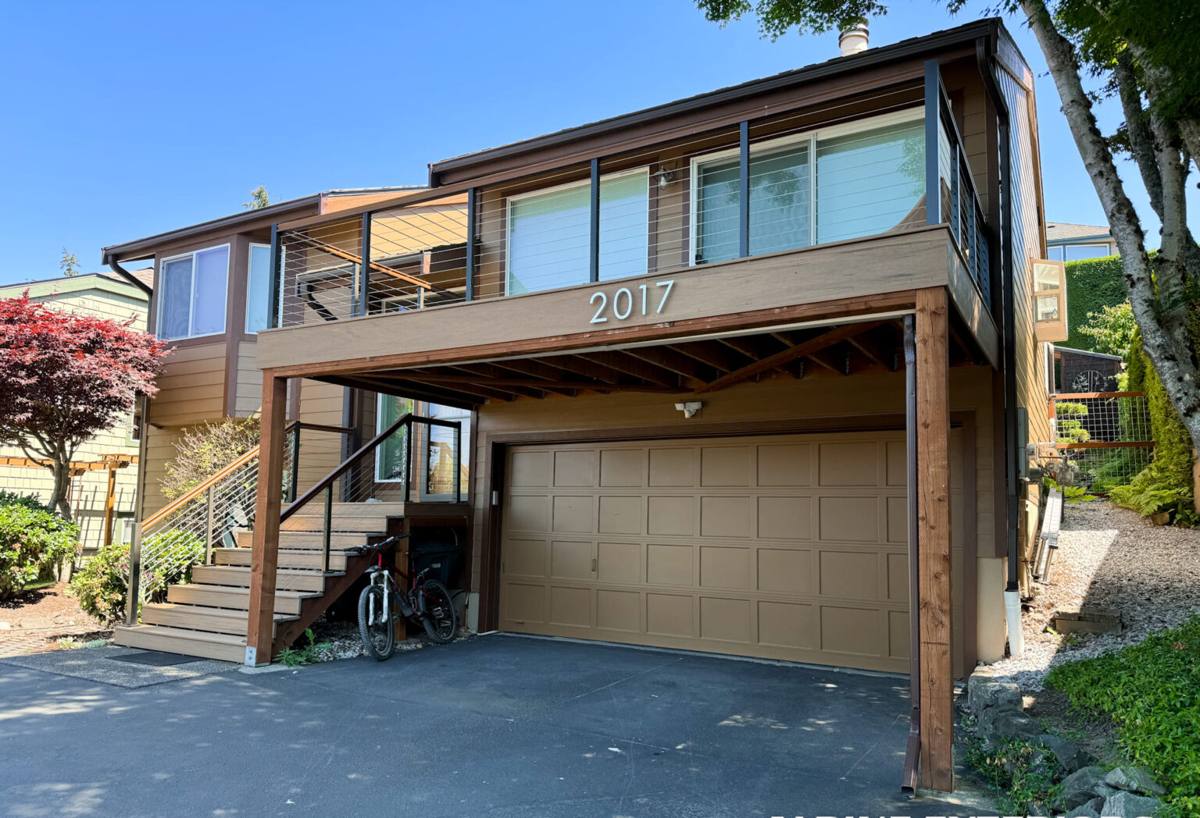
What Coastal Manatee County Does to a House Exterior
A few things are working against your siding at once in this part of Bradenton, and they compound each other:
- Salt air corrosion: airborne salt from nearby Sarasota Bay and the Gulf accelerates the breakdown of paint films, caulk, and fasteners — especially on the sides of a home facing prevailing coastal breezes.
- Year-round UV exposure: Florida's sun angle and number of sunny days age exterior finishes faster than almost any other part of the country, breaking down pigments and causing chalking or fading on lower-grade materials.
- Wind-driven rain: summer storms and tropical systems don't just rain down, they drive water sideways into seams, laps, and penetrations. Siding that isn't detailed correctly at those points lets water behind it.
- Humidity and moisture cycling: constant humidity followed by intense heat puts siding through repeated expansion and contraction, which stresses joints, caulk lines, and any material prone to swelling.
- Hurricane-force wind loads: Manatee County sits in a wind zone where siding has to be fastened to withstand real uplift and lateral pressure, not just look good on a calm day.
None of these are unique to Whitfield Estates, but the neighborhood's proximity to the water puts it on the harder end of the spectrum compared to homes further inland in Manatee County. That's the standard we install to.
Why We Only Install James Hardie Fiber Cement
We made a deliberate decision as a company to install James Hardie fiber cement siding and nothing else — not vinyl, not LP SmartSide, not Cemplank or Allura, not primed wood. That's not a marketing position, it's a practical one based on what holds up in this climate over the long haul.
Fiber cement is a mix of cement, sand, and cellulose fibers, which makes it non-combustible and dimensionally stable — it doesn't expand and contract with heat and humidity the way wood or some engineered wood products do, and it doesn't soften or warp from prolonged moisture exposure the way vinyl can under intense sun. James Hardie also engineers specific product lines for different climate zones through what they call the HardieZone system, and Florida falls into the zone built for high humidity, moisture, and pest pressure. That's an engineering distinction other fiber cement brands don't all make, and it matters in a neighborhood this close to the water.
James Hardie's ColorPlus factory-applied finish is another piece of it. Because the color is baked on in a controlled factory process rather than field-painted, it resists the fading and chalking that UV exposure causes over time far better than a job-site paint job, and it comes with its own finish warranty separate from the product warranty. For a home exposed to this much sun and salt air, that finish durability is not a minor feature — it's a big part of why the siding still looks right ten and fifteen years out.
What We Won't Install, and Why
Vinyl siding is affordable and easy to install, but it can soften, warp, or fade under sustained heat and direct sun exposure, and it isn't the material we want carrying our name on a coastal Bradenton home. LP SmartSide and other engineered wood products use wood strand technology that performs well in many climates but is more sensitive to sustained moisture exposure than fiber cement, which matters in a humid, storm-prone area. Cedar and primed spruce look great initially but require an ongoing maintenance commitment — repainting, sealing, pest treatment — that most homeowners underestimate until the bills start showing up. We'd rather install one product correctly than offer five options and hope the homeowner picked the right one for their site.
What a Correct Fiber Cement Installation Involves
Fiber cement siding is only as good as the installation behind it. The product itself is engineered for coastal exposure, but a sloppy install can undermine that in a single season. On every job we do in this area, a correct installation means:
- Proper moisture barrier and flashing behind the siding at every window, door, and penetration, so wind-driven rain has nowhere to get behind the cladding.
- Correct fastening pattern and fastener type — stainless steel or hot-dipped galvanized fasteners driven to Hardie's specification, not whatever is fastest, so the siding stays put under hurricane-force wind loads.
- Manufacturer-specified clearances from the roofline, grade, decks, and patios, so water sheds away from the bottom edge instead of wicking up into the board.
- Caulking and sealant at every joint and seam using products rated for the movement and UV exposure this climate produces, not a generic caulk that will crack and open within a couple of years.
- Correct panel and trim overlap at butt joints and corners, which is where most water intrusion problems on any siding job actually start.
Skipping any one of these doesn't usually cause an obvious problem in year one. It shows up as a soft spot, a stain, or a warranty claim in year five or six — long after the crew that cut corners is gone. That's the argument for hiring a crew that treats these details as non-negotiable every time, not just when someone's watching.
Fiber Cement vs. Other Common Siding Options in This Climate
| Factor | James Hardie Fiber Cement | Vinyl Siding | Wood / Engineered Wood |
|---|---|---|---|
| Salt air / humidity resistance | Engineered for humid, coastal climates (HZ5) | Resistant to rot, but can soften/warp in intense heat | Vulnerable to moisture absorption without diligent maintenance |
| UV / fade resistance | Factory ColorPlus finish resists fading and chalking | Color can fade and become brittle over time | Paint/stain requires reapplication on a regular cycle |
| Wind performance | Rated for high wind loads when properly fastened | Can crack or blow off in high winds if under-fastened | Performance depends heavily on fastening and board condition |
| Fire resistance | Non-combustible | Can melt or deform under heat exposure | Combustible |
| Ongoing maintenance | Periodic cleaning, minimal repainting needed | Low maintenance, but damage often means full panel replacement | Regular painting, sealing, and pest monitoring required |
Our Process for Whitfield Estates Homes
We approach every fiber cement project in this neighborhood the same structured way:
- On-site assessment: we walk the exterior, check the current siding and underlying sheathing condition, and look specifically at how each elevation is exposed to wind and rain given the home's orientation and surroundings.
- Product and color selection: we help you choose the right James Hardie board profile (lap, shake, panel) and ColorPlus finish for your home's style and HOA or neighborhood expectations, where applicable.
- Written estimate: a clear scope covering removal of existing material, moisture barrier and flashing work, materials, and labor — no vague allowances.
- Preparation and removal: old siding comes off, the sheathing is inspected for hidden moisture damage, and any repairs are addressed before a single new board goes up.
- Installation to manufacturer spec: flashing, fastening, clearances, and sealants are all done to James Hardie's installation requirements, not shortcuts.
- Final walkthrough: we go over the finished job with you, including basic care guidance specific to a coastal-proximate property like this one.
Living With Fiber Cement Siding in a Coastal-Adjacent Neighborhood
One reason we like recommending fiber cement for this part of Bradenton is that it doesn't ask much of the homeowner afterward. Unlike wood siding, there's no repainting cycle to plan around and no sealing schedule to track. What it does benefit from is periodic rinsing to keep salt residue and airborne grime from building up on the surface, and a visual check after major storms for any impact damage or areas where caulking may have separated. Catching a small caulking gap early is a five-minute fix; ignored for a couple of storm seasons, it can turn into a moisture problem behind the board. We're always happy to take a look if something seems off, whether we installed the siding or not.
What to Look For When Hiring a Siding Contractor Here
Whitfield Estates' exposure to salt air and coastal weather means the margin for installation error is smaller than in a lot of other Bradenton-area neighborhoods. Before hiring anyone for a siding job here, it's worth confirming:
- They install to the manufacturer's written specifications for fastening, flashing, and clearances — not a generic approach used everywhere regardless of climate.
- They can explain, specifically, how they'll detail windows, doors, and other penetrations against wind-driven rain.
- They carry proper licensing and insurance for exterior work in Manatee County.
- They're using a product genuinely engineered for coastal, humid climates rather than whatever happens to be cheapest that week.
- They stand behind the installation itself, separate from whatever manufacturer warranty the product carries.
- They have real, ongoing experience working in coastal-proximate neighborhoods like this one, not just general residential siding experience.
A crew that already understands what this specific stretch of coastline does to a house exterior is going to make fewer assumptions and catch more of the details that matter before they become problems.
Get a Free Estimate for Your Whitfield Estates Home
If your siding is showing its age, or you're planning ahead for a home in Whitfield Estates, we're glad to take a look and walk you through what James Hardie fiber cement siding would involve for your specific property — no pressure, no obligation. Use the form below to request a free estimate.