 Bradenton
 Custom Decks Built for Whitfield Estates' Waterfront Conditions
Whitfield Estates sits close to Sarasota Bay, in the stretch of Manatee County where waterfront and near-waterfront lots are the norm rather than the exception. That location is exactly why a deck built here needs different specifications than one built ten miles inland. Salt-laden air moves off the bay year-round, afternoon sun is intense for most of the year, and when a storm system tracks through, wind and wind-driven rain hit these properties directly. A deck that isn't designed with those conditions in mind will show it within a few seasons — loose railings, corroding hardware, cupped boards, or worse.
We build and install custom decks for homeowners throughout Bradenton and Manatee County, and Whitfield Estates jobs come with their own checklist: proximity to brackish water, older home footprints that often need custom framing solutions, and in many cases flood zone or elevation considerations tied to how close the lot sits to the bay. This page covers what actually goes into a deck built to hold up here, not just what it costs to build one.
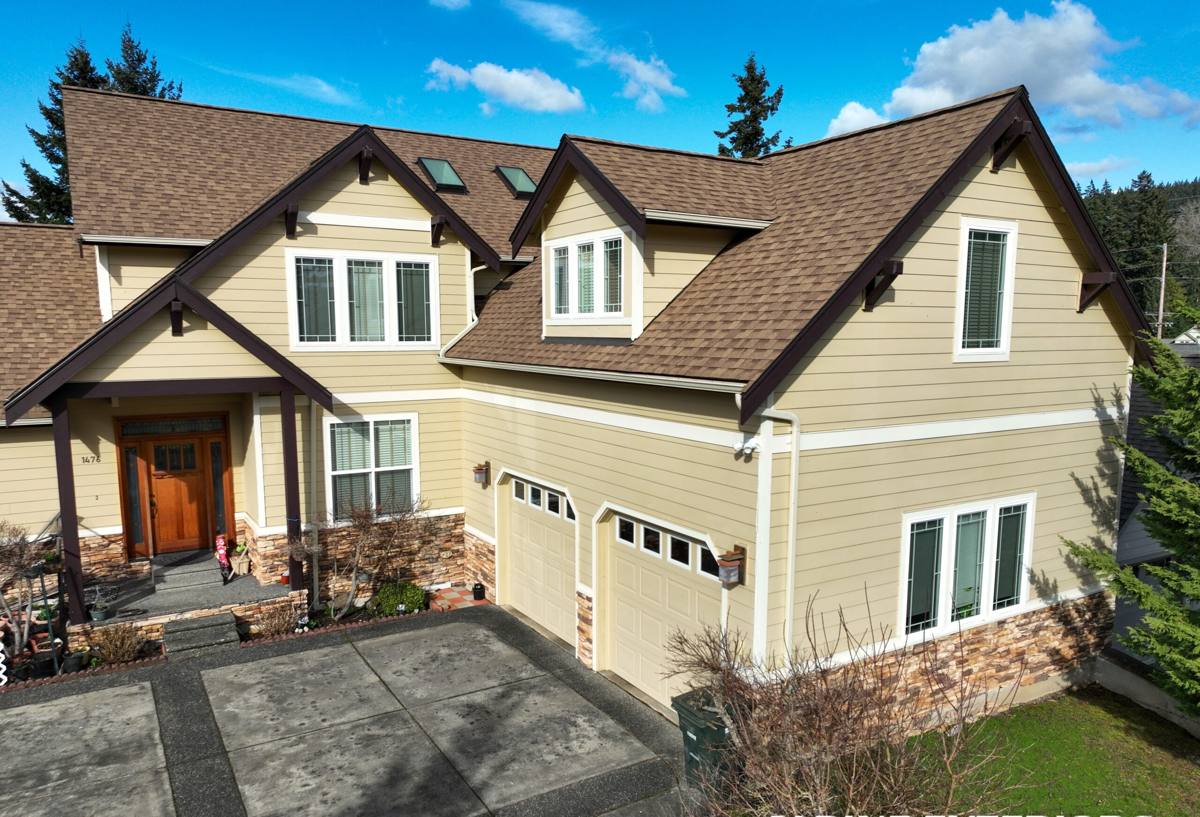
What Local Homes Actually Need From a Deck
A deck near the water works harder than a deck in a landlocked subdivision. Four conditions drive almost every decision we make on a Whitfield Estates project:
Hurricane and Straight-Line Wind Loads
Manatee County sits in a wind-borne debris region under the Florida Building Code, and decks attached to the house — especially elevated ones — need connections engineered to resist uplift and lateral loads, not just gravity. This shows up in ledger board attachment, post-to-beam hardware, and how railings are anchored.
Salt Air and Corrosion
Even a few blocks from open water, airborne salt accelerates corrosion on standard fasteners, hinges, and structural connectors. Hardware that would last decades inland can start rusting and staining a deck surface within a couple of years this close to the bay.
Year-Round UV Exposure
Florida sun is hard on every exterior material, but it's particularly hard on wood decking and lower-grade composites, which can fade, gray, or become brittle without the right finish or material choice.
Wind-Driven Rain and Standing Water
Storms here don't just drop rain — they push it sideways and pool it. Decking, framing, and any covered structure over the deck need drainage and moisture-management details that a typical inland build might skip.
Decking Material Comparison for a Bay-Adjacent Property
There's no single "best" decking material — the right choice depends on budget, how much upkeep you want to do, and how close your lot sits to salt water. Here's how the common options actually compare for a Whitfield Estates setting.
| Material | Salt Air Performance | Maintenance | Typical Lifespan Here |
|---|---|---|---|
| Pressure-Treated Wood | Fair — needs sealing to resist salt and moisture | Annual cleaning and re-sealing | 10–15 years with upkeep |
| Composite Decking | Good — resists rot and insects, but quality varies by brand | Periodic washing, no sealing needed | 20–25+ years |
| PVC/Capped Polymer | Very good — fully sealed surface resists moisture and staining | Low — occasional washing | 25+ years |
| Tropical Hardwoods (Ipe, etc.) | Good — naturally dense and rot-resistant | Regular oiling to maintain color | 20–30 years |
We don't push one material on every job. Composite and PVC decking generally make the most sense for homeowners who want a low-maintenance, salt-resistant surface and are willing to pay more upfront to avoid ongoing sealing. Pressure-treated wood is a reasonable choice for homeowners on a tighter budget who don't mind the annual maintenance it takes to keep it protected in this climate. Hardwoods sit in between — beautiful and durable, but they need consistent oiling to keep from graying, especially with this much direct sun.
Framing and Fasteners: Where Decks Actually Fail
Most deck failures we get called out to inspect — here and elsewhere in the county — aren't decking problems. They're framing and hardware problems that were invisible until a board came loose or a railing started to wobble. In a salt-air environment, this matters even more:
- Fasteners and structural connectors should be stainless steel or hot-dip galvanized rated for coastal use — standard electro-galvanized hardware corrodes faster than most homeowners expect this close to the bay
- Ledger board attachment to the house needs proper flashing to prevent water intrusion at the connection point, which is one of the most common sources of hidden rot
- Joist hangers and post bases should be inspected for rust-through, not just surface staining, since corrosion often starts on the inside of the connector
- Footings need to account for local soil conditions, which can be sandier and hold more moisture near the bay than inland lots
- Any structural posts should be rated for wind uplift, not just vertical load, per current Florida Building Code requirements
Railings, Stairs, and Local Code Requirements
Elevated decks in Manatee County need railings that meet Florida Building Code height and baluster-spacing requirements, and any deck project typically requires a building permit before work starts. This isn't paperwork for its own sake — it's what protects you if you ever sell the home and an inspector or buyer's contractor looks at the deck's history.
For railings specifically, we look at the same salt-air and wind factors as the rest of the structure. Aluminum and stainless cable railing systems tend to hold up well near the water because they resist corrosion better than uncoated steel, while wood railings need the same sealing schedule as wood decking. Stair stringers, because they see more direct rain exposure and less airflow underneath, are one of the first places rot shows up on an under-maintained deck — we build them with that in mind from the start.
Our Custom Deck Process
Every Whitfield Estates deck starts with a look at the actual lot, not a generic template. Here's how a project typically moves:
- On-site assessment — we walk the property, look at elevation, drainage, existing structure (if replacing a deck), and how exposed the site is to prevailing wind and salt spray
- Design and material selection — we go over decking, railing, and framing options based on your budget, maintenance preference, and how the deck will actually be used
- Permitting — we handle the permit application and make sure the design meets current Florida Building Code wind and structural requirements for this area
- Framing and structural work — this is where coastal-rated hardware, proper ledger flashing, and correctly sized footings go in; it's the part of the job that determines how long the deck lasts
- Decking, railing, and finish work — surface installation, railing systems, stairs, and any finishing or sealing the material requires
- Final walkthrough and inspection — we review the completed deck with you and make sure it passes any required county inspection
Maintaining a Deck in a Salt-Air Climate
Even a well-built deck needs some ongoing attention this close to the water. What that attention looks like depends on the material, but a general seasonal checklist for Whitfield Estates homeowners looks like this:
- Rinse the deck surface periodically to remove salt residue, especially after storms with onshore wind
- Check railing connections and stair stringers for movement or looseness once or twice a year
- Inspect exposed fasteners for early rust staining, which can indicate the hardware isn't holding up to the environment
- Re-seal wood or hardwood decking on the schedule recommended for that specific product — don't wait until it's visibly gray or dry
- Clear debris from between boards and around footings so water isn't sitting against the structure
- Have the underside of an elevated deck inspected occasionally, since that's where hidden rot or corrosion tends to start
Why Hiring a Crew That Already Works This Area Matters
A deck built to a generic national standard isn't necessarily built for a bay-adjacent lot in Manatee County. Crews who don't regularly work this close to salt water sometimes spec standard hardware, skip coastal-rated flashing details, or aren't familiar with how local permitting and wind-load requirements apply to a specific property. We work jobs throughout Bradenton and the surrounding Manatee County communities, including Whitfield Estates, so the decisions on material, hardware, and structural detail come from what actually holds up here — not from a one-size-fits-all spec sheet.
That local familiarity also matters for permitting. Knowing what the county typically expects for elevation, setbacks, and structural documentation on a deck project means fewer surprises and delays once the paperwork is submitted.
Get a Straightforward Estimate
If you're planning a new deck or replacing an aging one in Whitfield Estates, we're glad to come take a look and give you an honest read on what your property needs — no pressure, no inflated scope. Fill out the form below for a free estimate.