 Bradenton
 Cortez sits closer to open water than almost any other residential area in Manatee County, and that changes what "good siding" actually means. A product that performs fine a few miles inland can start failing years early once it's facing bay-front salt air, intense year-round sun, and the wind-driven rain that comes with living this close to the Gulf. If you own a home in this Bradenton-area fishing village, your siding is doing more work than siding on a house set back in a typical subdivision.
This page covers what fiber cement siding installation actually involves for a Cortez home — what the local climate demands of it, what a correct job looks like, and why we install James Hardie fiber cement exclusively rather than vinyl, engineered wood, or untreated wood siding.
Cortez's Waterfront Exposure Puts Extra Demands on Siding
Salt air moving off the water is corrosive. It attacks exposed fasteners, trim edges, and any siding material that isn't built to shrug off constant moisture and airborne salt. Add in Florida's intense year-round UV, which breaks down pigments and softens lower-grade plastics and coatings over time, and you have a combination that punishes cheap or poorly installed siding faster than almost anywhere else in the region.
Then there's wind. Manatee County sits squarely in hurricane territory, and a waterfront community like Cortez takes the brunt of wind-driven rain during tropical systems — the kind of horizontal, pressurized water that finds every gap in a wall assembly that wasn't detailed correctly. Siding here isn't just cosmetic. It's a first line of defense against water intrusion, and the fastening, flashing, and moisture-barrier details behind it matter as much as the finished look.
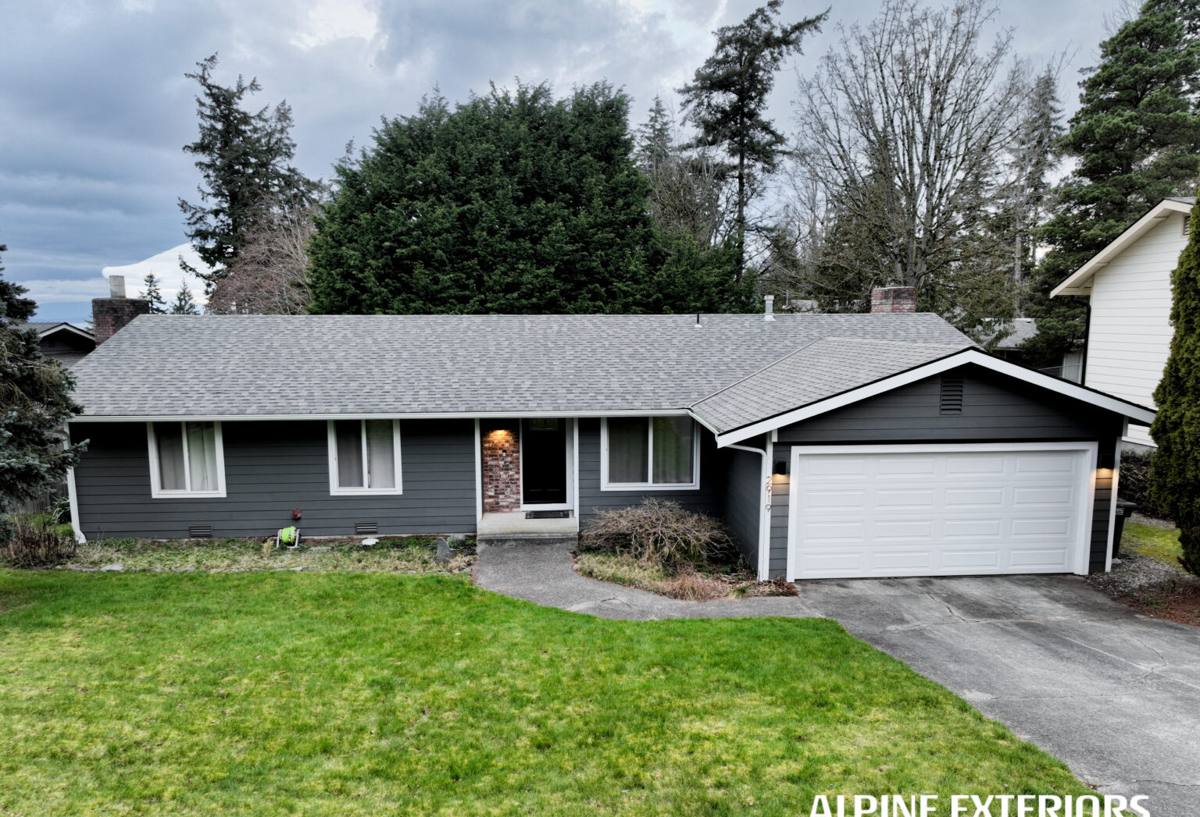
Why Fiber Cement Is the Only Siding We Install Here
We install James Hardie fiber cement siding exclusively. We don't install vinyl, LP SmartSide, Cemplank, Allura, or primed wood siding, and in a climate like Cortez's, the reasons are practical, not brand loyalty.
How It Compares to Vinyl, Wood, and Engineered Wood Siding
Vinyl siding is affordable and low-maintenance in mild climates, but it's a thin plastic product. Under sustained, intense Florida sun it can fade and become brittle over the years, and in high-wind events it's more prone to cracking or blowing off than a heavier, fastened fiber cement board. LP SmartSide and similar engineered wood products perform well when installation and maintenance are perfect, but they're wood-based — if moisture gets past a seam, caulk joint, or cut edge that wasn't sealed correctly, the material can swell and deteriorate, and repeat exposure to humid coastal air raises that risk. Untreated or primed cedar and spruce siding require the most ongoing maintenance of all and are the least forgiving of Florida's moisture cycle.
James Hardie fiber cement is a cement-and-cellulose composite. It doesn't rot, it's non-combustible, it holds up to direct sun without the softening or fading issues plastic siding can develop, and its factory-applied ColorPlus finish is baked on under controlled conditions rather than painted on site — which matters when your home is absorbing months of unbroken Florida sun every year.
| Factor | Vinyl | Engineered Wood (LP SmartSide) | James Hardie Fiber Cement |
|---|---|---|---|
| Salt air / corrosion resistance | Moderate — can chalk and fade | Moderate — coatings wear over time | Strong when installed and finished correctly |
| Moisture / rot risk | Low risk, but can warp | Higher — wood-based core | Non-combustible, does not rot |
| High-wind performance | Can crack or detach | Depends on installation quality | Heavier board, mechanically fastened per wind-zone spec |
| UV / fade resistance | Can fade and become brittle | Field-applied paint fades over time | Factory ColorPlus finish resists fading |
| Maintenance | Low, but hard to repair invisibly | Requires diligent caulk/paint upkeep | Low — periodic caulk and inspection |
What a Correct Fiber Cement Installation Involves in a Coastal Climate
Fiber cement siding is only as good as the installation behind it. In a place like Cortez, the details that get skipped on a rushed job are exactly the ones that cause water intrusion during the next tropical system.
Moisture Management Starts Before the First Board Goes Up
Before any siding goes on, the wall needs a proper weather-resistive barrier, correctly lapped and taped, with attention to every window, door, and penetration. Any existing moisture damage in the sheathing has to be found and repaired first — covering it with new siding doesn't fix rot, it hides it.
Fastening and Wind Resistance
James Hardie publishes specific fastening patterns and clearances based on wind zone and exposure category, and coastal Manatee County properties generally call for tighter fastener spacing and corrosion-resistant fasteners than an inland installation would need. Skipping the manufacturer's engineered fastening schedule is one of the most common ways a siding job fails in a storm, even when the material itself is rated for the job.
Trim, Caulking, and Flashing
Every seam, corner, and penetration is a potential entry point for wind-driven rain. Correct flashing above windows and doors, properly sealed trim joints, and the right clearance from grade, decks, and roof lines keep water moving away from the wall assembly instead of into it. This is detail work that shows up in how the house performs during the next heavy storm, not in how it looks the day it's finished.
Choosing the Right HardiePlank or HardiePanel Profile and ColorPlus Finish
James Hardie's product line gives us flexibility to match a home's architecture rather than force a one-size approach. HardiePlank lap siding is the most common choice for traditional horizontal siding looks, while HardiePanel works for vertical or board-and-batten styles that suit certain cottage and coastal aesthetics. James Hardie also engineers its siding formulations by climate zone (marketed as HZ5 and HZ10 depending on region), which is relevant in a humid, moisture-heavy market like ours — the product is formulated with this climate in mind rather than a one-size national spec.
ColorPlus Technology finishes are baked on at the factory rather than field-painted, which gives more even coverage and better fade resistance under sustained sun than a job-site paint job. We'll walk through profile and color options as part of the estimate, based on your home's style and exposure.
What Drives Cost on a Cortez Fiber Cement Siding Job
Every home is different, but a few factors consistently move the price on a fiber cement siding project in this area:
| Cost Factor | Why It Matters |
|---|---|
| Removal of existing siding | Tear-off, disposal, and any hidden sheathing repair add labor before new siding starts |
| Underlying moisture or wood damage | Rotted sheathing or framing found during removal needs to be repaired first |
| House wrap / weather barrier scope | Full barrier replacement is more involved than working with an existing sound wrap |
| Trim and detail work | Corners, fascia, and window/door trim in HardieTrim add material and labor |
| Home size and stories | More square footage and second-story access increase labor time |
| Profile and finish choice | Lap vs. panel siding and ColorPlus color selection affect material cost |
Our Process, Start to Finish
We start with an on-site inspection of your home's current siding, trim, and any visible moisture damage, and talk through profile and color options that fit the house. Once we scope the job, we handle the tear-off, inspect and repair sheathing as needed, install a proper weather barrier, and fasten the James Hardie siding to manufacturer specification for our wind zone — not a generic national default. Trim, caulking, and flashing details are finished before final cleanup and a walkthrough.
What to Check Before You Hire Any Siding Crew in Cortez
- Do they install James Hardie specifically, and can they explain why they don't use other materials in this climate?
- Will they document the fastening schedule and clearances they're using for your wind zone?
- Do they check for and repair moisture damage in sheathing before siding goes on, rather than covering it?
- Are they licensed and insured to work in Manatee County, and can they provide proof?
- Do they have experience specifically with coastal or waterfront properties, not just inland siding jobs?
- Will they pull the required building permit rather than skip it?
Why Local Cortez and Manatee County Experience Matters
A crew that's worked in Cortez already understands the difference between an inland Bradenton install and a bay-front one. That means knowing to spec tighter fastener patterns, use corrosion-resistant hardware, and pay closer attention to flashing and clearance details than a standard job might require. It also means understanding local permitting expectations in Manatee County, and — since Cortez is a recognized historic fishing village — knowing when a project may involve additional review, so we can flag that early rather than after work has started.
If you're weighing siding options for a home in Cortez, we're happy to take a look and walk you through what a correct James Hardie installation would involve for your specific house. Reach out below for a free, no-pressure estimate.