 Bradenton
 Siding Built for What Tara's Climate Actually Does to a Home
Tara is a well-established residential community in Bradenton, and like most of Manatee County, it sits squarely in a stretch of Florida where siding earns its keep every single day. It isn't just the occasional named storm that does the damage. It's the cumulative wear of intense year-round UV breaking down surface coatings, wind-driven rain forcing moisture into every seam and fastener hole it can find, salt-laden air off the Gulf accelerating corrosion on anything metal, and hurricane-force wind gusts that test every lap, joint, and nail pattern on the wall. Siding that isn't matched to this environment, or isn't installed correctly for it, tends to show its age fast — fading, cupping, softening at the bottom edges, or pulling away at the corners years before it should.
A correct siding installation in this part of Florida isn't just about picking a good-looking product. It's about the assembly behind the surface: the water-resistive barrier, the flashing details, the fastening schedule, and the product itself standing up to sun, salt, and wind pressure for decades without babysitting. That's the standard we hold every Tara project to.
How to Tell Your Tara Home's Siding Is Falling Behind
Most siding problems in this climate don't show up as one dramatic failure — they show up as a pattern of small warning signs that add up over a few seasons. Homeowners in Tara should watch for:
- Visible fading or chalkiness, especially on south- and west-facing walls that take the most direct sun
- Soft spots, swelling, or a spongy feel near the bottom courses, around window trim, or at corner boards
- Nail heads popping through the surface, or streaks of rust bleeding down from fastener points
- Cracked, buckled, or separated panels after wind events, even minor ones
- Paint or coating that's peeling, bubbling, or wearing thin faster than it did in previous years
- Visible gaps opening up at seams, joints, or where siding meets trim, doors, and windows
- A musty smell or discoloration on interior walls that back up to exterior siding
Any one of these on its own might just mean a repair. Several at once, or a home that's simply reaching the end of its original siding's practical service life, usually means it's time to talk about full replacement rather than patching around the problem indefinitely.
Why This Company Installs Only James Hardie Fiber Cement
We made a deliberate decision to install James Hardie fiber cement siding exclusively, and nothing else — not vinyl, not LP SmartSide, not Cemplank or Allura, not primed wood. That's not a marketing position, it's a standard we hold because of what this climate does to alternatives over time. Vinyl can soften, warp, or become brittle under sustained heat and UV, and it isn't the best match for a region that also sees significant wind loads. Wood-based and engineered-wood products, however well-engineered, are still organic materials that are more sensitive to moisture intrusion and require more diligent maintenance to keep that vulnerability in check.
James Hardie fiber cement is non-combustible, dimensionally stable in heat and humidity, and finished at the factory with a baked-on ColorPlus coating engineered to resist UV fade far longer than field-applied paint. Hardie also produces an HZ5 product line specifically engineered for hot, humid, high-moisture climates like ours — which matters, because Manatee County's combination of heat, humidity, and salt air is exactly the environment that separates a siding product that lasts from one that doesn't. We stand behind one system because we've seen what correct installation of that system delivers over the long haul, and we'd rather do one thing at the highest standard than offer a menu of products we can't fully vouch for.
What a Correct Siding Installation Actually Involves
Tear-Off and Substrate Inspection
Every installation starts with removing the old siding down to the sheathing and actually looking at what's underneath. In a coastal climate, hidden moisture damage, soft sheathing, or compromised framing is common enough that skipping this step is one of the most expensive mistakes a crew can make. Problems found here get repaired before anything new goes up — never covered over.
Moisture Management Before the First Board Goes Up
A weather-resistive barrier is installed correctly lapped, sealed, and flashed at every penetration — windows, doors, hose bibs, vents, and utility penetrations. This layer is what actually keeps wind-driven rain from reaching the framing, and it's arguably more important to long-term performance than the siding itself. Rushed or improperly lapped house wrap is one of the most common causes of hidden rot behind siding that looks fine from the street.
Fastening, Clearances, and Flashing to Manufacturer Spec
James Hardie publishes specific fastener types, spacing, and clearance requirements for a reason — those specs are what allow the product to perform in high-wind regions and resist moisture wicking at the bottom edge. Correct installation means the right fasteners driven at the right depth and spacing, proper clearance above rooflines, decks, and grade, and flashing details at every horizontal transition. Cut corners here are invisible on day one and expensive five years later.
The ColorPlus Finish Layer
Where ColorPlus prefinished product is used, joints and cut edges get properly treated with matching touch-up product so the factory finish's UV resistance isn't compromised at the seams — a detail that matters enormously under Florida sun.
Matching the Right Hardie Product to a Tara Home
James Hardie makes several distinct product profiles, and the right one depends on the home's existing architecture, HOA expectations common in a planned community like Tara, and how much of the exterior is being replaced.
| Product | Best Fit | What It Offers |
|---|---|---|
| HardiePlank lap siding | Most traditional single-family homes | Classic horizontal lap look, wide range of ColorPlus finishes, the most common choice in this region |
| HardiePanel vertical siding | Gable accents, porch areas, modern facades | Clean vertical lines, often paired with lap siding as an accent |
| HardieShingle siding | Coastal or Craftsman-style accents | Shingle-profile texture with the durability of fiber cement instead of wood shakes |
| HardieTrim boards | Corners, fascia, window and door surrounds | Matches the siding system so trim doesn't become the weak point |
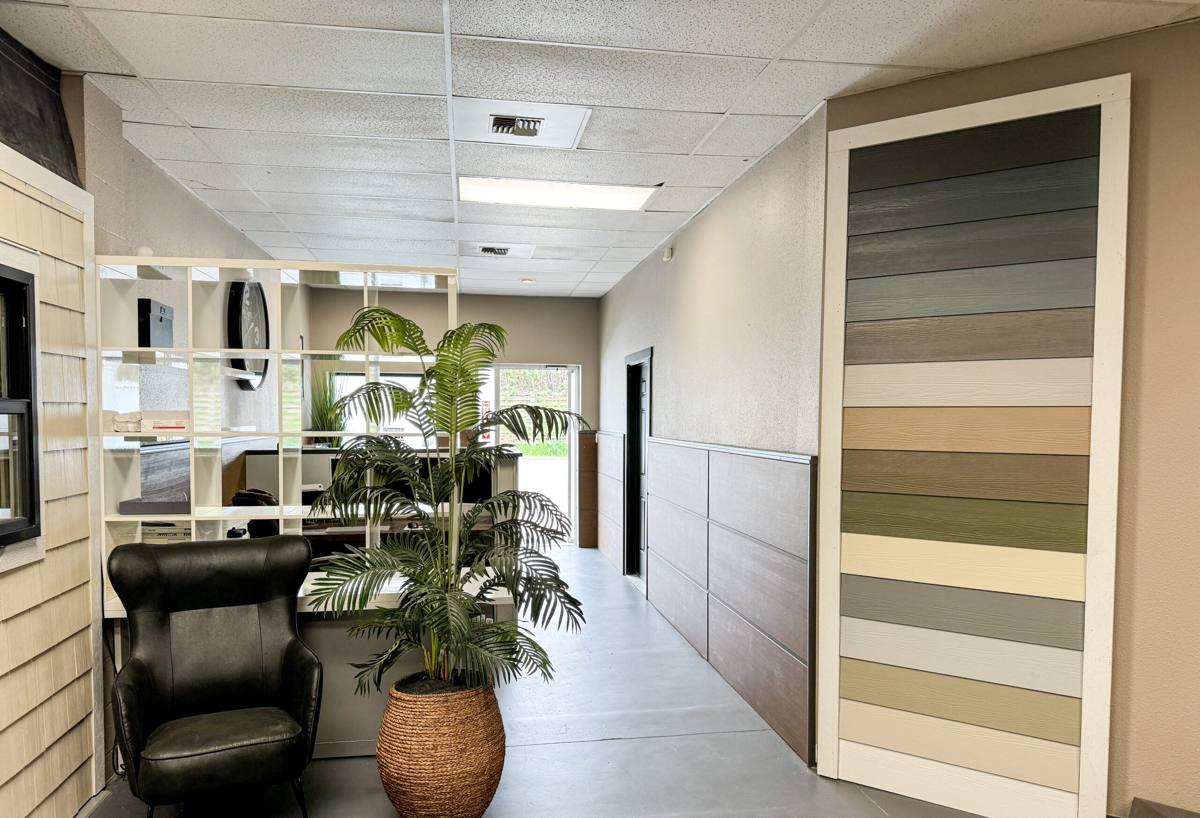
We'll walk through which profile and color fit your home's style, your HOA's guidelines if Tara's covenants apply to your section, and the practical performance trade-offs — there's usually a clear best answer once we've seen the house.
Our Process, Start to Finish
- On-site evaluation — we inspect current siding, trim, and any visible moisture or structural concerns, and take accurate measurements.
- Written estimate — a clear scope of work, product and color selection, and pricing with no vague allowances.
- Scheduling and material order — Hardie product is ordered to spec once the project is confirmed.
- Tear-off and inspection — old siding comes off, sheathing is inspected, and any repairs are addressed and documented before moving forward.
- Weather barrier and flashing installation — the moisture management layer goes in correctly, not as an afterthought.
- Siding installation to manufacturer spec — fastening, clearances, and joint treatment done to the standard the product is engineered for.
- Final walkthrough — we review the completed work with you before calling the job done.
- Cleanup — job site debris, old materials, and fasteners are cleared from the property.
What Drives the Cost of a Siding Installation in Tara
Every home is different, so we don't quote from a generic price list — but these are the real factors that move the number up or down:
| Factor | Why It Matters |
|---|---|
| Home size and wall complexity | More square footage, corners, and architectural detail means more material and labor |
| Condition of the sheathing underneath | Hidden moisture or structural repairs found during tear-off add scope |
| Product profile chosen | Lap, panel, and shingle profiles carry different material and labor costs |
| Trim and accent work | Full trim replacement to match the new system adds to the scope |
| Number of stories and access | Second-story and hard-to-access walls take more time and equipment |
| Color and finish selection | Custom ColorPlus finishes can price differently than standard options |
We'll break all of this down clearly in a written estimate so there are no surprises once work begins.
Why Hiring a Crew That Already Works in Tara Matters
Siding installation in Manatee County isn't just a technique question — it's also a local-knowledge question. Homes here fall under Florida Building Code wind requirements that specifically address fastening and product approval for our wind zone, and inspectors expect an installation that meets that standard, not just looks the part. Planned communities like Tara often have their own architectural review guidelines around exterior color and material changes, and getting that approval sorted out before work starts avoids delays partway through a project. A crew that already works in this area knows the permitting process with the local building department, understands what Manatee County inspectors look for, and isn't learning the region's climate demands on your project.
That local familiarity, combined with installing a single product system to one consistent standard, is what lets us stand behind the work rather than hoping it holds up.
Ready to Talk About Your Tara Home's Siding?
If your siding is showing its age, or you're simply planning ahead before the next storm season, we're happy to take a look and give you a straightforward, no-pressure estimate. Use the form below to get started.