 Bradenton
 What a New Roof Has to Handle in Tara
Tara sits inland from the coast but that doesn't mean the roof over your head gets an easier ride than homes closer to the water. Manatee County still sees hurricane-force wind events, the same intense, nearly year-round UV that bakes the rest of the Gulf Coast, wind-driven rain that changes direction mid-storm, and salt-laden air that travels further inland than most homeowners assume. A new roof installed here isn't just a cosmetic upgrade or a box to check for insurance — it's the single most exposed system on the house, and it has to be built to take a real beating for decades, not just look good on install day.
We install a lot of roofs in Tara and the surrounding Bradenton neighborhoods, and the patterns repeat: homes built in the same era with the same original roofing systems, similar attic ventilation setups, and similar decking that's now old enough to need a close look once the shingles come off. That repetition is useful — it means we already know what to expect before we ever get on the roof, and we can plan around it instead of discovering it mid-job.
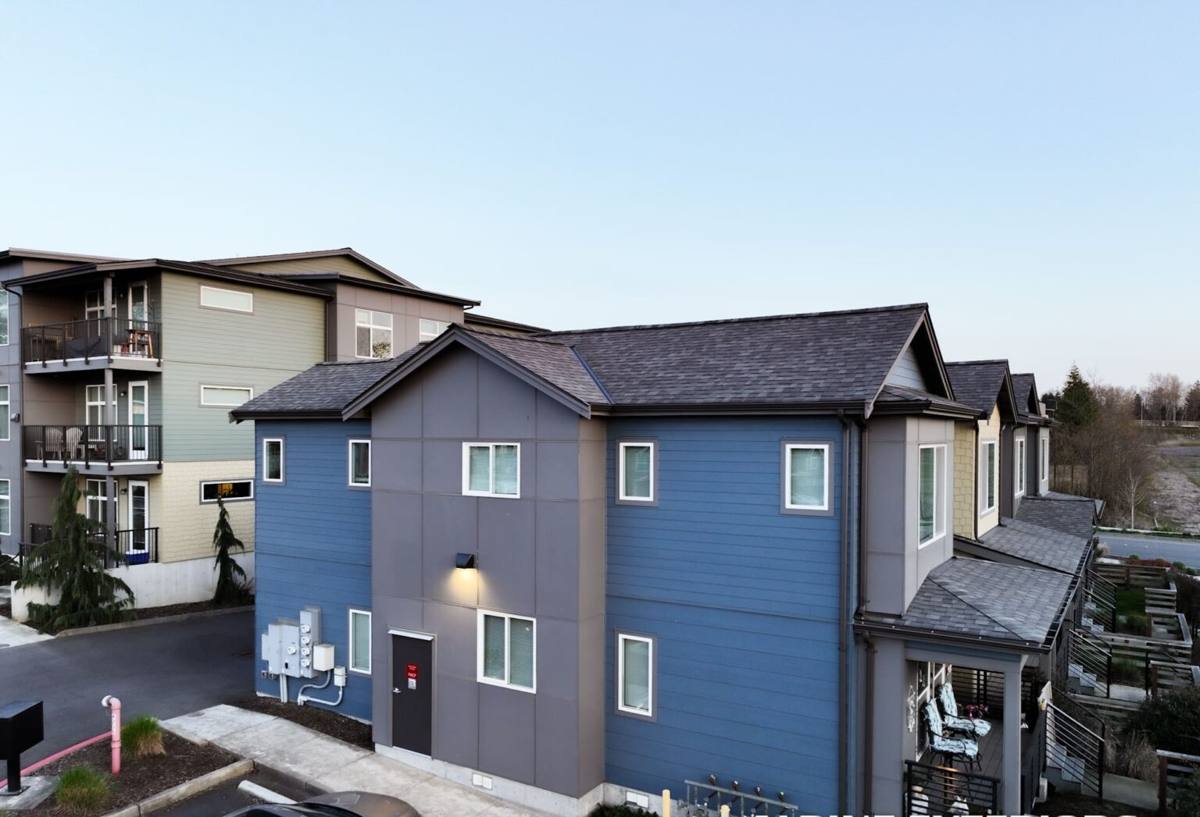
Why "New Roof" Means More Than New Shingles
A roof replacement done right is a full system, not a single product. The shingles or metal panels on top get the attention, but the layers underneath — decking, underlayment, flashing, ventilation — are what actually determine whether the roof performs for its full expected life or starts showing problems in year eight instead of year twenty-five. In a climate that runs Tara's homes through repeated cycles of soaking rain and intense sun, every one of those layers gets tested constantly, not just during a named storm.
The layers that matter most
- Decking — the plywood or board substrate the whole system is fastened to; its condition sets the foundation for everything above it
- Underlayment — the water-resistive layer between decking and the roof covering, which does the real work when wind drives water under the surface material
- Flashing — the metal detailing at valleys, chimneys, walls, and penetrations, where the large majority of real-world leaks actually start
- Ventilation — intake and exhaust venting that keeps the attic from cooking the decking and shingles from the inside out
- Fasteners — nail or screw type, pattern, and corrosion resistance, which matter more here than in an inland, non-coastal climate
- The finish material itself — shingles, metal, or tile, chosen for wind rating and heat performance, not just appearance
Skip or shortcut any one of those and the finish material on top can still fail early, no matter how good the shingles themselves are.
Tara's Climate, Layer by Layer
Hurricane-Force Wind
Wind is what separates a roof that survives a storm from one that ends up as debris in the yard. Uplift starts at edges, ridges, and corners, which is why proper starter strip, ridge cap, and fastening pattern matter as much as the shingle's advertised wind rating. A shingle rated for high wind speeds that's installed with the wrong nail pattern or spacing performs like a much cheaper product once a real gust hits it.
Wind-Driven Rain
Rain in a Gulf Coast storm doesn't fall straight down — it comes in sideways, working its way under shingle tabs and around flashing details that a calm-weather rain would never reach. That's the entire reason self-adhered underlayment at eaves, valleys, and penetrations exists: it's the roof's real second line of defense once wind pushes water past the surface layer.
Year-Round UV
Florida sun is intense across nearly every month of the year, not just a short summer stretch. UV breaks down asphalt shingle oils, degrades unstabilized underlayment, and accelerates the wear cycle on flashing sealants. A roof here is doing more UV-driven aging in five years than a similar roof in a milder climate does in eight or ten.
Salt Air
Tara is set back from the coastline, but salt-laden air still moves well inland across the county on prevailing winds, and it doesn't stop working just because a property isn't waterfront. Salt exposure accelerates corrosion in exposed fasteners, flashing, and any metal roofing component — which is why fastener and flashing material selection matters here even for homes that aren't within sight of the water.
Signs Your Roof Needs Replacement, Not Another Repair
Not every roof problem calls for a full tear-off. But a handful of signs usually mean patching is a short-term fix that's postponing a bigger cost, not avoiding it.
- Shingles that are curling, cupping, or losing granules across large sections rather than one isolated spot
- Multiple past repairs in different areas of the same roof within a few years
- Soft spots or visible sagging when walking the roof, which usually points to decking damage
- Daylight visible through the roof deck from inside the attic
- A roof approaching or past the manufacturer's expected service life for its material and this climate
- Rising energy bills tied to attic heat buildup from failing ventilation or insulation, not just the AC system
- Difficulty getting insurance coverage or a reasonable premium on an aging roof
How Our Installation Process Works
1. Inspection and Estimate
We start with a full walk of the roof and attic, not just a look from the driveway. That includes checking decking condition where accessible, current ventilation setup, flashing condition at penetrations, and any signs of past leaks or repairs. You get a written estimate that spells out material, scope, and what's included — not a vague number.
2. Tear-Off
The existing roofing comes off down to bare decking. This is also when we find out what's actually underneath — soft or delaminated plywood, undersized or missing flashing, ventilation that was never adequate to begin with. A fair process means showing you what we find before replacing it, priced clearly, rather than folding a guess into the original number.
3. Decking Repair
Any damaged or deteriorated sheathing gets replaced before anything else goes down. Fastening a new roofing system to compromised decking undermines the whole install, no matter how good the materials on top are.
4. Underlayment and Flashing
Self-adhered underlayment goes down at eaves, valleys, and any penetration where wind-driven rain is most likely to find a way in, with synthetic underlayment across the rest of the field. New flashing is formed and installed at every valley, wall intersection, and roof penetration — this is where the real leak protection lives, and where corners get cut on rushed jobs.
5. Ventilation Check
We confirm intake and exhaust venting is balanced for the attic's size, adding or correcting it where the existing setup falls short. Proper ventilation extends shingle life and keeps summer attic temperatures from working against the rest of the house.
6. Installation of the Finish Material
Shingles, metal panels, or tile go on to manufacturer specification — correct nail or fastener pattern, exposure, and starter and ridge detail. This step gets the most attention from homeowners, but it's the step where the previous five determine whether it actually performs.
7. Final Walkthrough and Cleanup
We walk the finished roof, check every penetration and edge, clear the site of debris and stray fasteners with a magnetic sweep, and go over warranty paperwork before we consider the job done.
Choosing a Roofing Material for a Tara Home
| Material | Wind/UV Performance in This Climate | Trade-Offs to Know |
|---|---|---|
| Architectural asphalt shingles | Good wind rating options; UV-stabilized granules resist fading and degradation | Most homeowners' best balance of upfront cost and lifespan; still needs correct fastening detail |
| 3-tab asphalt shingles | Lower wind rating, shorter realistic lifespan in this climate | Lowest material cost but generally not worth the shorter service life on a full replacement |
| Standing seam metal | Excellent wind and UV performance when detailed correctly | Higher upfront cost; fastener and clip detailing must account for salt exposure and thermal movement |
| Concrete or clay tile | Very good wind and UV durability | Heavier system requiring structural suitability; higher install complexity and cost |
What Drives Cost on a Tara Roof Replacement
Roof size sets the baseline, but the number on a written estimate moves for reasons that have nothing to do with square footage alone.
- Roof pitch and complexity — more valleys, hips, and roof-to-wall intersections mean more labor and flashing detail per square
- How much decking needs replacing once tear-off exposes what's underneath
- Material choice, from architectural shingle up through metal or tile
- Ventilation upgrades needed to bring an older attic setup up to current best practice
- Permit fees, which are a standard part of a legitimate roof replacement in Manatee County
- Site access — story count, landscaping protection, and how easily material and dumpster placement work on the lot
A written estimate should spell out each of these rather than handing you a single lump-sum figure with no breakdown to compare against another bid.
Why a Crew That Already Works Tara Is Worth Something
Roofing draws contractors who show up in the weeks after a storm, write a quick estimate, and are hard to reach the following year if something needs attention. A crew that already works Tara regularly has a different set of incentives — we're not disappearing after the invoice clears, and our reputation in this neighborhood depends on jobs holding up years later, not just looking finished on handoff day. We also already know the housing stock here: common roof ages, typical decking conditions for homes built in the same era, and the ventilation setups that tend to need correcting. That familiarity means fewer surprises during tear-off and a more accurate estimate before we ever start.
Before hiring anyone for a roof replacement, confirm current Florida contractor licensing and insurance, ask how they handle mid-project findings like decking damage, and get manufacturer warranty terms in writing rather than taking a verbal promise at face value.
Ready for a Straight Answer on Your Roof
If your roof is showing its age, was damaged in a storm, or you just want an honest opinion on whether repair or replacement makes more sense, we're happy to take a look. We offer free, no-pressure estimates for homeowners in Tara and the rest of the Bradenton area — use the form below to get started.