 Bradenton
 Siding Replacement Built for Ellenton's Climate
Ellenton sits along the Manatee River corridor between Bradenton and Parrish, close enough to Tampa Bay and the Gulf that homes here take a real beating from the weather most of the year. It's not one thing that wears out siding in this part of Manatee County — it's the combination. Intense UV exposure bakes painted and low-grade siding surfaces for months at a time. Salt-laden air drifting up from the coast accelerates corrosion on fasteners and trim. Sudden, wind-driven summer storms push rain sideways into seams and laps that were never meant to handle that kind of pressure. And when a tropical system tracks through, sustained hurricane-force gusts test every nail, joint, and piece of flashing on the exterior.
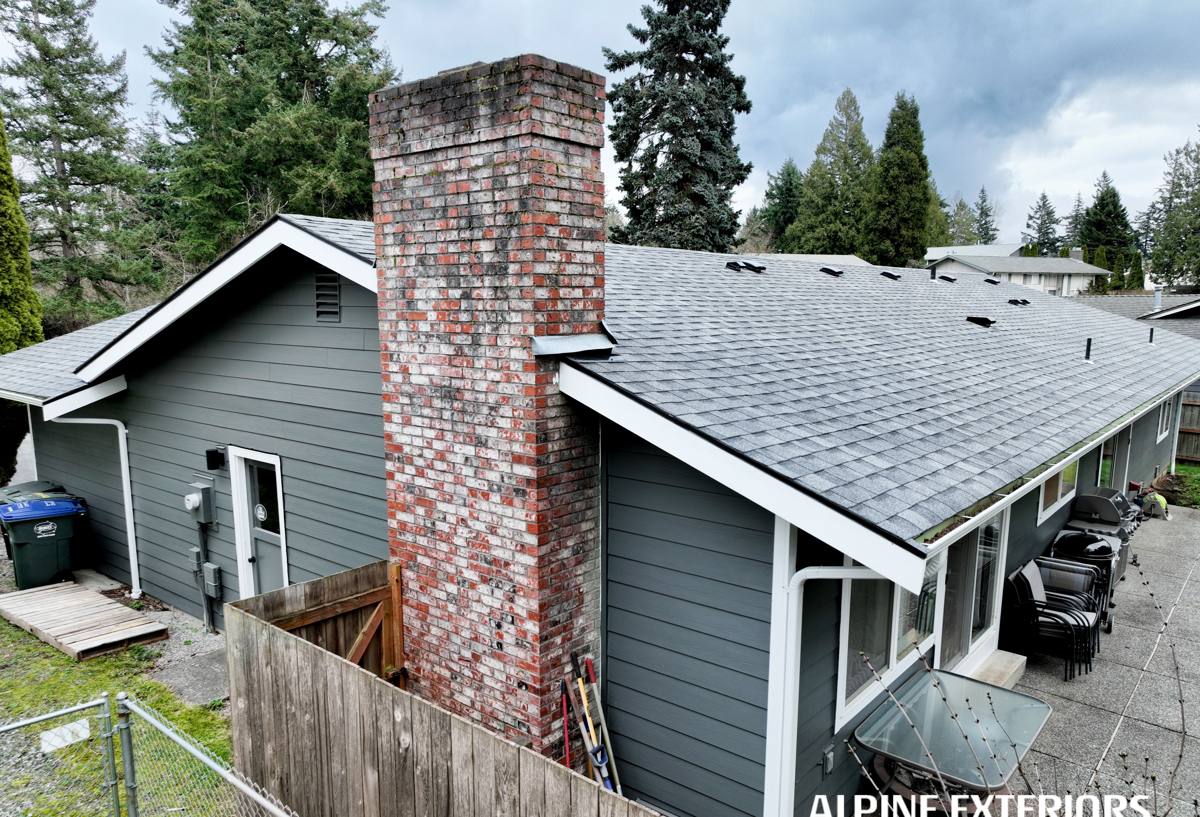
Siding replacement in Ellenton isn't a cosmetic upgrade — it's a structural decision about how well your home's envelope holds up to that combination year after year. We install James Hardie fiber cement exclusively, and this page walks through what a correct replacement actually involves here, not in a generic climate zone, but in this one.
Why Ellenton Homes Wear Siding Out Faster Than You'd Expect
UV and Heat Cycling
Florida's subtropical sun is brutal on exterior materials. Vinyl siding softens, warps, or fades under sustained UV exposure. Wood-based and engineered wood products rely on paint films to stay protected, and those films chalk and break down faster here than in cooler, drier climates. Daily heat cycling — hot afternoons followed by cooler nights or sudden rain — also stresses seams and caulk joints, opening tiny gaps that widen over time.
Salt Air and Moisture
Ellenton isn't beachfront, but it's close enough to the Gulf and Tampa Bay that salt-bearing air reaches inland regularly, especially on windy days. Salt accelerates corrosion on exposed fasteners, staples, and metal trim, and it interacts with moisture that's already sitting on and in porous siding materials. Any product that absorbs water even slightly is going to have a shorter service life here than the same product installed somewhere drier and further from the coast.
Wind-Driven Rain and Storm Load
Manatee County sees direct wind-driven rain during summer thunderstorms and, during tropical systems, sustained winds that push water horizontally into any weak point in the siding envelope. Loose laps, under-fastened panels, and gaps around penetrations (vents, outlets, hose bibs) become entry points for water intrusion long before a full panel failure ever shows up. This is why fastening pattern and flashing detail matter as much as the siding material itself.
What a Correct Siding Replacement Actually Involves
Replacing siding is not simply stripping off the old material and screwing up new panels. A replacement done to the standard this climate demands includes several distinct stages, and skipping any one of them is where premature failures start.
1. Tear-Off and Substrate Inspection
Full removal of the existing siding down to the sheathing, followed by an inspection of the wall structure underneath. In a coastal-influenced climate like Manatee County's, we're specifically checking for moisture staining, soft or rotted sheathing, rusted fasteners, and any sign that a prior weather-resistive barrier failed. Any compromised substrate gets addressed before a single new panel goes up — installing new siding over damaged sheathing just hides a problem that will resurface.
2. Weather-Resistive Barrier
A correctly lapped and sealed water-resistive barrier goes over the sheathing before any siding is installed. This layer is the actual last line of defense against wind-driven rain if water ever gets past the siding surface — the siding sheds the majority of the water, but the barrier underneath is what keeps a leak in the wall assembly from becoming a leak inside the house.
3. Flashing at Every Penetration
Windows, doors, hose bibs, vents, and any other wall penetration need proper flashing integrated with the water-resistive barrier — not just caulk. Caulk degrades under UV and heat cycling; flashing is a mechanical water management detail that doesn't rely on a sealant staying intact for the life of the siding.
4. James Hardie Panel Installation to Manufacturer Spec
Fiber cement siding has specific fastening, clearance, and gapping requirements, and those requirements exist because they've been engineered against wind uplift and moisture behavior. That means correct nail spacing and penetration depth, proper clearance from grade, roofline, and any horizontal surface, and correct joint treatment at butt seams and inside/outside corners. Installed to spec, HardiePlank and HardiePanel products carry a wind rating that holds up to the kind of gusts Manatee County sees during tropical storms and hurricanes.
5. Trim, Caulk, and Final Detailing
Corner boards, trim, and any remaining sealant joints get finished last, using products compatible with the ColorPlus factory finish so the whole system ages together instead of one component failing years ahead of the rest.
Why We Only Install James Hardie Fiber Cement
We get asked fairly often why we don't offer vinyl, LP SmartSide, or other engineered wood siding as a lower-cost option. The honest answer is that we've made a standard for the homes we put our name on, and in a climate like this one, the trade-offs of those other products show up faster and cost homeowners more over time than the up-front savings are worth.
Vinyl softens and can deform in sustained high heat, and it has real limits in high-wind exposure without heavier-gauge, more expensive systems. Engineered wood products depend on their paint and sealant layers staying intact to keep moisture out of a wood-based core, and that's a harder bar to clear consistently in a humid, salt-influenced environment with year-round UV load. James Hardie fiber cement is non-combustible, doesn't rely on a paint film alone to resist moisture intrusion the way wood-based products do, and its ColorPlus finish is factory-baked for UV resistance rather than field-applied. It's also engineered in HZ5 formulations specifically for hot, humid climates like ours. That's the product we stand behind, and it's the only one we install.
How the Products Compare
| Factor | James Hardie Fiber Cement | Vinyl | Engineered Wood (e.g. LP SmartSide) |
|---|---|---|---|
| Combustibility | Non-combustible | Combustible | Combustible |
| UV/fade resistance | Factory ColorPlus finish, engineered for long-term color hold | Can fade and soften under sustained heat/UV | Depends on paint film staying intact |
| Moisture behavior | Cement-based core, engineered HZ formulations for humid climates | Doesn't absorb water but can warp/deform | Wood-based core vulnerable if paint film fails |
| Wind performance (installed to spec) | Rated for high-wind installation | Lower wind ratings unless heavier-gauge systems used | Adequate but panel/seam integrity depends on installation quality |
| Warranty (material) | Long-term, transferable | Varies by manufacturer/grade | Varies, often shorter than Hardie |
Our Process for an Ellenton Siding Replacement
- On-site assessment: We walk the exterior, check current siding condition, look for existing moisture or substrate damage, and note any problem areas around windows, roofline, and grade clearance.
- Written scope and product selection: You get a clear scope of work and a choice among Hardie product lines and colors suited to your home's exposure and style.
- Tear-off and substrate repair: Full removal of old siding, sheathing inspection, and repair of any compromised areas before moving forward.
- Weather barrier and flashing installation: Correctly lapped house wrap and flashing at every penetration, done before any new siding goes up.
- Hardie installation to manufacturer specification: Fastening, clearances, and joint treatment done to spec, not shortcut for speed.
- Final walkthrough: We review the finished exterior with you, covering care and maintenance and how to spot anything that would ever need attention.
What to Check Before You Hire Anyone for Siding Work in Manatee County
- Confirm they carry current Florida contractor licensing and insurance, and ask to see it — don't just take a verbal confirmation.
- Ask specifically what siding product they install and why, not just what's cheapest to quote.
- Ask how they handle substrate repair if rot or moisture damage is found during tear-off — a vague answer here is a warning sign.
- Ask about fastening pattern and flashing detail at windows and penetrations — this is where most real-world siding failures start.
- Ask whether they're familiar with local wind-load and building code requirements for exterior work in Manatee County.
- Get the scope of work and product/color selection in writing before any tear-off begins.
Signs Your Ellenton Home May Need Siding Replacement Now
Not every siding issue means a full replacement, but certain signs point to a system that's failed rather than one that just needs a repair.
- Soft, spongy, or visibly warped panels, especially near the base of walls or below windows.
- Persistent staining or discoloration that doesn't clean off, which can indicate moisture trapped behind the surface.
- Visible gaps, buckling, or separation at seams and corners, particularly after storm season.
- Paint or finish that's chalking, peeling, or fading unevenly across the exterior.
- Interior signs like musty odors or discoloration on interior walls that share an exterior wall with visibly aging siding.
Why Local Experience in Ellenton Matters
A crew that regularly works Manatee County homes knows what this specific stretch of Florida throws at an exterior — the salt exposure carried inland from Tampa Bay and the Gulf, the wind-driven rain patterns during summer storm season, and the way sustained UV load ages materials faster than in most other parts of the country. That local pattern recognition shows up in small decisions during a job: where to pay extra attention to flashing, which wall exposures take the worst of the weather and deserve the most careful installation, and what a normal amount of settling or wear looks like on a Manatee County home versus something that signals a real problem. It also means a straightforward relationship if you ever have a question about your siding down the road, rather than trying to track down a contractor who did one job in the area and moved on.
Ready to Talk About Your Home
If your Ellenton home's siding is showing its age or you're planning ahead of the next storm season, we're happy to take a look and walk you through honest options — no pressure, no obligation. Fill out the form below for a free estimate, and we'll talk through what your home actually needs.