 Bradenton
 Siding That Has to Work in Palmetto's Climate, Not Just Look Good
Palmetto sits right where the Manatee River meets Tampa Bay, and that location cuts both ways. It's part of what makes the area beautiful, and it's also exactly why siding here fails faster than siding almost anywhere else in the country. Homes in this part of Manatee County take a steady combination of intense UV exposure, wind-driven rain off the bay, salt-laden air, and the real possibility of hurricane-force gusts during storm season. Siding that was engineered for a mild inland climate simply was not built for this environment, and it shows within a few years in the form of fading, warping, cracking, or moisture damage behind the wall.
We install James Hardie fiber cement siding exclusively — not vinyl, not LP SmartSide, not cedar or primed wood products. That's not a marketing position, it's a standard we've held to because of what we consistently see happen to other materials on homes in this exact climate zone.
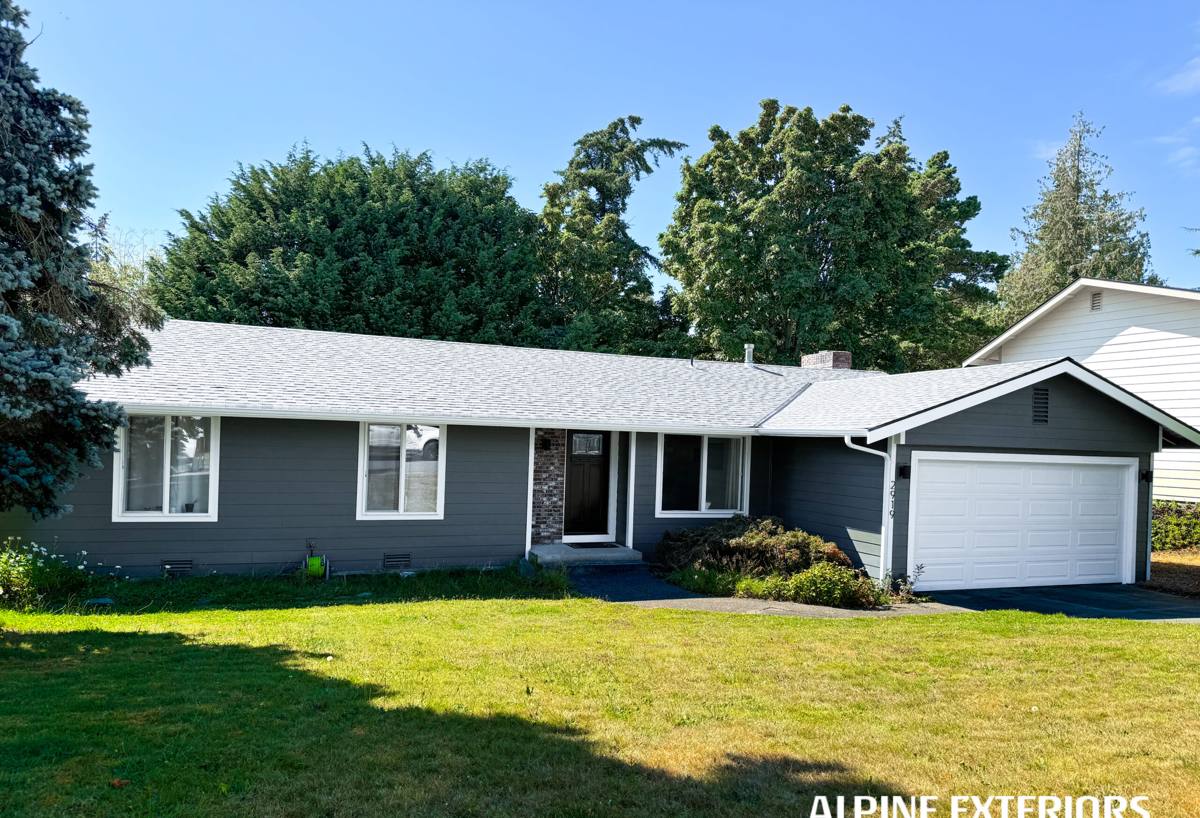
What Palmetto Homes Specifically Need From Their Siding
UV and Heat Resistance
Florida sun is relentless for most of the year, and it doesn't let up in the off-season the way it does further north. Siding materials that rely on surface-applied paint or vinyl's baked-in pigment tend to chalk, fade, or become brittle under that kind of sustained UV load. Hardie's ColorPlus factory finish is baked on and warrantied against fading, which matters far more here than it would in a milder climate.
Wind and Storm Performance
Palmetto is exposed to tropical storm and hurricane wind loads most seasons, and siding is one of the first things a storm tests. Fiber cement is dense and rigid, so it holds up to wind pressure and wind-driven debris far better than lightweight vinyl panels, which can crack, tear loose, or blow off entirely in sustained gusts.
Wind-Driven Rain and Moisture
Storms here don't just bring wind — they push rain sideways into every seam and joint in an exterior wall. Siding systems that trap moisture behind the panel, or that swell and rot when they get wet repeatedly, are a serious long-term liability in this climate. Hardie's fiber cement composition doesn't absorb and swell the way wood-based products do, and correctly installed flashing and joints keep water moving out and away from the wall assembly instead of behind it.
Salt Air Exposure
Being this close to Tampa Bay means salt is in the air more days than not, and it accelerates corrosion and degradation on building materials that aren't built to tolerate it. This affects everything from fasteners to trim to the siding surface itself. It's one more reason we specify corrosion-resistant fastening details and Hardie-approved installation methods rather than cutting corners with generic hardware.
Why We Only Install James Hardie — Not Alternatives
Homeowners in Palmetto often ask why we don't offer vinyl or engineered wood siding as a lower-cost option. The honest answer is that we've standardized on one product because it's the one we can stand behind in this specific climate, for the life of the warranty, without caveats.
- Vinyl siding is affordable and easy to install, but it's a thin material that can crack in high wind and distort under sustained direct sun — a real issue given how much UV exposure this region gets.
- LP SmartSide and other engineered wood products perform reasonably well in drier, more moderate climates, but wood-based cores are more vulnerable to swelling and edge deterioration when they take on repeated moisture, which is a near-constant risk this close to the water.
- Cedar and primed wood siding require an ongoing maintenance commitment — recoating, caulking, and monitoring for rot — that most homeowners don't want to take on indefinitely, especially in a climate that accelerates every one of those failure points.
None of these products are "bad" in every application. They're just not the product we're willing to warranty our installation work on in a coastal Gulf climate. James Hardie's fiber cement formulation is non-combustible, dimensionally stable, and specifically engineered in HZ (HardieZone) product lines for high-humidity, high-moisture climates like ours.
Comparing Siding Materials for This Climate
| Factor | Vinyl | Engineered Wood | James Hardie Fiber Cement |
|---|---|---|---|
| UV / fade resistance | Moderate, can chalk over time | Depends on paint upkeep | Strong, factory-baked ColorPlus finish |
| High-wind performance | Can crack or blow loose | Generally stable if installed correctly | Dense, rigid, rated for high-wind zones |
| Moisture / swelling risk | Low absorption, but seams can leak | Higher — wood-based core | Low — cement-based, won't swell like wood |
| Salt air durability | Fair | Fair to poor over time | Strong when installed with correct fasteners |
| Maintenance | Low, but limited repair options | Moderate — recoating needed | Low — occasional wash, repaint on a longer cycle |
| Fire resistance | Poor — melts/deforms | Combustible | Non-combustible |
What a Correct James Hardie Installation Actually Involves
The product itself is only part of the equation — how it's installed determines whether it performs for twenty-plus years or develops problems in five. In a climate like Palmetto's, installation details aren't optional extras, they're the difference between siding that sheds wind-driven rain and siding that traps it.
- Proper water-resistive barrier and flashing detail behind every panel, especially around windows, doors, and penetrations
- Correct fastener type, spacing, and embedment depth per Hardie's published installation specs
- Manufacturer-specified clearances at grade, roofline, and other trim intersections to prevent moisture wicking
- Proper joint and seam treatment, including factory-primed cut edges recoated in the field
- Ventilation behind the cladding where the wall assembly calls for it
- Use of Hardie-approved trim, corner, and soffit components rather than mismatched materials
Skipping or rushing any one of these steps is how a quality material still ends up with moisture problems down the line. It's also why the installing crew matters as much as the product choice.
Why a Crew That Already Works Palmetto Matters
Siding installation isn't one-size-fits-all across Florida, let alone across the country. A crew that regularly works homes in Palmetto and greater Bradenton already understands the wind exposure categories that apply locally, the moisture patterns specific to Manatee County's proximity to the bay, and the kind of flashing and fastening details that hold up here versus further inland. That local repetition matters — it's the difference between a crew following a generic install manual and a crew that has already seen how their work holds up through a full Gulf Coast storm season.
We also understand the permitting and inspection expectations specific to this area, so the job moves through approval without unnecessary delays or rework.
Our Process for a Palmetto Siding Project
- On-site assessment — we inspect your existing siding, sheathing, and wall assembly for any moisture or structural issues before quoting anything
- Product and color selection — choosing the right Hardie board profile and HZ product line for your home's exposure
- Detailed proposal — a clear scope covering removal, prep, flashing/moisture barrier work, installation, and finish details
- Installation — installed to Hardie's published specifications, not shortcuts, with attention to every joint and penetration
- Final walkthrough — reviewing the finished work with you before we consider the job done
Cost Factors to Expect
Every home is different, but a few factors consistently drive cost on Palmetto-area siding projects: the condition of the existing wall assembly (whether there's hidden moisture damage to address before new siding goes on), the home's overall square footage and architectural complexity, the Hardie product line selected, and trim and detail work around windows, corners, and rooflines. We won't know your real number until we've seen the home, but we're upfront about these factors from the first conversation so there are no surprises in the proposal.
What to Ask Any Siding Contractor Before You Hire
- Are you a factory-certified James Hardie installer, and can you show documentation of that?
- What's your specific plan for flashing and moisture management on my home?
- What fastener type and spacing will you use, and does it match Hardie's published specs?
- How do you handle unexpected moisture or sheathing damage found once old siding comes off?
- What does the warranty actually cover — material, labor, or both?
If a contractor can't answer these clearly, that's worth paying attention to before signing anything.
Get a Free, No-Pressure Estimate
If your Palmetto home's siding is fading, cracking, or showing signs of moisture damage, it's worth getting a straightforward professional assessment before storm season puts more stress on it. Use the form below to request a free estimate — we'll take a look, answer your questions honestly, and give you a clear picture of your options.