 Bradenton
 New Construction Windows in Tara: Getting It Right Before the Stucco Goes On
Tara is one of the established residential communities on the east side of Bradenton, and like most of Manatee County it sees a steady mix of new single-family builds, teardown-rebuilds, and additions every year. When a home is under construction, the window installation is one of the few jobs on the site that you genuinely cannot fix later without tearing into finished walls. Once stucco, siding, or drywall closes in around a window opening, any mistake in the flashing, the fastening, or the product selection is hidden — and it usually shows up as a leak, a failed inspection, or a warranty denial years down the road.
New-construction window work is a different trade discipline than replacing windows in an existing home. There's no old frame to reference, no existing weep system to match, and no forgiveness built in from a prior installer's work. Everything — the rough opening, the flashing sequence, the fastening schedule, the sealant joints — has to be built correctly the first time, to spec, in the order the building envelope requires.
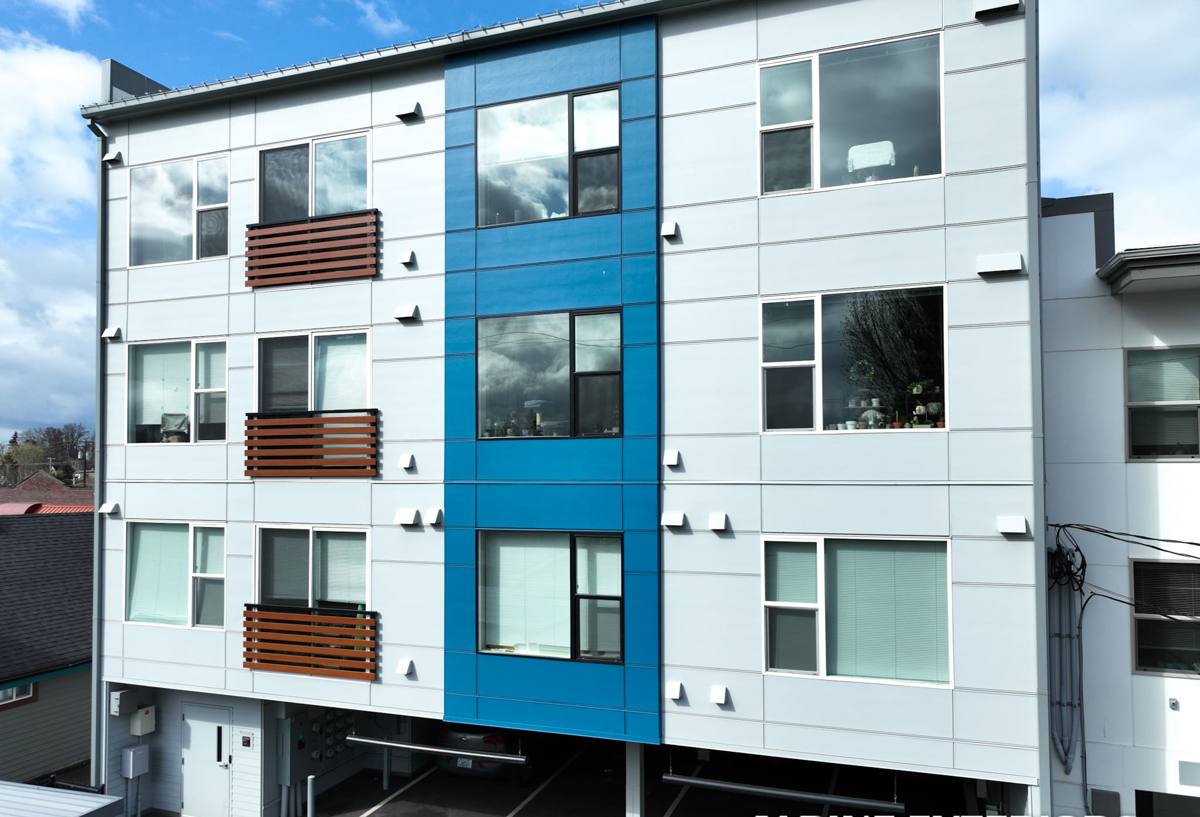
What Tara's Climate Asks of a New Window Install
Bradenton and the rest of Manatee County sit in a part of Florida that gets the full range of what the Gulf Coast can throw at a building envelope. New construction windows here need to hold up to four separate, ongoing stresses:
- Hurricane-force wind loads — the structural pressure a wall assembly and its window openings need to resist during a storm, both positive (pushing in) and negative (suction, pulling out).
- Wind-driven rain — water forced sideways and upward under pressure, which defeats any flashing detail that only accounts for gravity.
- Intense, near-constant UV exposure — Florida sun degrades vinyl, seals, and low-grade glazing compounds faster than almost anywhere else in the country.
- Salt air corrosion — even homes several miles inland get enough airborne salt to accelerate corrosion on the wrong hardware, fasteners, or aluminum alloys over time.
A window that's rated correctly on paper but installed with the wrong flashing sequence, the wrong sealant, or the wrong fastener will still fail against these conditions — sometimes within a single storm season. The product spec and the installation quality have to both be right; neither one compensates for the other.
Florida Building Code and What It Means for a Tara Build
New construction in Manatee County falls under the Florida Building Code's wind-borne debris and pressure requirements for the region, which set minimum design pressure ratings and impact resistance standards based on the site's wind speed zone and exposure category. These aren't optional guidelines — they're what your building department checks before issuing a certificate of occupancy, and what your inspector will hold up a rough-in or final inspection over if it's missing or undocumented.
What we verify before a single window goes in the opening
For every new-construction job we confirm the required design pressure rating for that specific opening (pressures vary by wall location — corners and upper floors often need higher ratings than mid-wall openings on lower floors), confirm whether impact-rated glazing or a code-compliant opening protection system is being used, and make sure the product's Florida Product Approval or Miami-Dade NOA (where used as an alternative compliance path) actually matches what's specified for that opening. Mismatches between what's on the permit set and what shows up on the pallet are one of the most common causes of failed inspections on new builds.
What a Correct Installation Actually Involves
The window unit itself is only part of the job. The flashing and integration with the wall assembly is what determines whether the opening stays dry for the next twenty-plus years.
The sequence matters more than most homeowners realize
A correct new-construction install follows a strict order: the rough opening is prepped and checked for square and level, a sill pan flashing is installed to direct any incidental water back out rather than into the wall cavity, the window is set and fastened per the manufacturer's approved schedule (fastener type, spacing, and embedment all matter for the wind rating to actually hold), and then the flashing tape or building wrap integration happens in a shingle-style sequence — each layer overlapping the one below it so water always sheds outward, never into the wall.
Skipping or reordering any one of these steps is invisible on the day of installation. It becomes visible two or three rainy seasons later, as staining, soft drywall, or mold behind the finished wall — usually well after the original installer is gone.
How We Handle a New-Construction Job in Tara
New-construction window work means coordinating with a builder's schedule, not just showing up to a finished house. Our process is built around that:
- Plan review — we review the permit set and window schedule before the walls are even framed, flagging any opening where the specified product doesn't match the required design pressure or impact rating for that location.
- Site verification — once framing is up, we field-verify every rough opening against the approved window schedule, because framing dimensions and plan dimensions don't always agree.
- Installation on the builder's timeline — windows go in at the dry-in stage, before stucco or siding closes the opening, following the flashing sequence the wall assembly calls for.
- Pre-close documentation — we photograph flashing and fastening details before they're covered, so there's a record of what's behind the finished wall if it's ever needed for a warranty claim or inspection question.
- Final walkthrough — every window is checked for operation, seal, and hardware before we consider the job done.
Working directly with the general contractor or builder on-site — rather than as a disconnected sub who shows up once — is what keeps a window install from becoming the bottleneck that holds up dry-in or final inspection.
Choosing a Window Product for a New Build Here
Frame material and glazing package both affect how a window performs against Bradenton's combination of wind, heat, and salt air. There's no single "best" answer for every home — it depends on the wall assembly, budget, and how exposed the opening is — but the trade-offs are worth understanding before you sign off on a spec.
| Frame Material | Wind/Impact Performance | UV & Heat Behavior | Salt Air Durability | Relative Cost |
|---|---|---|---|---|
| Vinyl (impact-rated) | Good, when properly reinforced | Can soften/discolor over decades in direct sun | Good — won't corrode | Lower to mid |
| Aluminum (impact-rated) | Very strong, common in coastal new construction | Handles heat and UV well | Needs marine-grade alloy and coating to resist pitting | Mid to higher |
| Fiberglass | Strong, dimensionally stable | Excellent — very low expansion/contraction | Excellent | Higher |
For most new construction in this area, the bigger decision isn't frame material alone — it's whether you're using laminated impact glass throughout or standard glazing paired with code-compliant shutters or panels. Impact glass costs more up front but removes the need to install and store separate storm protection, and it also cuts down on UV and outside noise year-round, not just during storm prep.
Why Local Experience on a Job Like This Actually Matters
A crew that already works new construction around Bradenton and Manatee County knows the local building department's inspection expectations, knows which design pressure ratings typically apply to Tara's wall exposures, and isn't learning the permit review process on your project. That familiarity shows up in fewer re-inspections, fewer change orders from mismatched product specs, and a smoother handoff with whatever builder or GC is running the site. It also means we're not guessing at how the local climate treats a given product over time — we've already seen how different frame materials and installs hold up a few storm seasons in.
Questions worth asking any contractor before they touch a new-construction opening
- Will you verify the design pressure rating for each opening against the permit set before ordering product?
- What's your flashing sequence, and can you walk me through it before the wall closes in?
- Do you document flashing and fastening with photos before it's covered?
- Are your fasteners and hardware rated for coastal/salt-air exposure, not just standard-grade?
- Who handles re-inspection if a window fails an initial code check?
Common Mistakes We See in New-Construction Window Work
Most window problems in newer Manatee County homes trace back to a handful of repeatable issues, not bad products:
- Sill pan flashing skipped or installed backward, so incidental water drains into the wall instead of out of it.
- Fastener spacing or type substituted from what the product's approval actually requires, which quietly voids the wind rating.
- Window schedule mismatches where a lower-rated unit ends up in a high-pressure opening (typically corners or upper floors).
- Flashing tape applied in the wrong order relative to the building wrap, so water gets trapped instead of shed.
- No documentation of what's behind the finished wall, leaving nothing to reference if a leak shows up years later.
Every one of these is preventable with the right sequence and a crew that treats the inspection as a checkpoint, not an obstacle.
If you're building or renovating in Tara and want your windows specified and installed correctly the first time, we're happy to walk your plans and give you a straightforward, no-pressure estimate — just fill out the form below.