 Bradenton
 Asphalt Shingle Roofing Built for Tara's Climate
Tara is one of the established residential communities on the east side of Bradenton, and like the rest of Manatee County, it sits squarely in a climate that is hard on roofs. Homes here deal with intense, near year-round UV exposure, sudden wind-driven downpours, tropical storm and hurricane-force gusts, and a steady dose of salt-laden air moving in off the Gulf. None of that is unique to Tara alone, but the combination is a lot more punishing than what shingle manufacturers assume when they publish their standard lifespan estimates.
An asphalt shingle roof that's installed correctly for this environment, and maintained the way it should be, can still deliver a good service life. One that's installed to a bare-minimum spec, or that skips ventilation and flashing details because they're "not visible," tends to show problems years ahead of schedule — granule loss, curling edges, soft decking, and blown-off shingles after the first real windstorm.
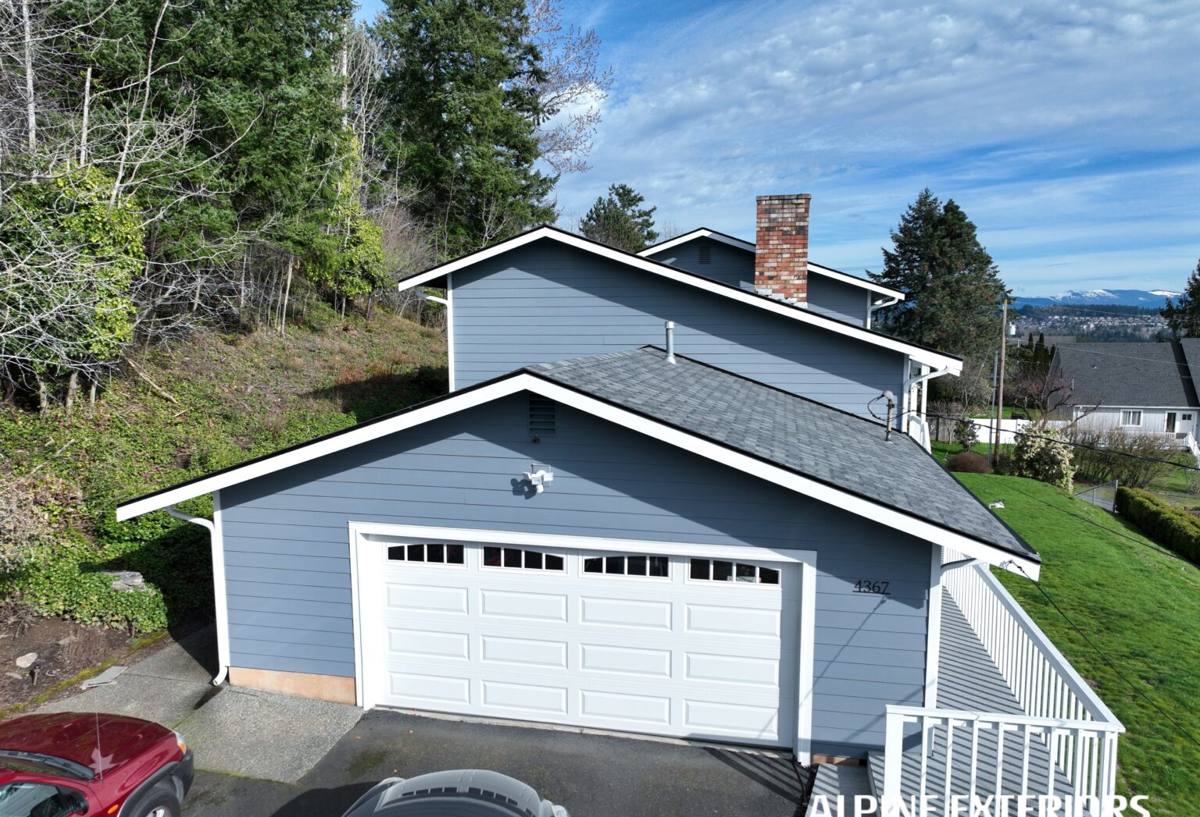
Why Standard Installs Fall Short Here
A lot of roofing problems we get called out for in Tara aren't really about the shingle brand — they're about how the roof underneath the shingles was built. Florida's climate punishes shortcuts in ways that milder climates simply don't.
UV and Heat
Bradenton gets strong, direct sun for most of the year. That UV load breaks down the asphalt in shingles over time, drying out the oils that keep them flexible. Cheaper felt underlayments and poorly ventilated attics accelerate this from underneath as well, baking the shingles from below on top of the sun hitting them from above.
Wind-Driven Rain
It's rarely rain falling straight down that causes leaks here — it's rain being driven sideways and upward under shingle edges during a squall or tropical system. That means flashing details around valleys, walls, skylights, and penetrations matter as much as the shingles themselves. A shingle roof can have a perfect field installation and still leak badly if the flashing work is sloppy.
Hurricane and Tropical Storm Winds
Manatee County sees real wind events, not just theoretical ones. Nail pattern, nail type, and shingle wind rating all directly affect whether a roof stays intact in a storm. This is also tied to Florida Building Code wind uplift requirements, which are stricter here than in most of the country.
Salt Air
Tara isn't beachfront, but salt-laden air still travels well inland across this part of the Gulf Coast and accelerates corrosion on exposed metal — nail heads, flashing, vents, and fasteners. Using the wrong-grade metal or fasteners is a common source of early, avoidable roof failures.
What a Correct Asphalt Shingle Roof Job Actually Involves
A roof that's going to hold up under Bradenton conditions needs every layer done right, not just the shingles on top. Here's what we consider non-negotiable on a Tara re-roof or new install.
- Tear-off to solid decking and inspection for soft or delaminated plywood before anything new goes down
- Replacement of any damaged or rotted decking, not covering it over
- A synthetic or self-adhering underlayment rated for wind-driven rain, not builder-grade felt
- Ice-and-water-style sealed underlayment at valleys, eaves, and penetrations where leaks start
- Balanced attic ventilation (intake at the eaves, exhaust at the ridge) so heat and moisture don't cook the shingles from underneath
- Corrosion-resistant flashing and fasteners suited to salt-air exposure
- Shingle nailing pattern and nail count that meets or exceeds Florida Building Code wind uplift requirements for this region
- Proper starter strip and hip/ridge cap installation, which are common places corners get cut
Signs a Tara Roof Needs Attention
Most shingle roof failures don't happen all at once — there are warning signs first. Homeowners who catch these early usually spend a fraction of what a full emergency repair or premature replacement costs.
- Granules collecting in gutters or at downspout runoff points
- Shingle edges curling, cupping, or lifting, especially on the sun-exposed side of the roof
- Visible cracking or bald patches where granules have worn off
- Dark streaking or staining, which is often algae growth rather than dirt
- Soft spots or noticeable sagging when walked or viewed from a ladder
- Daylight visible through the attic roof deck, or musty odors in the attic
- Missing or displaced shingles after a storm, even if there's no active leak yet
- Rust staining around vent pipes, flashing, or exposed fasteners
How Our Process Works
We keep the process straightforward and transparent from first contact to final walkthrough.
1. On-Site Inspection
We walk the roof and the attic, not just look at it from the driveway. That includes checking decking condition, ventilation, flashing points, and the general age and wear of the current roof.
2. Honest Assessment
We'll tell you plainly whether you're looking at a targeted repair, or whether the roof's age and condition mean a repair is just delaying an inevitable full replacement. We're not going to sell a roof you don't need, and we're not going to patch a roof past the point where patching makes sense.
3. Written, Itemized Quote
You'll see what shingle line is being proposed, what underlayment and ventilation work is included, and what the fastening and flashing spec looks like — not just a single bottom-line number.
4. The Work Itself
Tear-off, decking repair as needed, underlayment, flashing, shingles, ridge, and cleanup — including a magnetic sweep of the property for stray nails and staging that keeps landscaping and driveways protected.
5. Final Walkthrough
We go over the finished roof with you before we consider the job done, including what maintenance, if any, to expect going forward.
Shingle Options and Cost Factors
There isn't one "right" shingle for every Tara home — it depends on your roof's exposure, your budget, and how long you plan to be in the home. Here's a general comparison to help frame the conversation before we get on your roof.
| Shingle Type | Typical Lifespan | Wind Performance | Best Suited For | Relative Cost |
|---|---|---|---|---|
| 3-Tab Shingles | Shorter end of the range | Lower wind rating | Budget-conscious projects, rental or secondary structures | Lowest |
| Standard Architectural (Laminate) | Mid-range | Good, meets most FBC wind requirements | Most primary residences in Tara | Moderate |
| High-Wind / Impact-Rated Architectural | Longer end of the range | Highest wind and impact rating available in asphalt | Homes wanting stronger storm performance and possible insurance credit | Higher |
The cost factors that move the number most on any given Tara roof are the number of layers being torn off, how much decking needs replacing, roof pitch and complexity (valleys, dormers, multiple planes), and the shingle line chosen. We'll walk through all of that plainly in the quote — there's no reason it should feel like a mystery.
Wind Ratings, Code, and Insurance
Florida Building Code sets minimum wind uplift and fastening standards, and those minimums are already higher than in most states because of exactly the kind of weather Manatee County sees. Beyond meeting code, choosing a higher wind-rated shingle and a stronger nailing pattern than the bare minimum is one of the more cost-effective upgrades available at the time of a re-roof — it's far cheaper to do right the first time than to redo after storm damage.
A properly documented, code-compliant install can also factor into a wind mitigation inspection, which is what insurers use to determine windstorm premium credits. We're happy to talk through what documentation we provide after a job, but we'd encourage you to confirm specifics with your insurance agent, since credit programs and requirements vary by carrier.
Maintenance That Actually Extends Roof Life
Asphalt shingle roofs are low-maintenance compared to some other roofing materials, but "low" doesn't mean "none," especially in this climate.
- Keep gutters and valleys clear so water isn't pooling or backing up under shingle edges
- Trim back overhanging branches that drop debris or hold moisture against the roof surface
- Have the roof looked at after any major wind event, even if nothing looks obviously wrong from the ground
- Address small leaks or lifted shingles quickly — they rarely stay small
- Confirm attic ventilation isn't blocked by insulation or storage, which traps heat and moisture
Why Local, Tara-Familiar Experience Matters
A roofing crew that regularly works in Bradenton and Manatee County understands the specific wind, rain, and UV load this area deals with, and builds to that reality rather than to a generic national spec. That shows up in the underlayment we choose, the fastener grade we use given the salt air, and how seriously we take flashing details that a less experienced or out-of-area crew might treat as an afterthought. It also means we're a known, reachable local business if a question or a warranty issue comes up down the road — not a name you only see once, at the top of a truck, during storm season.
If your Tara home is due for a roof inspection, a repair, or a full replacement, we're glad to take a look and give you a straightforward, no-pressure estimate. Use the form below to get started.