 Bradenton
 Southgate Roofs Take a Different Kind of Beating
Southgate sits inside a part of Bradenton and Manatee County that sees the full range of what Gulf Coast weather can do to a roof in a single year. Summer brings tropical systems and hurricane-force wind gusts that lift shingles and tiles from the edges in. Between storms, the sun is doing its own quiet damage — intense, near-daily UV exposure that bakes asphalt shingles brittle and breaks down sealants years before their rated lifespan. Add in wind-driven rain that gets pushed sideways under flashing and ridge caps, and salt air drifting in off the coast that speeds up corrosion on nails, flashing, and metal roofing panels, and you have a roof system that's under constant, layered stress even when nothing dramatic happens.
None of that means every Southgate roof needs replacing after a storm. Most storm calls we run are legitimate repairs — a section of shingles, a flashing detail, a soft spot where water found a way in. But it does mean storm damage repair here has to account for cumulative wear, not just the one event that prompted the call. A roof that's already sun-brittle from years of UV exposure will show storm damage differently, and repair further, than a newer roof would.
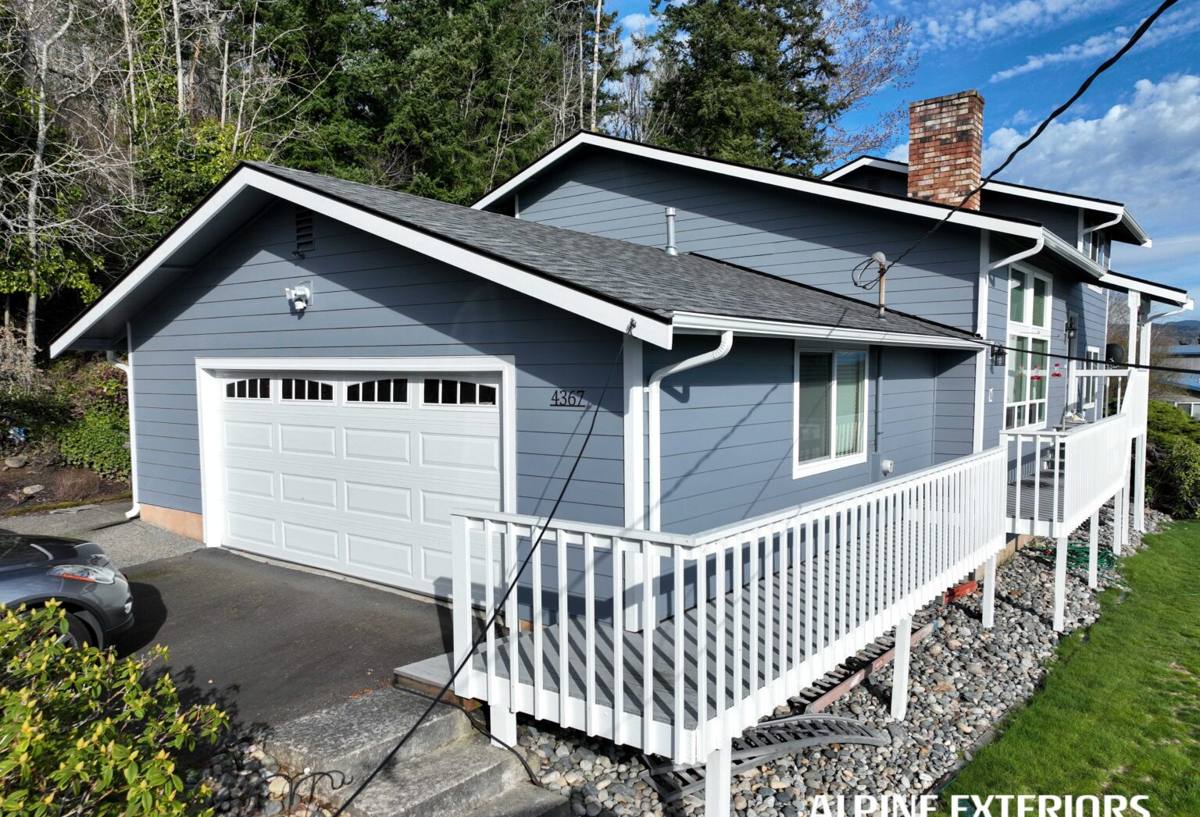
What Actually Counts as Storm Damage
Homeowners often think of storm damage as the obvious stuff — a tarp-worthy hole or shingles scattered across the yard. In practice, a lot of the damage we find on Southgate roofs after wind or heavy rain is less dramatic and easier to miss.
Wind Damage
Straight-line gusts and hurricane bands don't just tear shingles off — they lift the edges just enough to break the seal strip underneath, then let the shingle lie back down looking mostly normal. That shingle is now vulnerable to the next rain event, even though nothing looks visibly wrong from the ground.
Wind-Driven Rain Intrusion
Rain that comes in nearly horizontal during a strong storm can work its way under ridge caps, around vent boots, and along flashing edges that would shed a normal vertical rain just fine. This is one of the most common storm-related calls we get in Southgate — not a hole in the roof, but water finding a path through a detail that was fine under normal conditions.
Impact and Debris Damage
Branches, loose gutters, or airborne debris can bruise or crack shingles and tiles, dent metal roofing, and knock granules loose from asphalt shingles. Granule loss isn't cosmetic — it's the layer that protects the shingle from UV breakdown, so impact damage often shortens the roof's remaining life even when it doesn't cause an active leak right away.
What a Correct Storm Repair Actually Involves
A repair that just patches the visible symptom tends to fail again in the next storm. A repair that holds up in Manatee County's weather addresses the whole assembly, not just the top layer.
Full Roof Inspection, Not a Spot Check
We look at the full roof plane, not just the area the homeowner points to, because wind damage rarely stays confined to one spot. That includes checking flashing around chimneys, vent boots, and roof-to-wall transitions, since those are the details most likely to fail quietly.
Underlayment and Decking Condition
If water has been getting under the surface layer for any length of time, the underlayment and the roof decking underneath it need to be checked, not just the shingles or tiles on top. Replacing surface material over compromised decking is a repair that won't hold.
Matching Materials Correctly
Repairs should match the existing roof's material, profile, and where possible, color and age-weathering, so the repaired section performs the same as the rest of the roof rather than becoming a weak point of mismatched material and mismatched wear.
Flashing and Sealant Work
A large share of storm-related leaks trace back to flashing and sealant rather than the field of the roof itself. Proper repair means re-flashing and re-sealing these transition points with materials rated for sun and salt exposure, not just patching over the old sealant.
How Our Southgate Storm Repair Process Works
We work Southgate regularly, which changes how a storm call actually goes — we're not learning the neighborhood's housing stock and roof types for the first time on your roof.
- Initial assessment: a full roof inspection, inside and out, checking attic space for water staining or intrusion in addition to the exterior.
- Emergency mitigation if needed: tarping or temporary sealing to stop active water intrusion before the full repair is scheduled.
- Documentation: photos and a written scope of the damage, useful whether you're paying out of pocket or filing an insurance claim.
- Repair plan and honest recommendation: a clear explanation of what's repairable versus what's showing enough underlying wear that repair would be a short-term fix.
- The repair itself: matched materials, proper flashing and underlayment work, not just a surface patch.
- Final walkthrough: confirming the repair holds and there are no secondary issues, like damaged gutters or fascia, that came with the storm event.
Storm Damage and Insurance Claims
We're not an insurance company and we don't handle your claim for you, but we do provide the kind of documentation adjusters expect — dated photos, a written description of the damage, and a clear scope of repair. A few honest points worth knowing going in: not every storm-related repair rises to the level of a claim once you factor in your deductible, and insurers increasingly distinguish between sudden storm damage and gradual wear-and-tear from age and UV exposure. That's part of why an honest assessment of your roof's overall condition matters — it affects both what a claim will likely cover and what we'd recommend regardless of insurance.
Repair or Full Replacement — How to Think About It
Not every storm-damaged roof needs full replacement, and not every roof that looks fine after a storm should just get a quick patch. The right call depends on a few factors working together.
| Factor | Leans Toward Repair | Leans Toward Replacement |
|---|---|---|
| Roof age | Under 10-12 years, or well within material lifespan | Near or past expected service life for the material |
| Extent of damage | Isolated section or single detail (flashing, vent boot) | Multiple areas or widespread granule loss |
| Underlying decking | Dry, solid decking under the damaged area | Soft spots or water staining indicating ongoing intrusion |
| Prior repair history | First significant repair on this roof | Repeated patch repairs in the same areas over time |
| Overall material condition | Consistent color, intact seal strips elsewhere on the roof | Widespread brittleness or curling from UV exposure |
We'll walk you through where your roof falls on these factors rather than defaulting to the more expensive answer. A lot of Southgate homes get years more life out of a roof with a well-done, targeted repair.
Why a Crew That Already Works Southgate Matters
Roofing crews that work Bradenton and Manatee County regularly know the local building stock — the mix of shingle and tile roofs common in the area, typical roof pitches and ventilation setups, and the way local permitting and inspection process works for storm repairs. That familiarity shows up in smaller ways too: knowing which materials actually hold up against sustained salt air exposure this close to the coast, and having a realistic sense of how long weather-related material and scheduling delays can run during active storm season, so we can set expectations honestly instead of guessing.
It also matters for response time. In the days after a significant wind or rain event, roofing crews get busy fast. A crew already working in and around Southgate can typically get to an active leak or exposed section faster than one dispatching from farther away, which matters when water is actively getting into the house.
After the Repair: What Homeowners Should Keep an Eye On
A good storm repair should hold, but a little homeowner attention afterward catches small issues before they become bigger ones — especially in a climate that keeps testing the roof year-round.
- Check the attic for new staining or musty odors after any heavy rain in the months following a repair.
- Keep gutters and downspouts clear so water isn't backing up under roof edges.
- Trim back tree limbs that hang over or near the roof to reduce future impact and debris risk.
- Have the roof looked at after any named storm that produces sustained high winds in the area, even if nothing looks obviously wrong.
- Watch for granule buildup in gutters, which can signal accelerating shingle wear.
- Note the date of the repair and keep any documentation or photos in case future insurance or resale questions come up.
Get a Straight Answer on Your Southgate Roof
If a recent storm has left you with missing shingles, a stain on the ceiling, or just a nagging feeling that the roof took more of a hit than it looks like from the ground, it's worth getting it looked at before the next round of rain finds the same weak spot. We offer free, no-pressure estimates for Southgate homeowners — an honest look at what's actually damaged, what it'll take to fix it right, and whether repair or replacement makes more sense for your roof. Fill out the form below to get started.