 Bradenton
 Windows on a Barrier Island Live a Harder Life
Holmes Beach sits out on Anna Maria Island, with the Gulf on one side and Tampa Bay's approach on the other. That position is why people live there, and it's also why windows fail there faster than they do a few miles inland in Bradenton. A window that's rated fine for a subdivision off SR 64 can still struggle on a barrier island home that takes direct Gulf wind, salt spray, and sun almost year-round. Custom windows for a Holmes Beach property aren't about upgrading for the sake of it — they're about matching the product to the actual exposure the house sits in.
"Custom" here doesn't just mean unusual shapes or oversized openings, though we do plenty of that on older beach cottages with non-standard framing. It also means selecting frame material, glass package, and hardware based on how close the home sits to the water, which direction it faces, and how the existing structure was built.
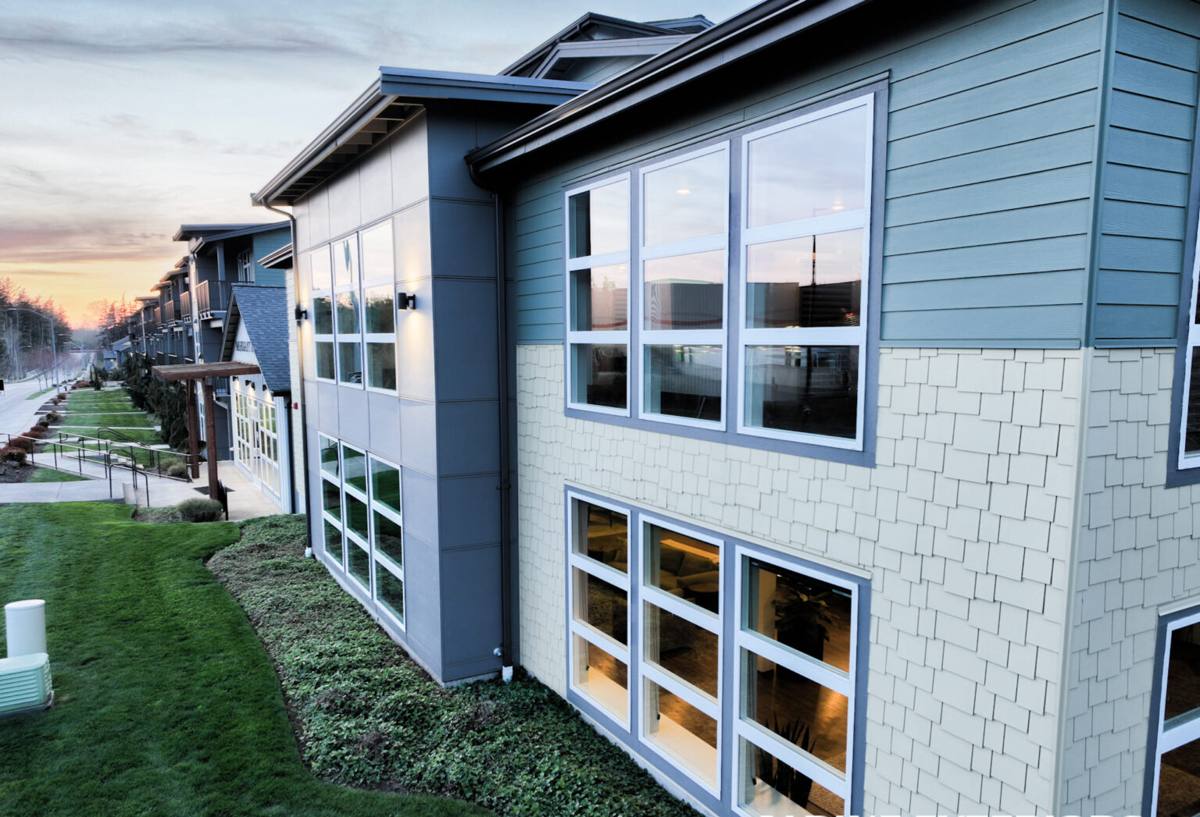
What Barrier Island Exposure Actually Does to a Window
Salt Air
Airborne salt doesn't need a storm to do damage — it's present on clear days too, carried by onshore breeze. Over time it corrodes exposed fasteners, pits lesser-grade aluminum, and breaks down weatherstripping and seals faster than the same materials would wear inland. Homes within the first few blocks of the Gulf see this fastest, but salt drift travels further than most homeowners expect on a flat barrier island with nothing to block the wind.
Year-Round UV
Florida sun is intense in every season, and a home with southern or western Gulf-facing glass takes a steady beating. UV breaks down vinyl frames, fades interior finishes near the glass line, and degrades low-quality seals well before their rated lifespan. It's a slow failure — you don't notice it until a window starts fogging between panes or a frame goes brittle.
Wind-Driven Rain
The bigger risk isn't the wind by itself, it's wind-driven rain finding its way through gaps in flashing, sealant, or a poorly seated frame. During tropical storms and hurricane season, rain gets pushed sideways under real pressure. A window can survive the wind load and still let water into the wall cavity if it wasn't installed with the right flashing and sealant details. Most of the water damage we get called out to look at in coastal Manatee County traces back to installation, not the window product itself.
Florida Building Code and What It Means for Holmes Beach
Manatee County's barrier island communities, including Holmes Beach, fall within Florida's Wind-Borne Debris Region under the Florida Building Code. In practical terms, that means new windows and full replacements generally need to either be impact-rated (able to resist debris impact and the wind pressures for the site) or be paired with code-compliant shutters or protective covering. Exact requirements depend on the home's elevation, wind zone, and the scope of the permit, so we pull the specifics for each address before we quote anything — we don't guess on code compliance.
| Approach | What It Involves | Trade-offs |
|---|---|---|
| Impact-rated windows | Laminated glass and reinforced frame rated to resist debris and design wind pressure, installed permanently | Higher upfront cost; no separate shutter routine before every storm; day-to-day UV and noise benefits |
| Standard glass + shutters | Non-impact windows protected by code-approved shutters or panels installed before a storm | Lower window cost; requires storm prep time and storage for panels; no UV/noise benefit on a normal day |
Both approaches can meet code when engineered and installed correctly. We'll walk through which one fits your home, your budget, and how much storm-prep effort you want to deal with each season.
Choosing Frame Material and Glass for a Gulf-Facing Home
Not every custom window job on Holmes Beach needs the same spec. A ground-level cottage two blocks off the beach and an elevated home directly on the Gulf front don't have identical needs, even though they're both technically "coastal."
| Frame Material | How It Handles Salt Air & UV | Best Fit |
|---|---|---|
| Marine-grade or coated aluminum | Strong, corrosion-resistant when properly finished; needs quality hardware to avoid pitting | Larger openings, high-wind zones, direct Gulf exposure |
| Impact-rated vinyl | Won't corrode, but lower-grade vinyl can degrade under sustained UV | Inland-facing rooms or homes set back from direct salt spray |
| Fiberglass composite | Very stable in heat and salt, holds paint and finish well over time | Homeowners wanting long-term low maintenance on exposed elevations |
We steer away from lower-grade builder-basic vinyl on direct waterfront exposures — not because vinyl is a bad product broadly, but because thinner extrusions and lower-spec hardware don't hold up well under this specific combination of heat, UV, and salt. On a home a few streets back with less direct exposure, a well-made vinyl impact window is often the right call and the better value.
Glass Packages
Laminated impact glass is the baseline for most Holmes Beach replacements, but the interlayer and coating options matter too. A low-E coating cuts down on heat gain from that western Gulf sun, which shows up directly in cooling costs on a home with a lot of glass facing the water. We'll talk through tint, coating, and impact rating together rather than treating them as separate decisions, since they affect each other.
What a Correct Installation Actually Involves
The window itself is only part of the job. Most of the long-term performance — leak resistance, wind performance, how long the seals last — comes down to how the opening is prepped and how the window is set into it.
- Removing the old window down to the structural opening and inspecting the framing and sill for rot, corrosion, or prior water intrusion
- Repairing or replacing any compromised framing before the new window goes in — never installing over a bad substrate
- Installing proper flashing tape and a sloped sill pan so any water that does get past the window drains back out, not into the wall
- Using marine-grade or corrosion-resistant fasteners rated for coastal use
- Applying sealant correctly at the exterior joint — enough to seal, without trapping moisture that needs to escape
- Confirming the window is shimmed level, plumb, and square before final fastening, since a racked frame stresses hardware and seals prematurely
- Verifying the finished installation meets the wind pressure rating required for that specific address and elevation
Skip any one of these steps and you can end up with a properly rated window that still leaks or underperforms — which is a common source of complaints we hear about work done elsewhere in the county.
Our Process for a Holmes Beach Project
We start with an on-site look at the home, not a phone-quote guess. Barrier island homes vary a lot — elevated pilings, older concrete block cottages, additions built at different times — and the right window spec depends on what we actually find at the opening. From there we pull the applicable wind pressure and code requirements for that address, walk you through frame and glass options with honest trade-offs, and give you a written scope before any work starts. Once material is ordered and on site, most standard custom window replacements move quickly, and we coordinate timing around Gulf weather rather than pushing installation into a system that's rolling through.
We also pull the required permits for the work — that's not optional on impact-rated replacements in this wind zone, and it protects you if the home is ever sold or inspected down the line.
Living With Custom Windows in a Salt-Air Environment
Even a well-installed, well-chosen window benefits from basic upkeep on the island. Rinsing frames and hardware periodically cuts down on salt buildup, especially on homes closer to the water. Checking exterior sealant joints once a year, particularly after a rough storm season, catches small gaps before they become leaks. None of this is heavy maintenance — it's the kind of thing that takes a home's windows from a 15-year headache to a 25-plus-year investment.
Why Local Experience on Anna Maria Island Matters
A contractor who mostly works inland Bradenton or Sarasota subdivisions doesn't run into barrier island conditions often enough to have a real feel for them — the specific wind exposure, the older housing stock, the permitting quirks that come with elevated and legacy structures on Holmes Beach. Crews who work this area regularly know which flashing details actually hold up here, which frame materials are worth the extra cost on a direct Gulf exposure, and how the county's wind-borne debris requirements apply to a given address and elevation. That familiarity shows up in fewer callbacks and windows that perform the way they're supposed to during the next storm season, not just on the day they're installed.
If you're weighing custom windows for a Holmes Beach home, we're happy to take a look and walk you through the options honestly — no pressure, no pushy upsell. Fill out the form below for a free estimate.