 Bradenton
 Roofing on a Barrier Island Is a Different Job
Anna Maria Island sits out past the mainland, fully exposed to whatever comes off the Gulf. That exposure means the roofs here take a harder, more constant beating than roofs even a few miles inland in Bradenton. Hurricane-force winds during a named storm are the obvious threat, but the slower damage — sun bleaching and drying out shingles, salt air corroding metal fasteners and flashing, and wind-driven rain finding its way under lifted shingle edges during ordinary summer squalls — is what turns a small storm event into a real repair job if it isn't caught early.
We treat storm damage repair on the island as its own category of work, not a smaller version of what we do on the mainland. The materials, the fastening patterns, and the order of operations all need to account for a home that's closer to the water and gets more direct wind and salt exposure than most of Manatee County.
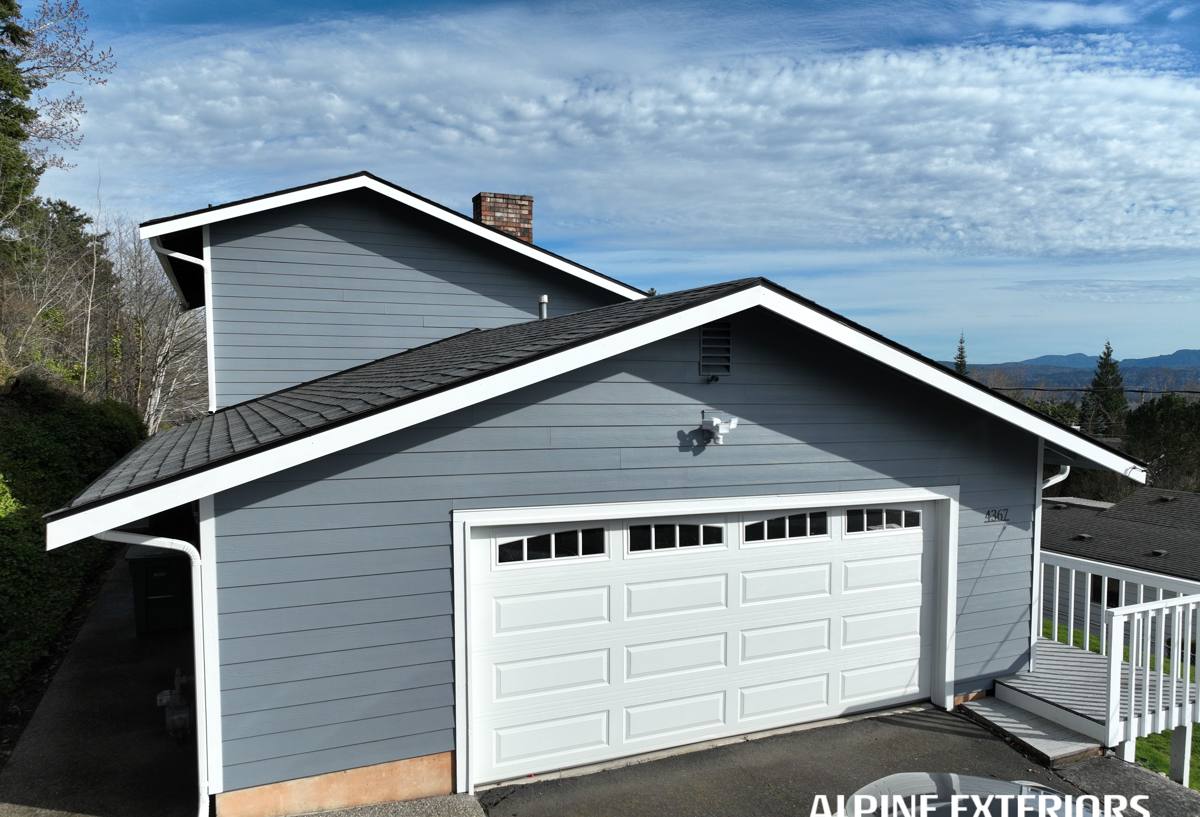
What Storm Damage Actually Looks Like
Most homeowners picture storm damage as missing shingles or a visible hole. That's the easy case. The harder cases are the ones that don't show themselves right away, and on an island roof, those hidden problems tend to progress faster because of the added moisture and salt in the air.
Wind Damage
Wind rarely just rips a roof open. More often it lifts shingle edges and breaks the seal strip underneath without tearing the shingle off completely. The shingle looks fine from the ground, but the waterproofing underneath it is compromised. Repeated wind events loosen fasteners in the decking and ridge caps, and on tile roofs, wind can crack or shift tiles just enough to open a gap without knocking them off the roof.
Water Intrusion
Wind-driven rain during tropical storms and even routine summer thunderstorms gets pushed sideways and upward under roof edges, around vent boots, and through any gap wind has already created. This water doesn't always show up as a ceiling stain right away — it can travel along the decking or trusses before it appears inside, which is why a roof that "looks fine" after a storm can still have real damage underneath.
Salt Air and UV Wear
Even without a named storm, the combination of salt air and intense year-round UV on Anna Maria Island accelerates the aging of roofing materials — brittle sealants, corroded metal flashing and fasteners, and shingles that lose their granule coating faster than the same product would inland. A storm often just finishes off a roof that salt and sun had already weakened.
Our Storm Damage Repair Process
The steps don't change much from job to job, but the order matters — skipping ahead to make cosmetic repairs before the roof is properly inspected is how homeowners end up paying twice.
1. Stop Further Damage First
If a roof has active leaks or exposed decking, the first priority is a tarp or temporary dry-in, not a permanent fix. This is quick, low-cost work meant to buy time so the real repair can be done correctly instead of rushed.
2. Full Inspection, Not Just a Look at the Obvious Spot
We walk the whole roof, not just the area the homeowner points to. A single missing shingle is often a sign that the surrounding field has similar wind damage that hasn't let go yet. We check decking, flashing around penetrations, ridge and hip lines, and gutters and downspouts for debris that can back up water onto the roof edge.
3. Document Before Repairing
Photos and a written scope of the damage are taken before any repair work starts. This protects the homeowner if an insurance claim is filed later — repairs made before documentation often get disputed by adjusters because there's no record of what was actually there.
4. Repair, Then Verify
Once the scope is set, we do the actual repair — replacing damaged shingles or tiles, resealing and re-fastening lifted sections, repairing flashing, and replacing any wet or compromised decking. We don't consider the job finished until we've confirmed there's no remaining path for water to get in.
Insurance Claims: What Actually Helps Your Case
Most storm repair work on the island involves an insurance claim in some form. A few things consistently make claims go smoother, and their absence is the most common reason claims get delayed or reduced.
- Photos or documentation of the roof's condition from before the storm, if you have any (even old listing photos help)
- A written, dated scope of damage from an inspection done soon after the storm — not weeks later
- An itemized repair estimate that separates storm-caused damage from any pre-existing wear
- Records of any temporary mitigation (tarping) done to prevent further loss
We provide documentation in a format adjusters are used to seeing, but we don't handle the claim itself or promise a specific settlement outcome — that's between the homeowner and the insurance company. Our job is to make sure the roof's actual condition is accurately represented.
Repair or Replace: How We Make That Call
Not every storm-damaged roof needs to be replaced, and not every roof that "still has some life left" should just be patched. The right call depends on the roof's age, how much of it was affected, and what's underneath the surface layer.
| Factor | Leans Toward Repair | Leans Toward Replacement |
|---|---|---|
| Roof age | Under 10-12 years | Near or past manufacturer service life |
| Extent of damage | Isolated area or single slope | Spread across multiple slopes or the whole roof |
| Decking condition | Dry, sound wood underneath | Soft, delaminated, or repeatedly wet decking |
| Prior repair history | First significant repair | Third or fourth patch in recent years |
| Material condition elsewhere on roof | Rest of roof still has good granule/seal integrity | Widespread brittleness, cracking, or UV wear |
We'll walk you through where your roof falls on this before recommending either path — it's a judgment call based on the whole roof, not just the storm-damaged section.
Materials That Hold Up to Island Conditions
What goes back onto the roof matters as much as the repair work itself. Standard mainland-grade materials and fasteners age faster this close to the Gulf.
- Corrosion-resistant fasteners rated for coastal/salt exposure, not standard galvanized
- Sealants and flashing materials chosen for UV and salt resistance, not just cost
- Proper underlayment as a secondary water barrier, since wind-driven rain regularly tests roof edges here
- Ventilation checked and corrected where needed — poor attic ventilation accelerates both heat damage and moisture problems
We're upfront that some lower-cost fastener and flashing options simply don't hold up as long in this environment. That's a maintenance and longevity trade-off we'd rather explain honestly than have a homeowner discover the hard way in a few years.
Why Working Anna Maria Island Regularly Matters
Getting a crew and materials onto the island takes more coordination than a mainland Bradenton job — bridge traffic, narrow streets, and limited staging space all affect scheduling. A contractor who works the island regularly already has that logistics figured out, along with the local wind and coastal building requirements that apply here as part of Manatee County's adoption of the Florida Building Code.
Just as important: after a major storm, the island sees an influx of out-of-town roofing crews looking for quick work. Some of it is fine, but a lot of storm-chaser work is rushed, poorly documented, and gone before problems show up. A local crew has a reputation on the island to protect and is still around next hurricane season if something needs a follow-up look.
Reducing Storm Damage Before the Next One Hits
A lot of storm damage is made worse by conditions that existed before the storm arrived. A pre-season check catches the small stuff while it's still cheap to fix.
- Check for lifted, cracked, or missing shingles or tiles, especially near ridges and edges
- Clear gutters and downspouts so water has somewhere to go during heavy rain
- Inspect and reseal flashing around vents, skylights, and chimneys
- Trim back overhanging branches that can drop debris in high wind
- Confirm attic ventilation isn't trapping heat and moisture against the decking
- Have any prior repairs re-checked — patches from a previous storm can loosen over time
If your roof took a hit in a recent storm, or you just want it checked before the next one, we're glad to come take a look. We offer free, no-pressure estimates — use the form below to get one scheduled.