 Bradenton
 Southgate's Siding Has to Handle Real Gulf Coast Weather
Southgate is one of Bradenton's established residential neighborhoods, sitting in Manatee County's stretch of Florida's Gulf Coast, and homes here take on the same climate load as the rest of the region. Hurricane-force wind gusts test every fastener and joint. Intense, near year-round UV bakes painted and coated surfaces. Wind-driven rain doesn't just fall straight down — it gets pushed sideways into wall assemblies during storms. And salt air drifting in off the coast slowly attacks metal fasteners, trim, and anything not built to resist corrosion. Siding in Southgate isn't a cosmetic layer; it's the building's first real defense, and it needs to be chosen and installed with that in mind.
We work on homes across Bradenton and Manatee County, and Southgate's mix of housing ages and construction styles means we see a wide range of existing siding conditions — some holding up fine, some clearly failing years before they should. The pattern we see most often isn't a bad product picked once; it's a product or installation that was never matched to what this climate actually demands.
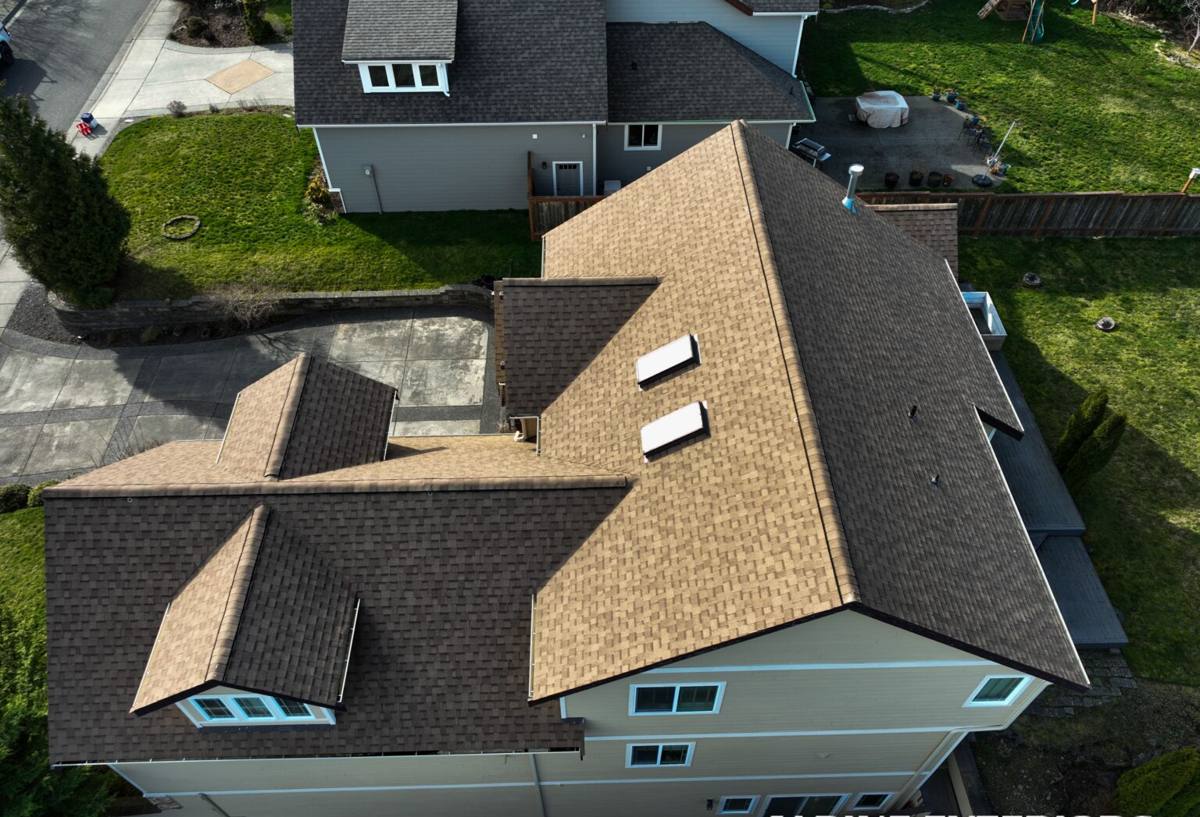
Why We Only Install James Hardie Fiber Cement
We made a decision a while back to stop installing anything other than James Hardie fiber cement siding, and we stand behind that on every job, including Southgate. This isn't about brand loyalty for its own sake — it's about what happens to a wall system over ten, fifteen, twenty years in a coastal Florida climate.
What Fiber Cement Gets Right Here
Fiber cement is non-combustible, which matters in a state where lightning-sparked fires and dry-season brush conditions are a real concern. It doesn't absorb moisture the way wood-based products can, so it resists the swelling, softening, and rot that wind-driven rain causes over time. It holds paint and factory finishes far longer than wood substrates because the material itself is dimensionally stable — it doesn't expand and contract with humidity swings the way wood does.
Why We Ruled Out the Alternatives
Vinyl siding can crack or deform under sustained high heat and UV, and in a wind event it's more prone to being torn off the wall than a properly fastened fiber cement panel. LP SmartSide, primed spruce, and cedar are wood-based products, and wood-based products need their moisture barrier and finish to stay perfect for decades to avoid the swelling and rot that Florida's humidity and rain accelerate. Other fiber cement brands exist, but James Hardie's ColorPlus factory-applied finish, its climate-engineered HZ product lines, and its transferable warranty structure are what we've found consistently reliable enough to put our name behind. We'd rather install one product correctly and stand behind it than offer a menu of options with different failure modes.
James Hardie's HZ5 Line and Why It Fits This Climate
James Hardie engineers its HZ product lines around regional climate zones, and Manatee County falls into the HZ5 zone — the line built for high humidity, heavy rain exposure, and coastal conditions. HZ5 panels are formulated to resist moisture-related damage better than a generic, one-size-fits-all fiber cement product. For a Southgate home sitting a short drive from the Gulf, that distinction is worth understanding before signing a contract, because not every fiber cement installer sources or installs the climate-specific product line.
The ColorPlus finish that comes on Hardie panels is baked on at the factory under controlled conditions, which gives it better UV and fade resistance than a field-applied paint job. In a market where the sun is relentant for most of the year, that finish durability is a real, measurable difference — not a marketing detail.
What a Correct Installation Actually Involves
Fiber cement siding is only as good as its installation. James Hardie publishes detailed installation specifications, and skipping or shortcutting them is the single biggest reason fiber cement siding fails early — not the material itself.
- Proper clearance between the siding's bottom edge and the ground, roofline, decks, and patios to keep splash-back moisture away from the panel edges
- Correct fastener type, spacing, and depth — over-driven or under-driven nails void warranty coverage and create entry points for water
- A continuous, correctly lapped weather-resistive barrier behind the siding, with flashing at every window, door, and penetration
- Properly sized and sealed joints, with the right gap and sealant at butt joints and trim so the panels can move without cracking the finish
- Field-cut edges primed or sealed before installation, since raw cut edges are the most vulnerable point on any fiber cement panel
- Corrosion-resistant fasteners and flashing metals appropriate for coastal salt air exposure
Common Mistakes We See on Re-Roofs and Re-Sides
When we're called out to look at failing siding in the Bradenton area, the issues are almost always installation-related: missing or torn house wrap, panels nailed directly against masonry with no drainage gap, caulk used in place of proper flashing, or clearances that were never respected around lower-level windows and slabs. These are the details that separate a siding job that lasts two decades from one that needs attention in five years.
Our Process for a Southgate Siding Project
We keep the process straightforward and communicate at each stage, because siding replacement disrupts a household and homeowners deserve to know what's happening and when.
Estimate and Inspection
We walk the exterior, check the current siding and the substrate underneath where accessible, and talk through what's driving the replacement — storm damage, age, moisture issues, or simply wanting a durable, low-maintenance exterior.
Product and Color Selection
We go over the relevant Hardie product line, panel profile, and ColorPlus color options, and explain the trade-offs of each so the decision is informed rather than rushed.
Preparation and Installation
Existing siding comes off, the substrate gets inspected and repaired where needed, a new weather-resistive barrier goes on correctly lapped, and panels go up to Hardie's written specifications — not shortcuts driven by a faster schedule.
Final Walkthrough
We walk the finished job with the homeowner, check caulking, trim, and clearances, and make sure everything matches what was agreed to before we call it done.
What Drives the Cost of a Fiber Cement Siding Project
Every Southgate home is different, so we don't quote sight unseen, but these are the factors that move a project's cost up or down:
| Cost Factor | Why It Matters |
|---|---|
| Home size and wall complexity | More square footage, corners, and roof lines mean more material and labor |
| Substrate condition | Rotted sheathing or water damage found during tear-off requires repair before new siding goes on |
| Panel profile and trim detail | Lap siding, shingle-style panels, and trim boards each carry different material and labor costs |
| Story height and access | Second-story and hard-to-access walls take more time and equipment |
| Existing siding removal | Tear-off and disposal of old material adds labor beyond a straightforward install |
Broad ranges vary widely based on these factors, which is exactly why we walk the home before giving a number instead of quoting off a phone call.
Living With Fiber Cement Siding in Bradenton's Climate
Once it's installed correctly, fiber cement siding is genuinely low-maintenance, but "low-maintenance" doesn't mean "no maintenance" in this climate. Salt air can accelerate corrosion on unprotected metal trim and fasteners over the years, so it's worth an occasional visual check of flashing and hardware. UV exposure is why the factory ColorPlus finish matters so much — it's built to hold color and resist chalking far longer than a field-applied paint job would in this much sun. A rinse to clear salt residue and debris, along with keeping gutters and downspouts clear so water sheds away from the walls, is most of what a Southgate homeowner needs to do to keep the siding performing for decades.
Why Hiring a Crew That Already Works Southgate Matters
A siding contractor who regularly works in this part of Bradenton already understands Manatee County's permitting expectations, the wind-load and moisture realities that come with being this close to the Gulf, and the kind of housing stock common to established neighborhoods like Southgate. That familiarity shows up in fewer surprises during tear-off, fewer permitting delays, and an installation crew that isn't learning coastal Florida's quirks on your project. It also means a company that's around locally when a warranty question comes up years down the road, rather than a crew that passed through once for a storm-chasing job.
What to Ask Before Hiring a Siding Contractor in Southgate
- Are you a certified James Hardie installer, and do you install to their written specifications?
- Which Hardie product line and panel profile do you recommend for my home, and why?
- What's your process for handling substrate damage found during tear-off?
- Do you pull the required Manatee County/City of Bradenton permits yourself?
- Can I see your approach to flashing, clearances, and fastening in writing before work starts?
- What does the manufacturer's warranty cover, and is it transferable if I sell the home?
If your Southgate home needs new siding — or you're not sure whether what's on the walls now is holding up the way it should — we're happy to take a look. Reach out for a free, no-pressure estimate, and we'll give you an honest read on what your home actually needs.